
Rising temperatures, rising risks: How climate change is driving weather extremes
A growing body of scientific evidence links climate change to an uptick in extreme weather events around the globe. From prolonged heatwaves to devastating floods and wildfires, patterns once considered unusual are becoming disturbingly routine.
Heatwaves Break Records Across Continents
According to research cited by the Associated Press, over 4 billion people globally experienced at least one additional month of extreme heat over the past year due to human-driven climate change. In Europe, the summer of 2024 saw temperatures surpass previous records, causing significant public health challenges.
The UK, in particular, recorded nearly 3,000 excess deaths during its 2022 heatwave—attributed largely to sustained high temperatures, based on data from the UK Health Security Agency and Office for National Statistics.
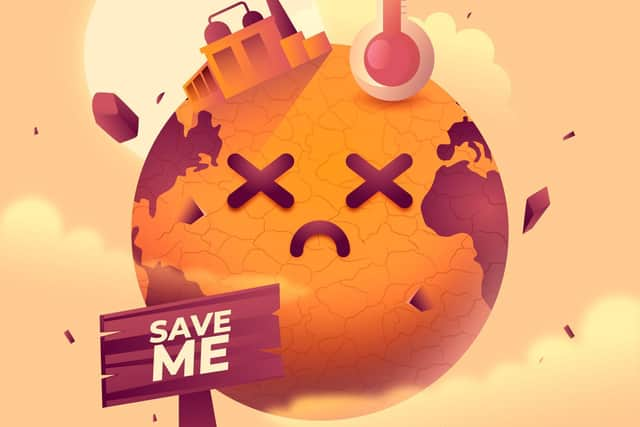

Extreme heat events are no longer anomalies. The European Environment Agency states that such occurrences are increasing in frequency and severity, aligning with the broader trend of global temperature rise reported by the Intergovernmental Panel on Climate Change (IPCC).
Droughts Paralyse Water Supplies and Agriculture
The IPCC has warned that climate change is disrupting rainfall patterns. In East Africa, multiple failed rainy seasons between 2020 and 2022 led to the worst drought in four decades. According to the UN Office for the Coordination of Humanitarian Affairs, over a million people were displaced in Somalia as a result.
South America’s Amazon basin, another climate-sensitive region, experienced extreme drought in 2023. Studies from climate monitoring organisations suggest that increased global temperatures are intensifying evaporation rates, leaving the soil dry and exacerbating water shortages.
Wildfires Fuel a Vicious Cycle
Heat and dryness form the conditions that often precede wildfire outbreaks. Canada's 2023 wildfire season was the most extensive in its recorded history, with millions of hectares burned. These fires, as reported by the Canadian Interagency Forest Fire Centre, not only affected local air quality and ecosystems but also released large volumes of carbon dioxide—contributing further to climate change.
In the United States, California continues to battle seasonal wildfires, especially in the Los Angeles region, where years of drought, rising temperatures, and dry vegetation have created a tinderbox. The 2022 and 2023 seasons saw thousands of acres burned and repeated mass evacuations. Researchers have increasingly tied these events to the warming climate and shifts in precipitation patterns.
Southern Europe has also witnessed worsening wildfire seasons. Greece and Turkey faced major blazes in 2023, prompting large-scale evacuations. The European Forest Fire Information System links the scale of these events to unusually dry and hot weather, consistent with long-term climate trends.
Flooding in a Warmer World
At the opposite end of the spectrum, regions like South Asia are seeing record-breaking rainfall and glacial melt. Pakistan’s 2022 floods—described by the World Bank as one of the worst natural disasters in the country's history—affected around 33 million people. Scientists attribute the scale of these floods to both heavier monsoon rains and accelerated glacier melting in the Himalayas.
In Europe, recent glacial collapses have also raised concerns. In June 2025, the Swiss village of Blatten was hit by a sudden glacier break-off. While investigations are ongoing, early assessments from local authorities suggest unusually high temperatures played a contributing role.
Scientific Consensus and Future Outlook
The scientific consensus is clear: rising greenhouse gas emissions are heating the atmosphere, altering precipitation cycles, and increasing the likelihood of severe weather. A study by the World Weather Attribution initiative found that many of the recent extreme events would have been "extremely unlikely" without human-induced climate change.
However, the future is not fixed. Experts emphasize the importance of mitigation and adaptation. Reducing carbon emissions, investing in resilient infrastructure, and improving early warning systems are key actions outlined in the IPCC’s Sixth Assessment Report.
No Room for Complacency
While the intensity of individual weather events can vary, the underlying trend is consistent. Global temperatures are rising, and the natural systems we depend on are responding in complex, and often dangerous, ways. Governments, businesses, and communities are urged to take proactive steps to limit future risk.
This article draws on publicly available data from reputable sources including government agencies, international research groups, and peer-reviewed scientific studies. Readers are encouraged to consult the full reports referenced herein for more detailed information.