
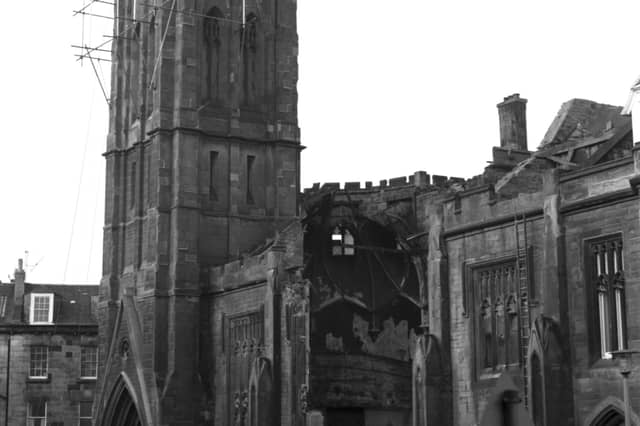

At least six church buildings in Edinburgh are currently facing closure as part of a massive shake-up by the Church of Scotland across the country in response to a shortage of ministers, dwindling numbers and financial pressures. But closures, mergers and even demolition of buildings is nothing new.
In common with the rest of Scotland, Edinburgh has long had a surfeit of church buildings – due, in large part, to the Disruption of 1843, when around 450 evangelical ministers walked out of the Church of Scotland and formed the Free Church of Scotland in protest at state intrusion on church affairs. The Free Church then built hundreds of new churches for the breakaway congregations. The reunion in 1929 and the more recent decline in attendances has left the church with too many buildings and not enough people.
Here are just some of the Edinburgh church buildings, each with their own history and their place in the community, which have been lost over the decades – closed, demolished, sold, repurposed or even destroyed by fire.
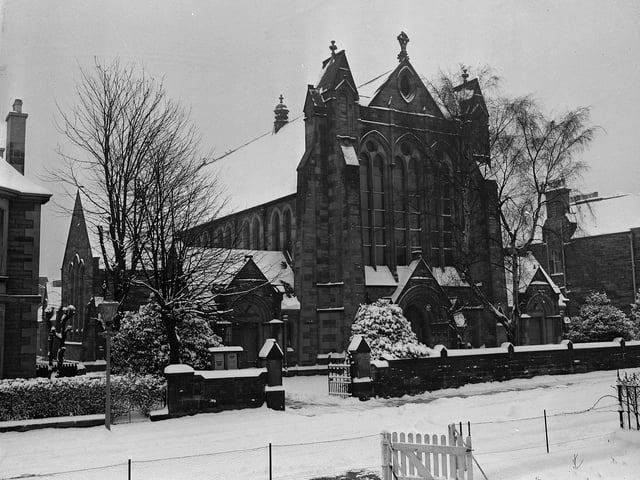
5. Fountainhall Road Church
Fountainhall Road Church had its origins in a congregation formed in 1828, which bought a 2000-seat Episcopal chapel in Cowgate, but found it was too big and sold it on to the Catholic church in 1856 - it is now St Patrick's RC Church. Instead they took a building in Infirmary Street, but later sold it and built a new church in Fountainhall Road in 1897. The congregation united with North Mayfield Church in 1958 to become Mayfield Parish Church. The Fountainhall Road building was demolished and Newington library was built on the site. Photo: Unknown
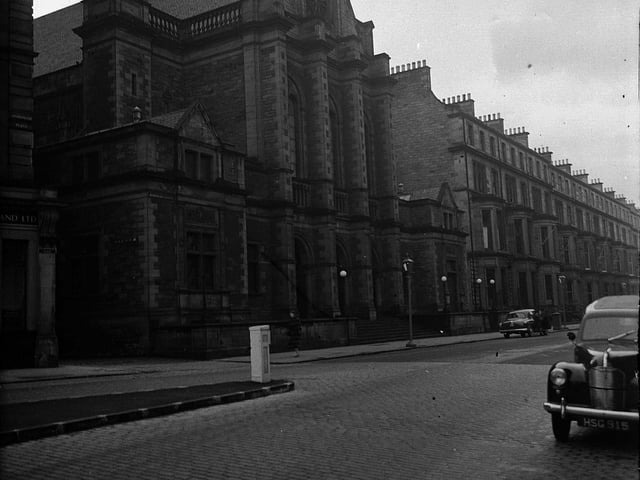
6. St Andrew's Church, Drumsheugh Gardens
St Andrew's Free Church was formed in 1843 when John Bruce, the minister of St Andrew's in George Street and about 300 of his congregation left the Established Church at the Disruption. They set up a church on the back green at 80 George Street but the building was described as "a box-like edifice, airless and depressing" so in 1886 they moved to a new building in Drumsheugh Gardens. In 1900, with the union of the Free Church and the United Presbyterians, the church became St Andrew's United Free Church and in 1929, following the reunion with the Church of Scotland it was renamed Edinburgh St Andrew's Drumsheugh, Church of Scotland. The congregation united with Clermiston church in 1955 to become St Andrew's Clermiston and the Drumsheugh building was demolished 1957. The site is now occupied by a multi-storey office building. Photo: Unknown
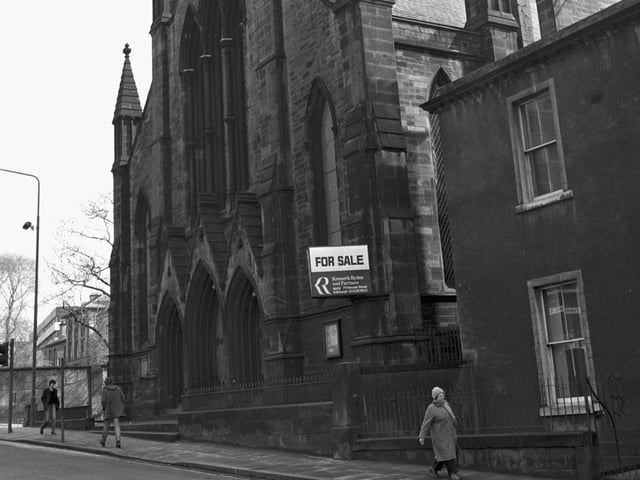
7. Chalmers-Lauriston Church, Lauriston Place
This church building in Lauriston Place was opened in May 1859 for a congregation which traced its origins back to a split in another Edinburgh congregation in around 1789. The new building had galleries on three sides and could seat 1200. Then in 1958 the Lauriston Church merged with Chalmers Church, which was at the corner of West Port and Lady Lawson Street, to form Chalmers-Lauriston Church. The united congregation was based in Lauriston Place and the Chalmers building was demolished. Then in 1980, Chalmers-Lauriston merged with Barclay-Bruntsfield Church and became known as Barclay Church at Bruntsfield Place, next to the Meadows. The Lauriston Place building later became the Dar Al-Arqam mosque. Chalmers-Lauriston church in Lauriston Place has a For Sale sign outside. Photo: George Smith
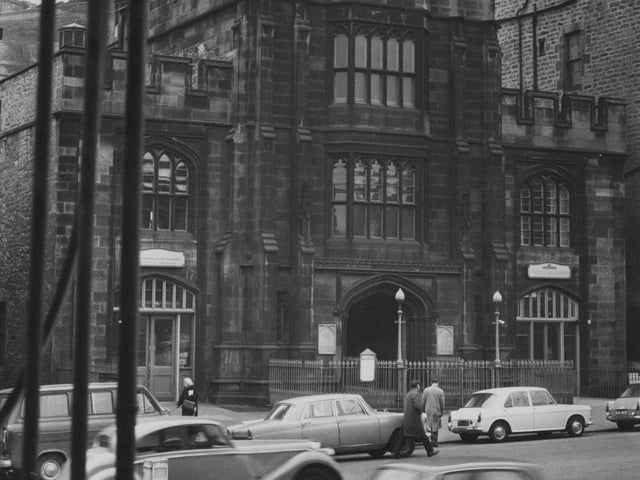
8. Hillside Church, Greenside Place
Originally known as Lady Glenorchy's Church, the building in Greenside Place - its frontage today incorporated into the Glasshouse Hotel - was the second home of the congregation founded and financed by this wealthy evangelical benefactor eager to spread the gospel among the poor. The first church had to be demolished to make way for Waverley station. The new building was opened in 1846 with a congregation numbering 750. It was renamed Hillside in 1956 when Lady Glenorchy's congregation merged with that of Barony & St James Place in nearby Albany Street. Then in 1978 Hillside merged with the larger Greenside Church in Royal Terrace and left Lady Glenorchy's building. The old church saw a number of uses, including a carpet warehouse, until in 1986 permission was granted to develop the site, on condition the façade was retained. Building work finally began in 2000 and the Glasshouse Hotel, with the church facade intact, opened in 2003. Hillside Church, Greenside Place, Edinburgh in 1967 Photo: Unknown