
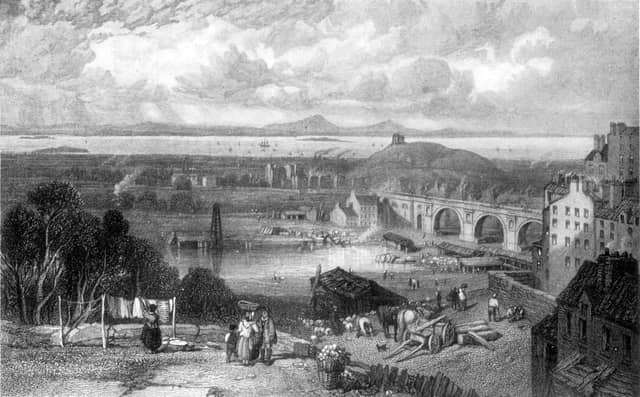

Tens of millions of years of intense volcanic activity followed by several thousand years of glacial erosion in the Lothians carved out a dramatic and picturesque landscape.
These prehistoric peaks and troughs are the very features which lend the city its unique allure. But for every hill in Scotland’s capital - and there are several - there was a loch.
Some of the city’s famous lost lochs include the Nor’ Loch, Canonmills Loch and the Burgh Loch. Others, such as Duddingston Loch and Lochend Loch, survive, but have been greatly reduced in size.
Had all these ancient lochs survived, perhaps it would have been Venice - not Athens - that Edinburgh found her closest civic companion.
For those keen to learn more about Edinburgh’s lost lochs, check out ‘The Nor’ Loch: Scotland’s Lost Loch’ by Malcolm Fife.
A message from the Editor:
Thank you for reading this article. We're more reliant on your support than ever as the shift in consumer habits brought about by coronavirus impacts our advertisers.
If you haven't already, please consider supporting our trusted, fact-checked journalism by taking out a digital subscription at https://www.edinburghnews.scotsman.com/subscriptions.
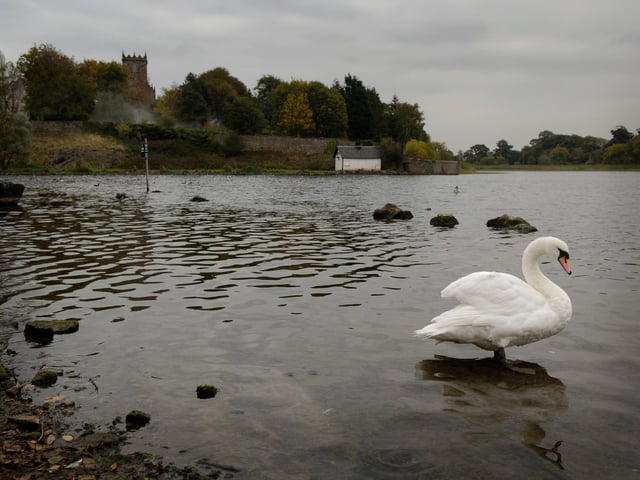
5. Duddingston Loch
Though not technically lost, in prehistoric times, Duddingston Loch is thought to have been at least ten times larger than it is today, stretching as far south as Cameron Toll and the eastern foot of Blackford Hill. Photo: ROB MCDOUGALL
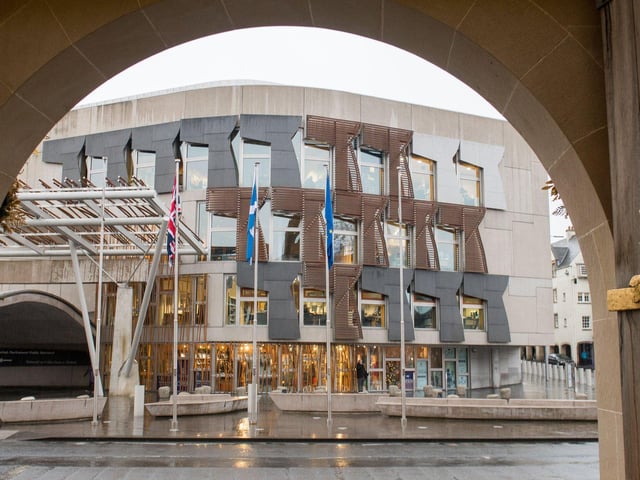
6. Holyrood Loch
Whether intended or not, the artificial ponds located outside today's Scottish Parliament hint at Holyrood's prehistoric past. Study of sediments during a dig in the 1990s revealed there had once been a natural body of water in the area. Photo: Ian Georgeson
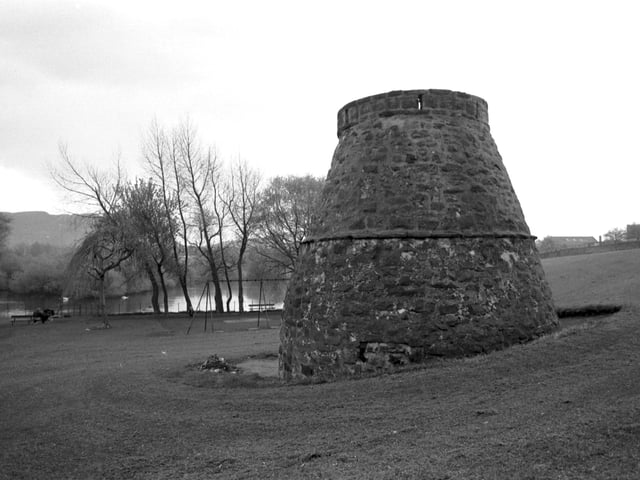
7. Lochend Loch
Another loch that has shrunk considerably in recent centuries is Lochend Loch. Once supplying the town of Leith with drinking water, the loch was originally in the grounds of Lochend Castle. Remains of an ancient crannog were discovered in the loch in 1931. Photo: Stan Warburton
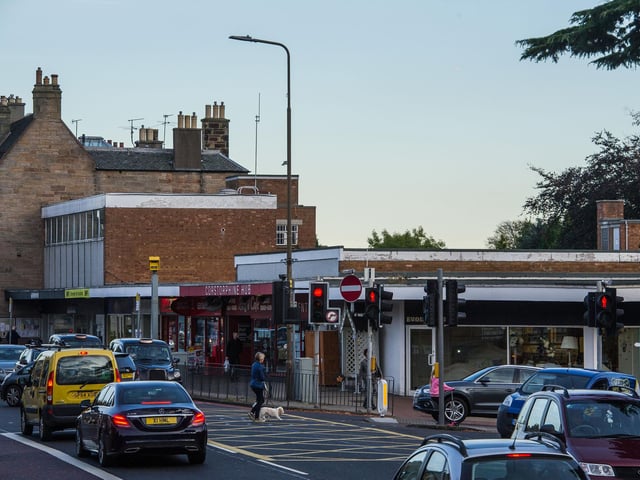
8. Corstorphine Loch
The former village of Corstorphine was once situated between two bodies of water: the now-drained Corstorphine Loch and Gogar Loch. Corstorphine Loch was by far the biggest of the two and fed into the Water of Leith. Photo: Freelance Photographer Steven Sc