
11 Edinburgh projects to receive up to £1 million in long-term funding for community-led change on poverty, racism and climate
Groups will receive long-term, unrestricted funding
A pioneering fund today announced long-term awards to help tackle poverty, racism and climate change across Edinburgh.
Eleven groups and organisations will get funding support over the next 10 years from the £15 million Edinburgh Regenerative Futures Fund, created with contributions from trusts, philanthropists and the city council.
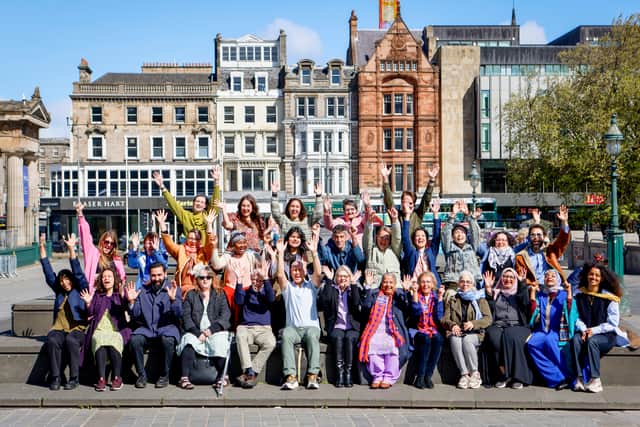

For groups which often depend on uncertain financial support, having to apply afresh every year, the Fund says the initiative offers rare long-term, unrestricted funding designed to enable deep and lasting change in communities.
And the decision on which groups will receive the funding was made by a Residents’ Panel made up of local people with direct experience of poverty and racism.
The projects supported include ones building financial security and tackling stigma around poverty within Edinburgh’s Sikh community, supporting paid opportunities for Black creatives to address structural barriers in the arts sector, and co-designing local food and medicine production and distribution.
Other awards span a range of organisations and partnerships across the city, delivering initiatives such as advocating for improved local housing conditions, supporting community-led climate focussed activities initially within the Sudanese community, and engaging local communities around the development of heat network implementation.
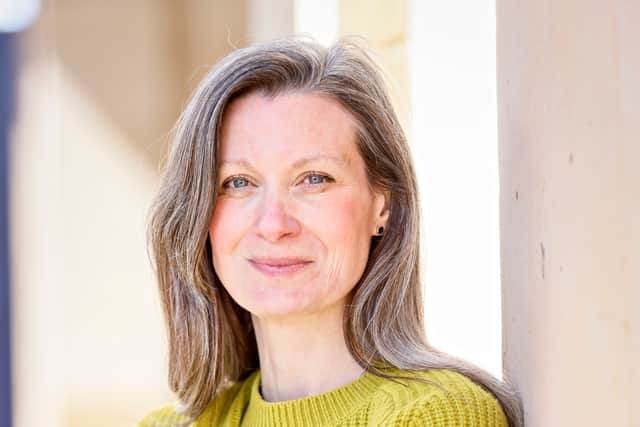
The Fund was the brainchild of Leah Black, former chief executive of WHALE Arts in Wester Hailes. She said: “The Regenerative Futures Fund represents a real shift in how funding can be transformational when communities are placed at the centre.
“We are deeply grateful to all involved, and to the Residents’ Panel whose time and insight shaped every stage of this journey.
“In the wealthiest city in Scotland, where 17 per cent of people – including 21 per cent of all children – live in relative poverty, we are operating in a complex environment. Poverty, racism and climate change are interconnected, real and present challenges for us all, and tackling them requires long-term commitment, trust and collective action.”
And Aala Ross, co-head of the Fund, said: “This is a landmark moment for Edinburgh. These organisations will receive long-term, unrestricted funding to support the work they are already leading in their communities. This has been a long, collaborative process shaped by months of dialogue and reflection across the city.

“This Fund is about trust, and about recognising that communities already hold the knowledge needed to create change. We will continue working alongside them and learning from them over the years ahead.”
Council leader Jane Meagher said: “We’ve been clear in setting ambitious targets to address poverty, reach net zero by 2030 and to tackle racist rhetoric in Edinburgh. This significant support will help us to move closer to our goals while backing grassroots projects and organisations which are already make a real difference across the city, selected by the people who live here.”
The projects, which will each receive up to £1 million over the 10 years, include:
Transition Edinburgh South + Edinburgh Community Food, rebuilding sustainable local food systems with a new community-led farm at Little France Park near the Royal Infirmary;
Networking Key Services (NKS), working with South Asian communities to challenge stigma around poverty and create pathways into sustainable employment and good lives through skills-building, confidence and peer support;
Be United, creating paid pathways into the creative industries for Black and People of Colour (BPOC) creatives through practical training, mentoring and paid placements;
Scottish BPOC Writers Network, creating spaces to safely “tell our own unfiltered stories and develop our artistic practices” and embed a cultural legacy of fair paid work, peer mentorship, power-sharing and inclusive communities;
Lauriston Farm Collective, collaborating with North Edinburgh residents to build a diverse community of landworkers who produce and distribute food and herbs in ways that meet community needs;
Cables Wynd House Residents Group with Making Rights Real, supporting and empowering tenants in Leith’s Cables Wynd House and other Edinburgh council housing to use human rights monitoring to improve housing conditions and strengthen collective power to drive lasting housing systems change;
Living Rent Edinburgh. empowering tenants to organise locally and fight to improve their home, neighbourhoods and quality of life, focussing on building new neighbourhood branches in three low-income areas of Edinburgh;
Porty Community Energy, engaging and empowering local communities in Portobello and Craigmillar around the development of heat networks, with a focus on people experiencing poverty; developing fair, not-for-profit community-owned heating of buildings that reduces fuel poverty and supports a just transition to greener heating;
Sudanese Community in Edinburgh with Edinburgh Science Foundation, shifting from institution-led climate engagement to community-led climate knowledge, working initially with Sudanese community in Edinburgh;
Migrant Justice Edinburgh, building a network of migrant organising groups across Edinburgh’s diverse and economically disadvantaged communities to identify shared challenges, co-design solutions, and lead collective action through neighbourhood action plans and city-wide campaigns.
Sikh Sanjog, building community-led support systems for Sikh and wider South Asian communities and beyond.
The Fund is supported by a coalition of national and local funders, including charitable foundations, local authority and philanthropic partners, who pooled resources but stepped back from decision-making to place control within communities.
They include the Esmée Fairbairn Foundation, The National Lottery Community Fund Scotland, The Robertson Trust, Turn2us Edinburgh Trust, Foundation Scotland, who also host the Fund, philanthropist Tom Ward and other anonymous local philanthropists.
Giles Ruck, chief executive of Foundation Scotland, said the Fund was putting trust in communities and giving organisations the time and flexibility they needed to address complex challenges. “This Fund offers a powerful alternative to short-term thinking and could influence place-based funding far beyond Edinburgh.”