
Edinburgh Council pays out £150,000 in public liability claims in just two years

More than 2,100 public liability claims were lodged for injuries and property damage since 2024
Edinburgh council has paid out nearly £150,000 in compensation for public liability claims since the start of 2024, new figures have revealed.
Data obtained through a Freedom of Information (FOI) request by law firm Slater and Gordon shows the local authority handled 2,109 claims between January 1, 2024, and March 2026.
Over the 25-month period, a total of £146,385 was awarded to claimants. This included settlements for 369 personal injury cases and 1,740 claims relating to property damage.
As reported by Deadline News, the law firm has uncovered insights into local public liability claims, aiming to raise awareness that councils could be at fault when injuries occur in public premises.
Slater and Gordon say that it is important for individuals who may have been affected by council negligence to explore their options and establish if they may be entitled to compensation.
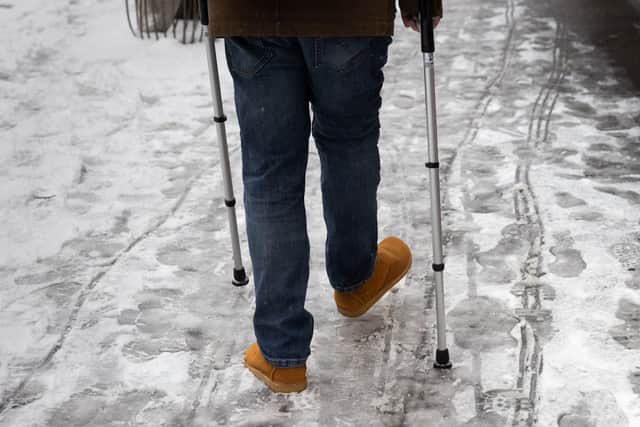

Public liability injury claims can include surface defects, such as on pavements or road surfaces, premises defects and defective equipment that resulted in injury.
Stuart Cochran, principal lawyer and head of personal injury Scotland, added: “It is the duty of all councils to prioritise the safety of the public amongst the public buildings and spaces they manage.
“However, as we have seen through our work as public liability solicitors, where unfortunate incidents happen.
“Sometimes, standards may miss the mark, and this can result in someone being injured whether through a trip, fall or an avoidable hazard.
“In these situations, it is important that affected individuals receive the support they need, and compensation can have a vital role towards helping with recovery.
“Remember, these incidents can happen to anyone. So, it is important to know your rights and what suitable steps you can take if experience injury in a public setting.”
The law firm adds that for many people, there appears to be a lack of knowledge and understanding over who is at fault when such incidents occur in public places, from tripping over uneven pavements, to falling objects and obstructions.
In a major survey conducted by Quittance in 2024, it found that 9.5 per cent of claimants thought they were at least partly liable for their injuries.
However, even if a claimant believes they are partly at fault, the claim can still be valid. Such lack of awareness and understanding could mean that people are missing out on support and compensation, despite being entitled to claim for it.