
Four new Edinburgh buildings considered 'at risk' by UK heritage watchdog

Former Odeon cinema on Clerk Street is one of half a dozen of the Capital’s buildings under threat
Four Edinburgh buildings – including two former cinemas – have been added to the SAVE Britain’s Heritage ‘at risk’ building register, taking the total number of the Capital’s buildings on the list to six.
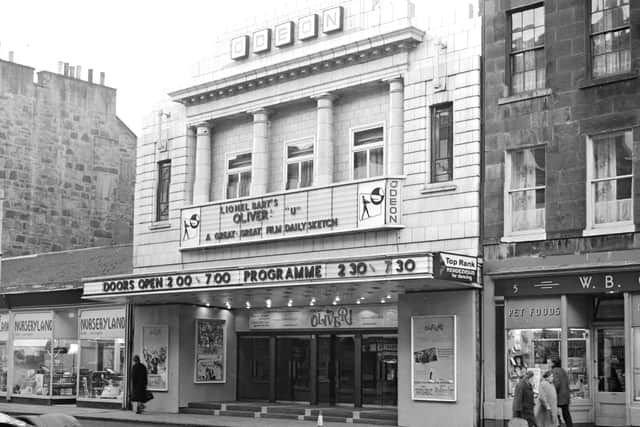
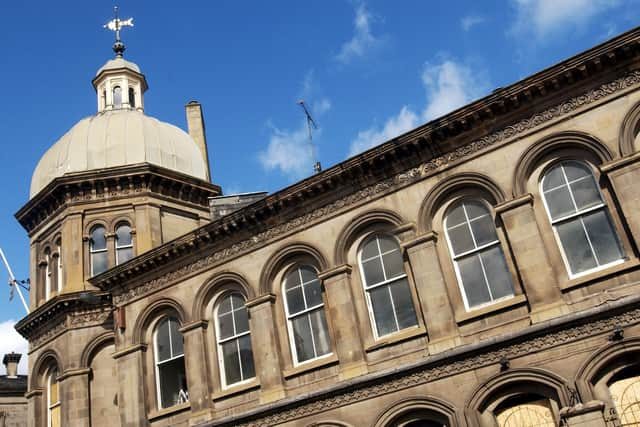
The buildings, which were nominated by members of the public, conservation professionals and local authorities – come from across the city. In Leith, the former Corn Exchange and 15 Duke Street have both been added to the register. Also added to the register are the former Odeon on Clerk Street and the former County Cinema in Portobello – two examples of Art Deco architecture.
SAVE’s heritage engagement manager Amy Popham who is in charge of the volunteer effort that powers the BaR, said: “As the record number of nominations we’ve received this year demonstrate, these buildings are held in huge affection by the people whose lives they enhance. They believe these buildings are worth fighting for and so do we.
“By highlighting these terrific local landmarks we hope people will come forward with creative ideas for their future. Buildings like these are what make our towns and villages unique and reusing them is a great starting place for breathing new life into entire communities.”

James Garry, assistant director at the Cockburn Association, said the organisation welcomed SAVE’s move to highlight the buildings.
“Each has its own story, yet together they speak to a wider challenge in Edinburgh: how we value and bring back into use our historic buildings before neglect takes hold,” he added.
Mr Garry said early, positive intervention and collaboration between owners, communities, developers and public bodies has “the potential to deliver far better results than waiting until decline narrows the options.”
He continued: “Historic buildings are not obstacles to Edinburgh’s progress; they are assets that can support vibrant communities, distinctive places and sustainable regeneration.
“We hope that entry on to the SAVE register prompts renewed, practical discussion about workable futures for these sites. The strength of community feeling around several of them is clear, and that public goodwill should be harnessed to help secure solutions that respect their significance while meeting contemporary needs.
Despite the additional buildings being added to the register, SAVE also highlighted success stories across the city. The B-listed Granton Railway Station has been transformed into a “vibrant creative workspace” – whilst the Jenners building is currently being restored after it was devastated by fire.
Mr Garry said: “At the Cockburn Association we have long campaigned for the careful conservation and creative reuse of Edinburgh’s built heritage. We also increasingly stress the environmental imperative. The greenest building is almost always the one that already stands. Retaining and adapting historic structures preserves embodied carbon, reduces waste, and avoids the high emissions of demolition and new build. Sensitive retrofit therefore serves both heritage and the city’s net zero goals.”
Nationally, Scotland saw the total number of buildings across the country more than double on the 2026 list – with 42 new buildings registered as ‘at risk’.
SAVE’s conservation officer Lydia Franklin said there are ongoing threats to Scotland’s historic buildings.
She said: “Scotland’s architectural legacy as a place with a rich and diverse range of historic buildings – and as the birthplace of world-famous architects like Charles Rennie Mackintosh and Robert Adam – is one which deserves fierce protection and thoughtful adaption to modern needs.
“Yet threats to Scotland's built environment persist – from emergency works that risk flattening more than necessary, to the slower but just as deadly issues of neglect and decay.”