
After last year’s 8 per cent council tax rise, there was pressure to keep this year’s increase down. And in seeking to do so, the council was helped by the prospect of revenue from the new tourist tax or Visitor Levy, which comes into effect in July - the first in the UK.
Because of the Labour administration’s minority position, it always has to win the support of at least two other groups to get its budget passed. The negotiations which secured the backing of the Liberal Democrat and Tory groups led to some significant commitments as part of this year’s package.
Council leader Jane Meagher said: “I’m proud that we’ve once again delivered a balanced budget that focuses on meeting the needs of Edinburgh’s residents. It is a budget that reinforces our commitment to tackling poverty, prioritising prevention and protecting frontline services for those most in need of our support.
“This ambitious budget clearly demonstrates the strength of listening to our communities and working across party lines to do what’s best for the residents of Edinburgh.”
Here are some of the key elements of the council’s budget for the coming year.
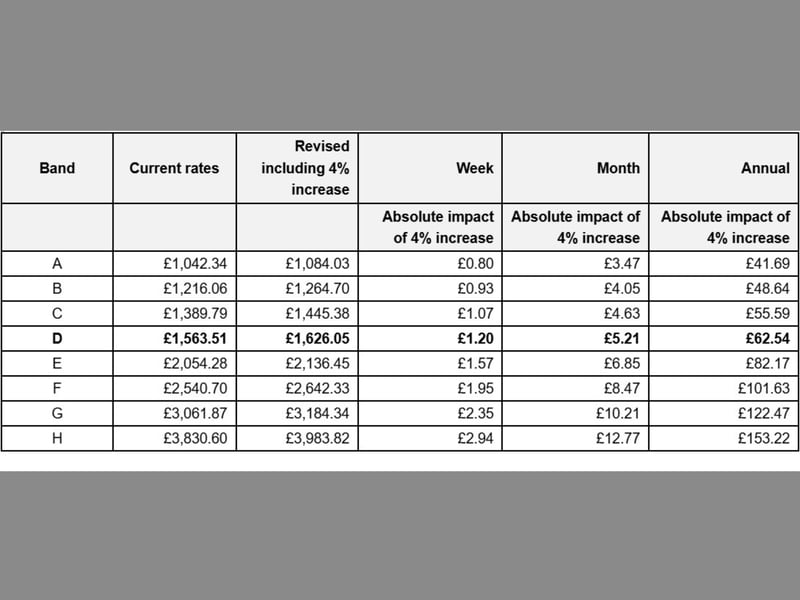
1. Council tax increase
Edinburgh's council tax rise for 2026/27 looks likely to be the lowest in Scotland. The budget was drawn up on the assumption of a 5 per cent rise, but the administration's negotiations with the Tories led to the increase being limited to just 4 per cent. It will mean an extra £62.54 on the annual bill for a Band D property and £153.22 for a top Band H property. | Edinburgh council
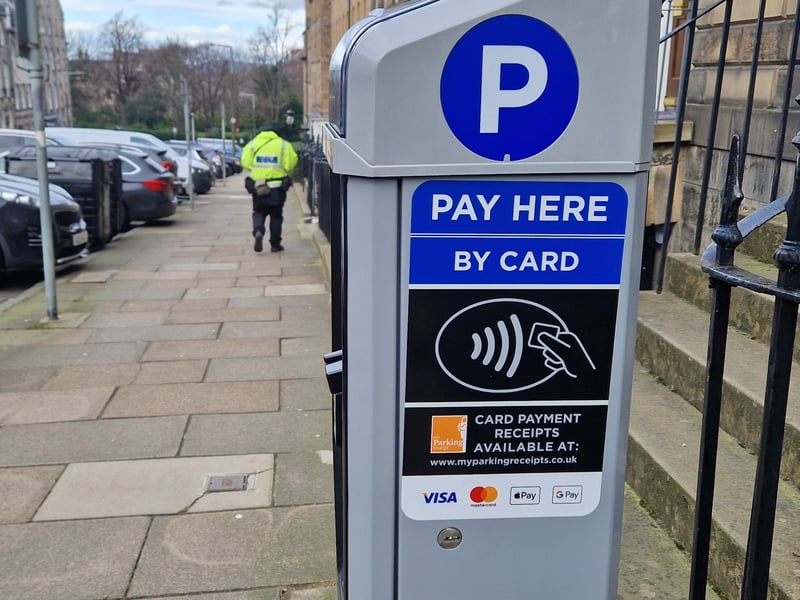
2. Pay and display parking charges
Pay and display parking charges are to be frozen for a year as part of the budget after the minority Labour administration accepted the Conservatives' proposal to scrap a planned 10 per cent increase in return for their support. | TSPL
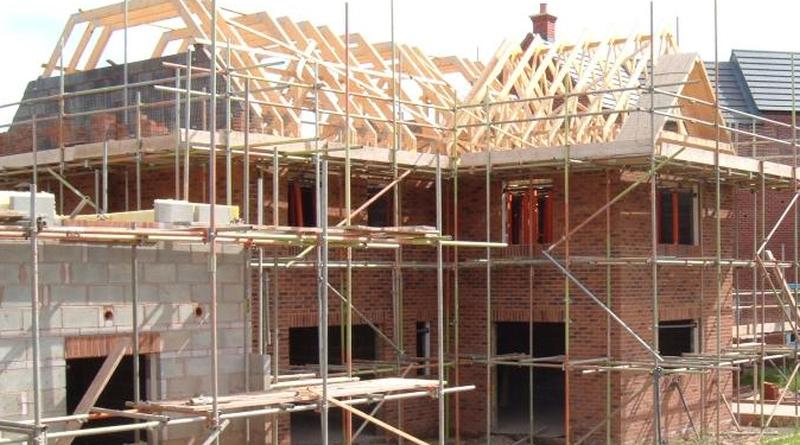
3. Housing and homelessness
Edinburgh's housing emergency has prompted an extra £1.6 billion investment by the council in affordable homes and temporary accommodation. It says this will provide around 2,500 homes for temporary accommodation, and funding to unlock around 1,100 settled homes at affordable rents, on top of separate investment in up to around 2,300 additional settled homes. The council say the money will help end the use of unsuitable temporary accommodation, reduce reliance on expensive private rented accommodation, and assist the council to meet its statutory homelessness duties.
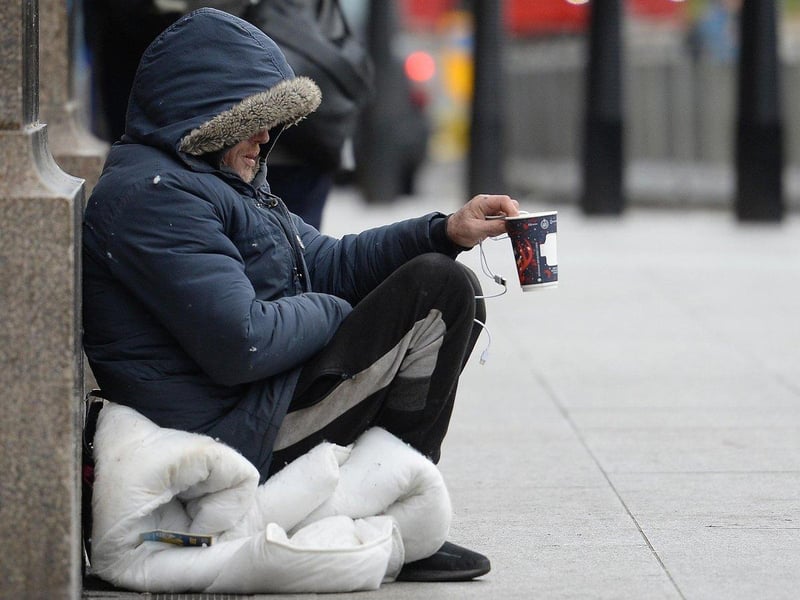
4. Homelessness
There is also a further £3 million for homelessness prevention, including additional staffing to work directly with those at risk of homelessness and creation of a grants budget to bring empty homes back into use as part of the Private Sector Leasing scheme. | Iconic Media Group