
Edinburgh five-storey hotel extension approved to add 52 new rooms in Crewe Toll

Plans for an Edinburgh five-storey hotel extension have been approved by the council, to add 52 new rooms in Crewe Toll.
VUR Village Trading No. 1 Ltd submitted plans in September to extend the existing Village Hotel at 140 Crewe Road South, which were approved on February 13 by the council’s planning department.
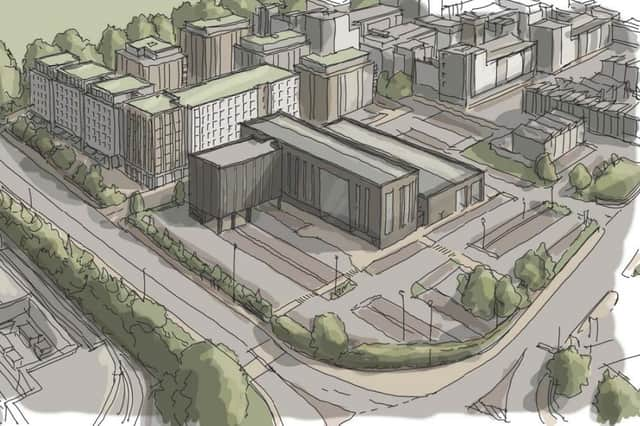
The approved works include the construction of a five-storey extension to the north of the existing hotel building, connected via a new internal link corridor at first floor level and above, as well as an internal reconfiguration of part of the existing hotel to accommodate the link to the new extension.
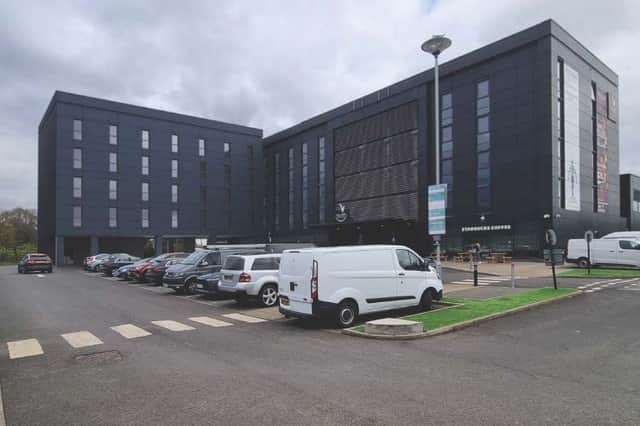

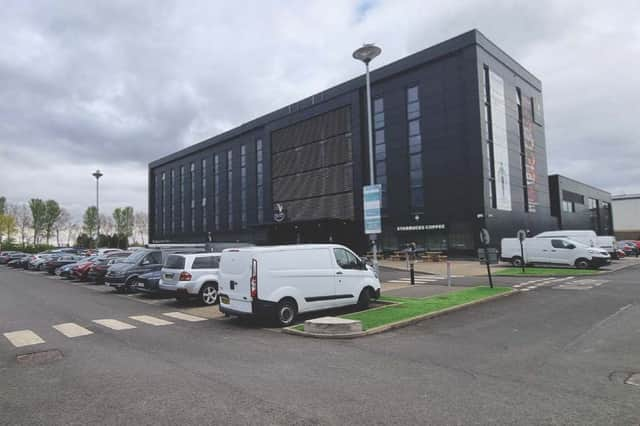
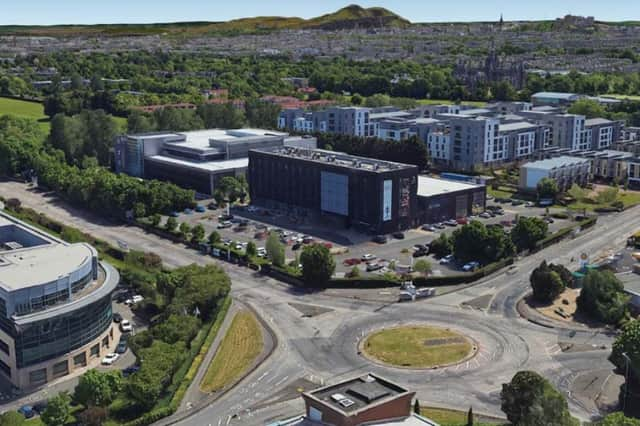
The development sits entirely within the existing hotel site and will be constructed above the existing surface-level car park. There will be a reduction in existing vehicle parking provision by a total of 14 spaces.
The extension will provide 52 additional guest bedrooms. Four existing guest rooms will be lost to accommodate the link corridor, resulting in a net increase of 48 bedrooms to the hotel's overall capacity.
The approved extension takes the form of a single projecting wing, positioned perpendicular to the existing east–west-aligned hotel block. The extension matches the height and architectural style of the existing building.
The ground floor accommodates essential service areas and a pend, which will allow uninterrupted vehicular access and circulation through the existing car park. Guest rooms are located on the upper floors.
The extension adopts a material palette consistent with the existing hotel, featuring black metal cladding panels, articulated with vertical breaks formed by tinted glazing and black spandrel panels. Black brickwork is proposed at the base of the fire escape access core.
In the planning documents, the applicant said: “The proposed development seeks to extend the existing Village Hotel, thereby enhancing the provision of tourist accommodation in the area. The proposed development is supported in principle by both national and local planning policy frameworks.
“The existing Village Hotel supports both leisure and business visitors and includes on-site leisure, wellness, and conference facilities. The proposed extension would build on this established use and further support the city’s economic and tourism objectives by increasing the capacity and functionality of the hotel.
“The proposed extension will result in an uplift to the hotel’s existing supply chain activity, increasing demand for goods and services such as food and beverage supplies, laundry, cleaning, maintenance, and other contracted services.
“This represents a sustainable and appropriate intensification of an existing hotel site, helping to meet Edinburgh’s evolving tourism needs while making efficient use of land within the urban area.
“In overall summary, the proposed extension will deliver a high-quality, sustainable development that enables the Village Hotel to expand and enhance its accommodation offer – supporting continued visitor demand, strengthening local tourism infrastructure, and contributing to Edinburgh’s broader economic and environmental objectives.”
The plans also include alterations to the existing attenuation tank to accommodate the proposed extension, and enhancement of existing on-site landscaping.
Approving the hotel extension, the council's chief planning officer David Givan said: “The proposals do not comply with LDP Policy Env 27 in terms of its landscape design but would still provide additional planting within the site that would have both biodiversity and climate benefit gains which is is an overriding consideration.
“The proposal complies with other policies in the Edinburgh Local Development Plan and National Planning Framework 4. The proposed extension is compatible with the character of the existing building and will not have an adverse impact on neighbouring amenity.
“Conditions relating to landscaping implementation and archeaology is required. There are no material considerations that outweigh this.”
The applicant now has three years to begin work on the new extension, with a further two conditions added to the approval by planners.
The approved landscaping scheme shall be fully implemented within six months of the completion of the development or by first planting season. And, no development shall take place until the applicant has secured the implementation of a programme of archaeological work.
The application received one objection on the council’s online planning portal, which has been kept private.