
Edinburgh mental health crisis centre faces possible closure because of funding cuts
‘Some of Edinburgh’s most vulnerable people risk being left without support they need’
A mental health crisis centre in Edinburgh could be forced to close because of proposed funding cuts, MSPs have been told.
Edinburgh and Lothians East Tory MSP Miles Briggs said Penumbra's Edinburgh Crisis Centre, just off Leith Walk, which provides 24/7, 365-days-a-year help for people experiencing crisis or distress, faced its £540,000 a year funding being withdrawn by Edinburgh Integration Joint Board, which oversees health and social care in the Capital.
He raised the issue at First Minister's Questions in the Scottish Parliament, asking whether the Scottish Government's plans ro reform public services would include "a new funding model for sustainable third sector delivery of vital and often life-saving services".
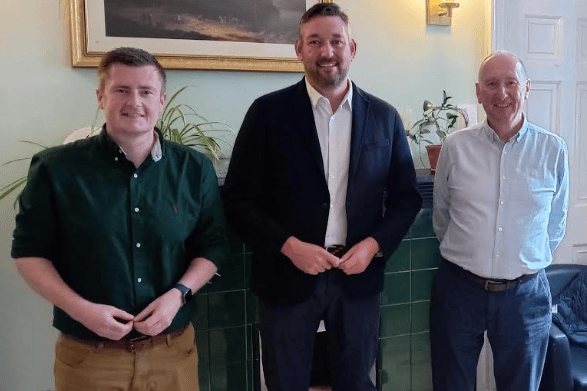

He said he had visited the centre the previous day. And he told the chamber: "Due to proposed cuts, there is growing concern that the service will be significantly reduced or forced to close, which will leave some of the most vulnerable people in Edinburgh without the help and support that they need."
First Minister John Swinney said he sympathised with the point Mr Briggs raised. He said: "He is absolutely right to highlight the importance of the early intervention that such services provide in order to prevent circumstances from escalating.
"In policy terms, Mr Briggs is absolutely correct. The judgment on the matter is for the Edinburgh integration joint board to determine."
Mr Swinney added that in Cabinet that morning, "we spent some time discussing the importance of ensuring that the third sector has an ever-more significant role in the delivery of public services".
And he said: "As we committed to in the programme for government, it is important that the third sector has access to longer-term funding support in order to provide certainty.
"We want our public services to be more populated with third sector organisations of that type, and we want them to have more stable resources at their disposal to sustain their services."
Penumbra, a national mental health charity which runs several services in Edinburgh, has negotiated changes to its operations in return for an extension of funding until March 2027, but the future after that remains uncertain.
Shaun Macaulay-Davidson, head of programmes at Penumbra Mental Health, said: “The disconnect between national government and the reality in health and social care partnership’s delivery is frightening. Penumbra Mental Health’s fear is for those vulnerable people desperately needing our services.
“We understand the significant funding pressures, but people experiencing distress and crisis must remain at the heart of decisions about the services they rely on.”
He said Penumbra had worked with Edinburgh health and social care partnership to introduce a new integrated model within the Edinburgh Crisis Centre, bringing together three distinct services, which together had supported 1,432 people last year.
“This will mean a ‘no wrong door’ approach so people can access the right support wherever they first seek help. The model will reduce overall capacity, and funding is only currently secure until the end of March. Managing this carefully and ensuring those who need support most can continue to access it will be critical. Out of hours crisis support is still available.”
Mr Macaulay-Davidson said in addition to the Edinburgh Crisis Centre, Penumbra delivered a further seven services in the Capital which were all subject to insecure funding patterns. “Short term funding makes it even harder for the health and social care sector to recruit and retain staff, which can impact service delivery.
“We will continue working with Edinburgh and our partners to ensure people experiencing distress and crisis receive the right support when they need it most.”
A spokesperson for Edinburgh health and social care partnership said: “Like other Integration Joint Boards across Scotland, the EIJB faces significant financial pressures. Demand for health and social care services continues to grow, particularly as Edinburgh's population ages, while the funding available to the EIJB has not kept pace with rising need and wider policy commitments.”