
Meet the South Queensferry weaver who created a new tartan for the King
Araminta hopes younger people will pick up the craft
A South Queensferry textile designer is putting Scotland’s landscapes, history and heritage into her work - with every thread carrying a story.
Araminta Birse-Stewart, originally from Aberdeen and founder of Araminta Campbell, creates woven textiles from her Atelier just outside Edinburgh, combining traditional Scottish tweed and tartan with contemporary designs inspired by the Scottish landscape.
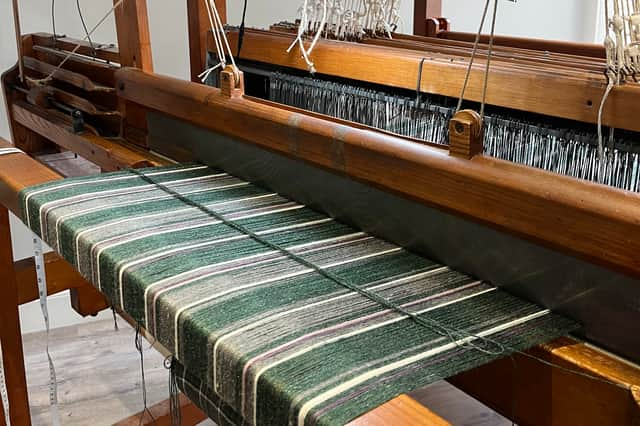

However, for Araminta, weaving is about more than producing something beautiful.
She wants each piece to be “loved and cherished” and believes handmade craftsmanship offers something that mass-produced products cannot.
She said: “I would say everything's different for a starter.
“We’ve got the obvious things. You’ve got the design, you’ve got the incredible craftsmanship here with our handweavers.”
Araminta’s signature collection consists of one-off handwoven pieces made from 100 per cent undyed British alpaca, with the fibres traceable back to the individual animal they came from.
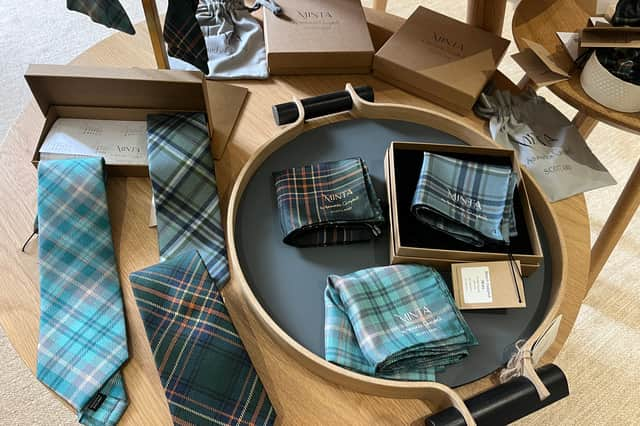
She added that customers can meet the craftsperson who made their piece, see the yarn used and understand the story behind the finished product.
“It’s not just a product you're wearing. It’s a work of art,” she said.
“The time, the care, the hands that have touched it - you see how it is made. You know how it is made.
“You can’t replicate that in a piece that is mass-produced.”
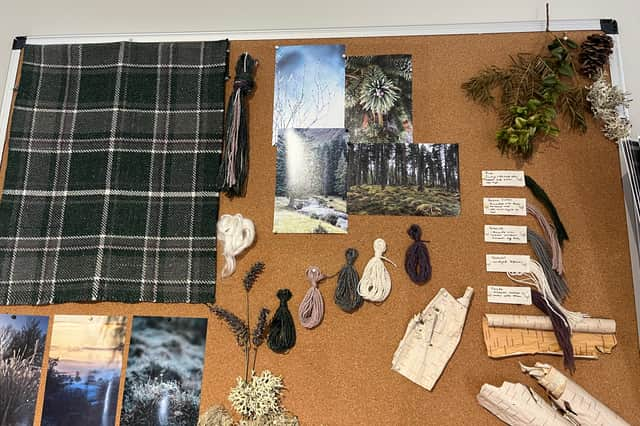
Her approach to textiles is deeply rooted in Scotland, with the landscape providing inspiration for everything from colours and motifs to the stories woven into her tartans.
One of her most recent designs, Garden Bloom, was inspired by the flowers and honeybees in her mothers garden.
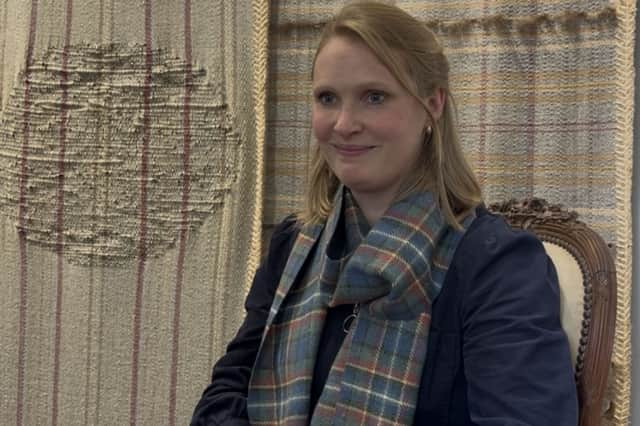
She explained that natural dyes are also central to her work, with colours created from raw materials including onion skins, indigo, madder, comfrey and brambles.
But the process is far from straightforward.
Araminta explained that natural dyes can produce the most unexpected results, with beetroot, for example, creating a pale yellow rather than the deep red many would expect. She also experiments with different temperatures and combinations of natural materials to achieve the precise shades needed for her designs.
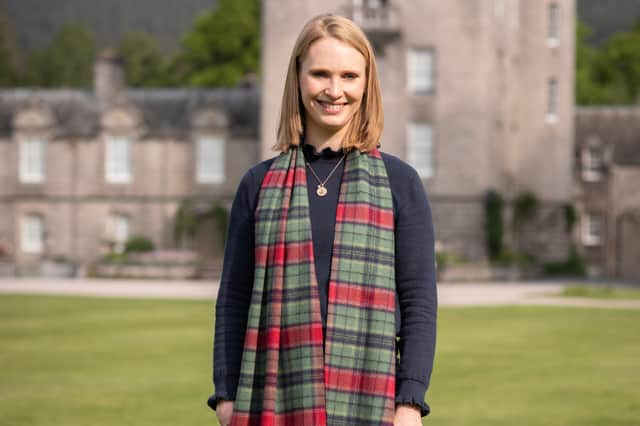
Her work has even taken her to Balmoral Castle, where she was commissioned by His Majesty the King, to design a new tartan for the royal estates retail shop.
Working directly with the King, Araminta created a design based on Stuart Hunting tartan and was inspired by the Balmoral landscape. Precise numbers of yarn were woven into the design to present significant parts of the castle's royal history, including the 172 years it had been owned by the Royal Family at the time of its creation.
For Araminta, preserving Scotland’s textile heritage is about looking both backwards and forwards.
She said: “I want to pay homage and respect to the past whilst also putting my own new stamp on it.”
She is passionate about encouraging younger people into the industry, having launched a pilot educational programme introducing young people to textiles. Araminta believes the problem is not necessarily that young people do not want to enter the industry, but that they simply do not know it exists.

“It is not an industry that we talk about broadly,” she said.
“It’s as much about respecting the past as rebuilding for the future.”
And while cheap mass-produced goods continue to dominate much of modern forms of shopping, Araminta believes there remains an appetite for products with a human story behind them. Her goal is to combine “inclusivity whilst executing things beautifully,” creating pieces that people can understand, connect with and keep forever.