
2025 Budget: Speculation, kite-flying and trailing runs amok
No budget can have seen so much advance speculation, kite-flying and trailing.
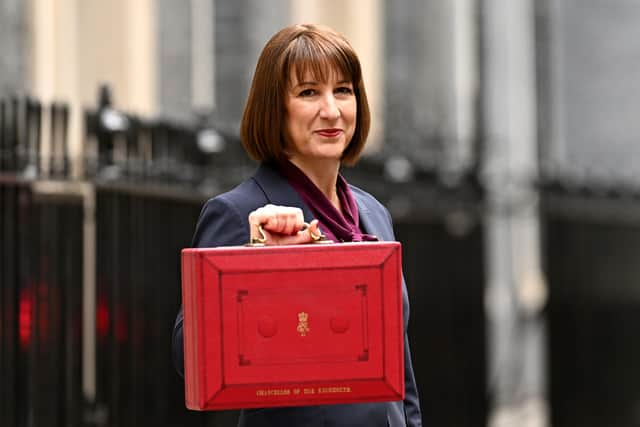
The financial package which Rachel Reeves will unveil on Wednesday has been billed as a "make or break" moment for the government after a difficult first 18 months in power.
And critics are ready to pounce on whatever the Chancellor comes up with.

There have been controversial decisions right from the start of Labour's time in office - the ending of winter fuel payments for most pensioners; the refusal to compensate the Waspi women, now being reviewed; and the welfare reforms, which had to be scaled right back.
This budget too will be full of the ubiquitous "difficult decisions" about what can and should be done. Tax increases are seen as inevitable, though exactly where they will fall remains to be seen.
But Rachel Reeves may also take the opportunity to announce measures which reflect "Labour values" more than some of the early decisions which were not well received within the party.
It sounds like the notorious two-child benefit cap will be removed. Opinion polls suggest a majority of the public actually favours the cap, but experts agree scrapping it is the single best way to lift hundreds of thousands of children out of poverty.
An extra levy on the highest-valued properties has also been floated as a likely move, along with a gambling tax long advocated by Gordon Brown.
And the government has already announced a freeze on rail fares south of the border for the first time in 30 years.
The Chancellor has listed her priorities as cutting NHS waiting lists, reducing the national debt and bringing down the cost of living.
Plans to increase income tax - which would have broken an election pledge - appear to have been dropped after better-than-expected figures on the economy.
But any good news on the big-picture economy has to translate into people feeling their own financial situation is getting better before the government’s popularity is likely to increase - and there's mot much sign of that so far.
A recent survey found nearly 70 per cent of Scots felt general economic conditions had worsened in the past 12 months, almost half said their personal economic circumstances had deteriorated, three in ten said financial stressing was affecting their mental health, and more than seven in 10 expected the economy to worsen over the next year.
Any improvement will almost certainly come too late to help Labour in Scotland in next May’s elections. But Labour will be hoping the Budget will help create a more upbeat mood by the time of the next UK general election.