
Council’s climate strategy is all talk and little action - Iain Whyte
This week’s Policy and Sustainability Committee at the council was, once again, a glaring example of the council’s all fur coat and nae knickers approach with an update on its “ambitious” Climate Strategy 2030.
The climate zealots of the green-left blob were in full flow praising themselves about how committed they were to the modern political religion of Net Zero.

Yet even where substance existed - Edinburgh’s emissions have fallen but are now plateauing – it is down to national changes and not what the council is doing at our expense.
The report boldly states that since 2021 “extensive programmes and infrastructure have been successfully delivered by the council to progress citywide decarbonisation”. But what were these?
The first is an expensive talking shop with the inevitable multiple subgroups. Then there’s the glossy City Plan 2030 – a planning document that is actively stifling the housebuilding we need to solve the council-declared Housing Emergency.
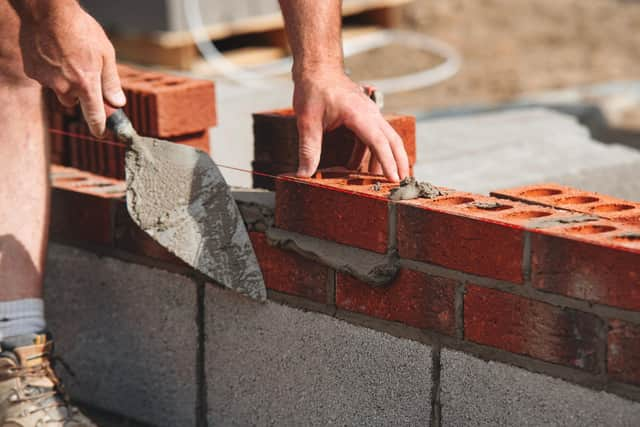
On actual bricks and mortar, the report hails making a start in building 500 new ecofriendly homes but what about the emissions of the over 200,000 homes that already exist? We are apparently solving this by retrofitting our council houses. Except there are only 20,000 of those and only 7 per cent have had the treatment.
When I asked what proportion these actions had contributed to Edinburgh’s emissions reductions since 2018 the officers didn’t even try to answer. Instead, they claimed it was all about encouraging behaviour change. Much harder to measure.
To do this they’ve created a network of ‘local groups’ but that only has 500 of Edinburgh’s half a million people involved. Likely the people already fully bought in to the behaviour change our political masters seek.
The council’s “what next?” is more of the cycle lanes that surveys say the public reject, banning meat in council catering and a fantasy that they can get everyone to give up their gas boiler for something far more expensive by 2030.
The UK leads the world in decarbonisation, mostly down to changes in the national grid under Conservative governments. While necessary, this is a costly and painful transition but 2030 is an impossible target and attempts to get there prohibitively expensive. Especially when the world’s biggest emitters like China continue to increase their pollution.
Yet the rest of the council outright rejected my call to set an extremely challenging but far more realistic target of 2045 for Edinburgh to be Net Zero.