
Crime pays for Rebus creator Ian Rankin but it comes at a price - Susan Dalgety
Listening to Sir Ian Rankin’s interview recently, where he said he had “wasted his life” living in a world of fictional characters, made me really sad.
He explained the impact his hugely successful career had on his family. “I mean, there’s big moments, big beats in my life that I just don’t have any memory of: holidays taken; first days at school for my kids and that sort of stuff because in my head I was somewhere else.”
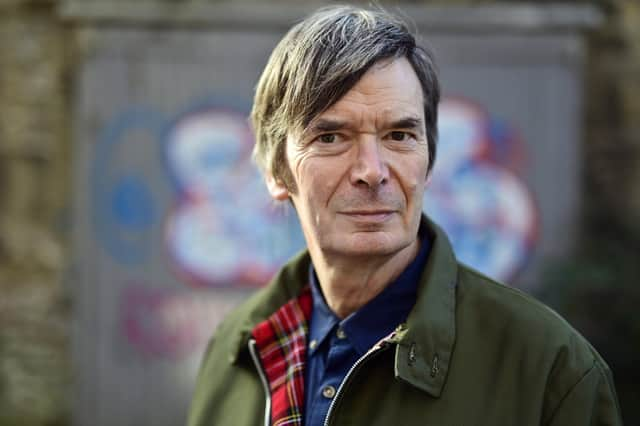

His head was full of John Rebus, of course, of Leonard Street police station, the Oxford Bar and the gangster Morris Gerald Cafferty (Big Ger to his friends and enemies). DI Siobhan Clarke would be there most of the time, and Malcom Fox of course. The cunning Fox even got his own stand-alone series for two books, before being folded back into the world of Rebus.
Like all the best fiction writers, Rankin has created a world which readers can get lost in and it is all the more appealing to those of us who are lucky enough to live in Edinburgh. The city is as an important a character as Rebus.
I buy Rankin’s books the day they are published and have usually read them by the next morning. My good friend Frank, who sadly died recently, and I used to race each other to see who could finish the new Rebus first. We then spent hours on WhatsApp dissecting the latest plot twists and turns and ranking the book in our top ten of his work.
And his appeal is widespread. In a recent visit to a friend in the south west of France, I spotted a whole shelf of Rankin novels in the second hand book store she helps run. “People love him,” she said.
But the price any artist has to pay for success, whether a novelist, painter or musician, is that their work dominates their life. Ian Rankin could not have created such an unforgettable cast of characters if he had not spent so much time thinking about them and their world.
He says he is now contemplating taking it easy and doing a lot more travelling with his wife, Miranda. They both deserve to live their best life, but please, Sir Ian, don’t stop writing.