
Culture isn’t a luxury – it helps solve our most complex challenges - Kara Christine
If you walked down your local high street, asking people about their public service priorities, they would probably cite the NHS, education and our care sector among their most pressing concerns.
Arts and culture may not be front of mind. They are often viewed as a luxury; something to be enjoyed once basic needs are met. But when we look at creativity differently, as a way of solving complex problems, its true value in supporting public services becomes clear.

At Artlink Edinburgh and Lothians, we work across education, health and social care. We see the impact of creative activity: it is a uniting and connective force for positive change in the most complex of social circumstance.
Neurodiverse young people – or those awaiting diagnostic assessments, educational support, or experiencing anxiety – often fall through the cracks of our education system, resulting in non-attendance at school. Creative interventions can deliver simple and affordable results without full systemic change.
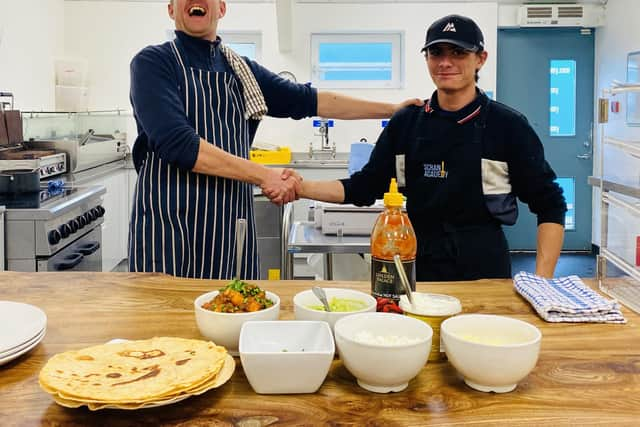
We work with primary and secondary pupils in these circumstances, tapping into their interests ranging from astronomy to music composition; from cooking to drone flying. We work with artists and practitioners who support them to tap into their own creative responses and reignite an interest in learning and belonging. These responsive interventions have improved school attendance, attainment, boosted self- confidence, improved mental wellbeing, all while strengthening identity and community connection.
This work is transformative for the individuals and critical to enabling these young people to live productive lives, contributing to our society and economy.
We also work with artists and creative practitioners who specialise in sensory practices and support people with profound and multiple learning disabilities (PMLD) through our Midlothian Health and Social Care Partnership. Working closely with care staff, artists support individuals with complex intellectual disabilities to develop new forms of communication and expression.
Creative work of this nature has significant impact on the everyday lives of individuals and their families. It creates shared learning, offers new perspectives, and builds positive relationships. Most importantly, it creates possibilities when some have lost hope, and values people who are often overlooked in our society – demonstrating that art and culture are tools of democracy and equality, not elitist luxuries.
Through seeing the profound impact of projects like these, I can speak with confidence about the untapped potential for culture and creativity to deliver more impact in our society. The culture sector has creative solutions to the complex problems we face.
This is why we at Artlink Edinburgh and Lothians are supporting Culture Counts’ call for a Culture Act to be introduced in the next Scottish Parliamentary term. Cultural and creative organisations improve our health, care, education and more, but we are lacking the statutory framework that supports cross-sector collaboration, improves cultural planning, strengthens local decision-making, and overcomes barriers to access and participation in culture and more.
We know public services are under pressure, and difficult decisions must be made to balance budgets. But this is exactly why we need to think differently. Investing in creativity doesn’t add pressure to the system; it helps relieve it, making public services resilient, improving working conditions, and ultimately contributing to a stronger economy.
Kara Christine, CEO of Artlink Edinburgh and Lothians