
Future of our festivals at risk in an increasingly unaffordable city - Lorna Slater
There is something magical about Edinburgh in August. You can turn a corner and find a comedian performing to a handful of people, stumble across a theatre production you have never heard of or see an artist taking their first steps towards a career they have dreamed about for years.
That sense of possibility is what makes the Fringe so special.
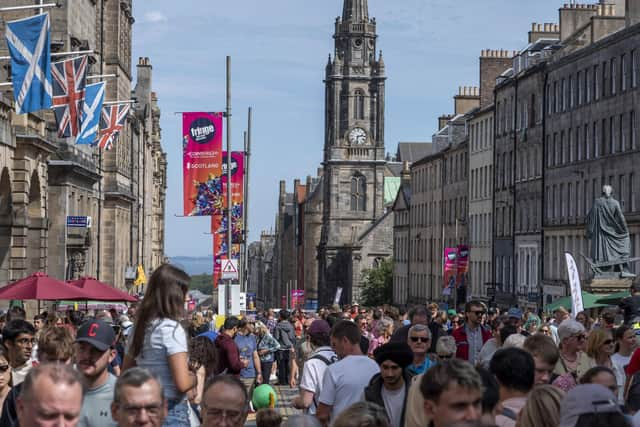

It is why I have always loved the festival, and why I believe Edinburgh should be immenselyproud of the role it plays in the cultural life of Scotland and the world.
But this year, I have found myself asking a difficult question: who can still afford to take part?
The Fringe was built on the idea that anyone with something to say could come to Edinburgh and say it. It has given a platform to performers who would never have been given a chance elsewhere. It has launched careers, challenged audiences and brought extraordinary creativity into our city. Yet now more than ever, putting on a show here is a huge financial gamble.
Artists face venue costs, production expenses, travel, publicity and, perhaps most painfully, the cost of finding somewhere to sleep in Edinburgh during the busiest weeks of the year.
Accommodation is one of the biggest barriers facing performers, with prices during August placing enormous pressure on artists who are often already funding their own productions.
Many of the flats that put up today’s stars when they were starting out 20 and 30 years ago are now short term lets, hosting tourists for two and three days at a time.
For some, the financial risk is simply too great. That matters because the Fringe is at its best when it is unpredictable. When a young performer, a new theatre company or an artist from a community that is rarely represented on our biggest stages can take a chance and find an audience.
If participation becomes something primarily available to those with savings, wealthy backers or established careers, we risk losing the very thing that made the Fringe famous.
This is not an argument against the success of the festival. Quite the opposite. But success should not mean becoming inaccessible.
There is a wider question here about the city itself. Edinburgh has become extraordinarily expensive to live in, and that affects artists just as it affects nurses, hospitality workers, teachers, cleaners, shop workers and young people trying to build a life here.
We cannot separate the future of our festivals from the future of our city. That means taking seriously the cost of accommodation, the availability of affordable housing and the pressures created by an economy which becomes intensely busy for several weeks every summer.
We should be asking how the benefits of our festivals can be used to support the people and communities who make them possible.
The new visitor levy provides an opportunity to do exactly that. If visitors are contributing to the city through a small charge on overnight stays, some of that benefit should help protect the cultural ecosystem that brings people here in the first place.
We should also be looking at affordable accommodation for performers, better public transport to nearby towns and cities, support for emerging artists and ways to make participation less financially risky.
The Fringe has always belonged to Edinburgh, but it has also belonged to everyone brave enough to put their name on a poster and step onto a stage.