
Heatwave is wake-up call for action on climate emergency
On Saturday I sat at Glasgow Queen Street station listening to an interesting announcement over the tannoy system – trains will be running late as they are being “speed-restricted” due to overheated tracks.
This wasn’t a massive inconvenience to me, but it did remind me how fragile our infrastructure is and can be in the face of climate and nature emergencies. We know that climate change is no longer a background concern, it is the biggest issue facing our generation.
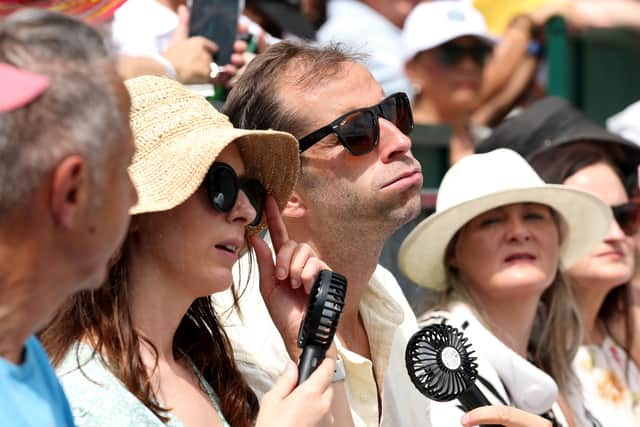

Saturday was the hottest day in Scotland for two years, with temperatures of 32°C reported in the Highlands according to the BBC. The Scottish Environment Protection Agency (SEPA) also reported that the first half of 2025 has been the driest in the east of Scotland since 1973.
As I write this article I am looking out at rain and dark clouds, a complete contrast to the summer vibes we had at the weekend. It is estimated that these random downpours are putting a strain on local water systems and highlight our need for stronger mitigation measures. You might say that these weather patterns are synonymous with Scotland, but the extremes of the temperature and the effect on infrastructure is directly linked to the climate crisis.
Our buildings and infrastructure are not built for Mediterranean style heat – and people are suffering too. Older people, young children, babies and expectant mothers can become very ill with dehydration or heatstroke, and those with underlying health problems are more susceptible to long term illness from heat. Farmers across the country have also warned that water shortages and reduced crop yields are putting a threat to jobs, exports and food security. They are calling for real climate action to sustain their livelihoods and support communities that will be hardest hit by extreme weather.
We are in a climate emergency, and we need to start acting like it, so that future generations don’t look back and ask why Scotland abandoned them. People are already losing their homes and livelihoods to climate breakdown – it will only get worse, and fast, unless we act now. We need our governments, both Scottish and UK, to invest in climate action. Solutions are in front of them; we can switch to clean heat to warm our homes, invest in public transport to reduce cars on our roads, and support rural communities to cut emissions from land use and farming. Setting targets has failed us. It has allowed governments at all levels to maintain the illusion of action without taking the serious decisions needed.
It shouldn’t take so much courage to stand up for science and evidence but it does in the face of rampant and hostile climate denial. I hope that governments everywhere see this summer’s heatwave as a wake-up call that there is no time to waste.
Lorna Slater is co-leader, Scottish Green Party