
Heatwaves and wildfires show it’s time to act on climate change - Lorna Slater
Talking about the weather must be our expert topic when it comes to small talk in this country. Rain, shine, snow and wind; we often see all four seasons in a single day.
A long spell of sunshine is something to celebrate and a scorching summer used to be a pleasant surprise. But something has changed.
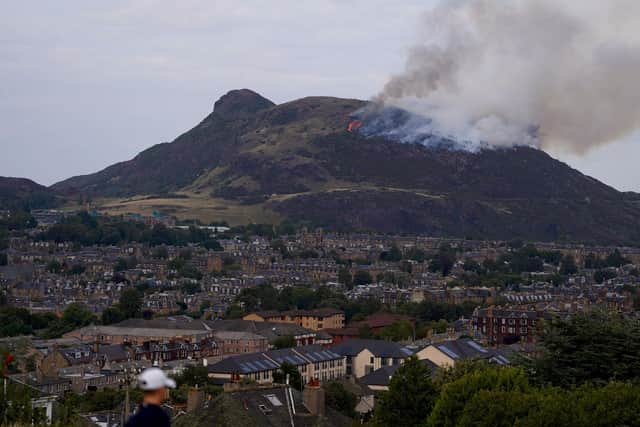

The heatwaves we are now experiencing are no longer rare events, they are becoming regular, more intense and more dangerous. What was once exceptional is becoming normal and that should concern every one of us.
Recent analysis by Imperial College London found that thousands of people could have died across the UK this year as a direct result of heatwaves, with researchers concluding that a significant proportion of those deaths would not have happened without human-caused climate change.
These are not just statistics. They are grandparents, neighbours and friends whose lives have been cut short by extreme heat.
We have seen wildfires on our hillsides, rivers running dangerously low, beaches affected by pollution after heavy rainfall, crops struggling through prolonged dry spells and infrastructure buckling under temperatures it was never designed to withstand. Heat is now a genuine public health risk.
Older people, young children and those with underlying health conditions are particularly vulnerable. Hospitals come under greater pressure, workers face unsafe conditions and our homes - specifically designed to retain warmth through winter - become uncomfortably hot during prolonged periods of high temperatures.
Climate change is making these events more likely and more severe. The science on that is overwhelming. The question is no longer whether climate change is happening, it is whether we are prepared to respond to it.
That means continuing to reduce the emissions that are driving global warming by investing in renewable energy, improving public transport and making our homes more energy efficient.
Every bit of carbon pollution we avoid today reduces the risks our children will face tomorrow. But it also means adapting to the climate we already have.
We need more trees and green spaces in our towns and cities to provide shade and cool our streets. New homes should be designed to cope with hotter summers as well as colder winters.
Public buildings, schools and care homes must be equipped to keep people safe during periods of extreme heat. Emergency services and local authorities need the resources to prepare for weather that is becoming increasingly unpredictable.
Some will dismiss hot weather as simply ‘a nice summer’. That ignores the reality facing thousands of families. Heatwaves are now among the deadliest weather events we experience, even if their impact is less dramatic than storms or floods.
The climate crisis is no longer a warning about the future. It is here, shaping the summers we experience today.
These heatwaves are no longer isolated events, they are becoming a regular occurrence and we pay an ever-growing price in lives, livelihoods and damaged communities.
We must recognise them for what they are, another unmistakable signal that the time to act on climate change is now.