
Looks like it could be a done deal on energy-hungry big data site
Along with the announcements of multi-billion-pound investments in artificial intelligence by the American tech giants which accompanied President Trump’s state visit, there has been an avalanche of publicity arguing why big data centres are vital for our economic future.
I don’t doubt for a minute that it’s true, but that shouldn’t mean the rights of local people affected by these vast developments can be ignored, as if it’s like wartime requisitioning.
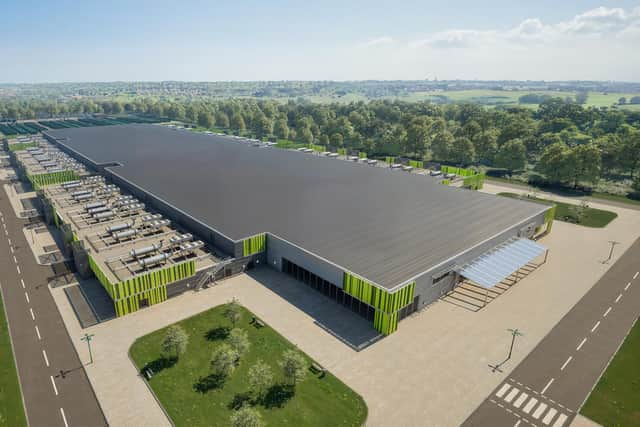

It is not just the massive scale of construction and the visual impact which needs to be considered, but the enormous amount of energy required to run and cool warehouses full of computer servers. Imagine how much electricity it would take to keep a building with a bigger footprint than Murrayfield Stadium packed with computer servers and super-cold fridges running constantly on max?
That’s what’s being planned for a green field site between the Union Canal and the A71, the 200-megawatt Wester Hermiston Data Centre Campus proposed by Apatura, the company which develops large-scale energy and digital infrastructure projects across the UK.
It is also behind four other data centre projects in central Scotland, including the old Ravenscraig steelworks site, a coalmine site at Cumnock and the former Freeport shopping centre at West Calder.
Those plans sound like good use of disused sites, particularly where the heat can be redirected to district systems. But I’m much less convinced by the plans for Wester Hermiston/Riccarton, not least because it appears that a deal has already been done for the data centre to have top priority access to the power grid node at Currie.
If there is a problem, I wouldn’t like to think the lights would be going out on the houses in the area to save the data centre, but that’s what it sounds like to me and there is zero awareness about this small detail.
This is not like any planning application because it’s designated as important national infrastructure and the application is going straight to the Scottish Government for determination, not to Edinburgh City Council, otherwise the local consultation process would be well understood.
I did meet with company representatives a couple of weeks ago, and I got the strong impression they are expecting to get the go ahead, which for construction on this scale is presumptuous to say the least, especially when local people barely know anything about it.
There is much talk about community benefit, but what is the process for influencing what that might be? Will they fund the building of a new Balerno High School, or a reliable bus service for Ratho? Who knows, because there have been no discussions.
While plenty workers would be needed for the building phase, data centres don’t employ many people, so the longer-term economic impact in the immediate area is minimal, and it’s not as if this is an employment blackspot anyway.
In the age of artificial intelligence, I appreciate things need to move very quickly, but this proposal already feels like a fait accompli, although there was a second public information event at Heriot-Watt University’s Robotarium yesterday afternoon (Wednesday).
But Apatura representatives are also due to attend Currie Community Council’s meeting on the evening of Wednesday, October 8 at the Gibson Craig Hall, and any local with an interest in this plan should get along. They might need a bigger hall.
Sue Webber is a Scottish Conservative MSP for Lothian