
Public health response is vital to addressing our drug deaths crisis - Lorna Slater
Last week brought a deeply sobering reminder of the scale of Scotland’s drugs crisis. New figures from National Records of Scotland showed that 1,133 people died from drug use in Scotland in 2025. That is 116 more deaths than the previous year, an increase of 11 per cent.
Behind every one of those numbers is a person, a family and a community dealing with loss. We should never allow statistics to make these deaths feel routine. They are not.
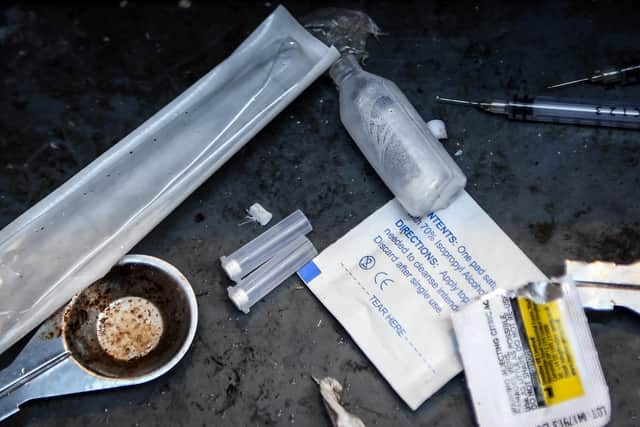

There is another particularly concerning trend in these figures. Cocaine was implicated in 589 deaths, more than half of the total and an increase of 23 per cent in a single year. Nitazenes, highly potent synthetic opioids, were implicated in 247 deaths.
Our drugs market is changing, and becoming increasingly unpredictable. People can no longer necessarily know what they are taking, or what has been mixed into it. That makes a compassionate, evidence-based public health response more important than ever.
We also need to understand that drug harm does not exist in isolation. The figures show that people living in Scotland’s most deprived communities experienced drug death rates around 15 times higher than those in the least deprived communities. Poverty, trauma, poor housing, unemployment, mental ill-health and exclusion can all shape people’s experiences
of addiction.
If we want to save lives, we therefore have to tackle those underlying inequalities as well as responding to the immediate dangers of drug use.
That means properly funding treatment and recovery services, making sure people can access the support that works for them, and ensuring there is help available before someone reaches crisis point. It also means embracing harm reduction.
Scotland has taken an important step with the opening of The Thistle in Glasgow, our first safer drug consumption facility. But one service cannot possibly meet the needs of an entire country. The Scottish Greens have called for fully funded safer consumption facilities wherever there is a significant problem with public drug use, with Edinburgh and Dundee the next priorities.
We should also expand drug checking, heroin-assisted treatment, stabilisation services and access to naloxone. These are practical measures that can prevent deaths and create opportunities to connect people with treatment and recovery.
And we need to be honest about the limitations of prohibition. Criminalising people who are struggling with addiction does not address the reasons they use drugs, nor does it make the drugs themselves safer.
The Scottish Greens have therefore supported moving towards decriminalisation and, ultimately, a legal and regulated system of drug supply. The aim is not to encourage drug use. It is to take control of a dangerous market away from organised criminals and put public health, safety and regulation at its centre.
There is no single policy that will solve Scotland’s drugs crisis. We need prevention, treatment, recovery, harm reduction, better housing, action on poverty and a drugs system based on evidence rather than stigma. Most importantly, we need urgency.
Last week’s figures should not simply prompt another round of expressions of sadness before the political debate moves on. They should strengthen our determination to do things differently.
Every life lost is a tragedy. And because these deaths are preventable, every one should also be a call to action.