
Scotland cannot afford to be dragged down by Labour’s instability
Only one year into government, the Labour Party conference has descended into a display of disunity and damage control and has underlined the extent of the party’s difficulties.
Keir Starmer entered the week facing doubts from his own membership, with polling showing that more than half of Labour members do not want him to lead into the next general election. Cabinet colleagues have been dispatched to defend him, but the fact that so much energy is being spent on leadership survival instead of policy direction tells its own story.
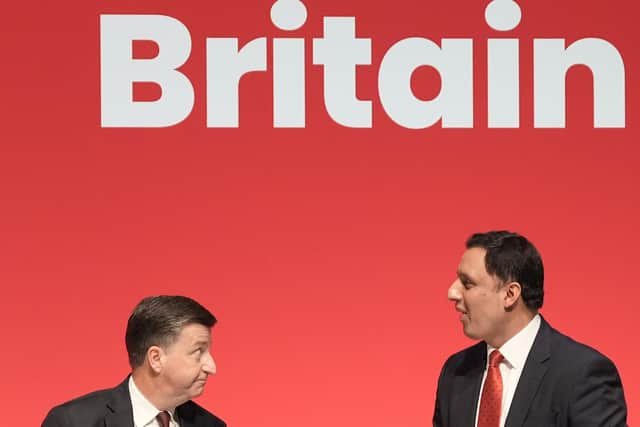

UK polling has compounded the pressure. Reform has overtaken Labour in voting intentions in England. Some models even suggest Nigel Farage’s party could win more seats than Labour if an election were held today. In Scotland, Reform has overtaken Anas Sarwar’s Scottish Labour, pushing them into third place. The only parties currently outperforming Reform at present are the SNP in Scotland and Plaid Cymru in Wales. Labour, which is trying to position itself as a potential party of government in Scotland, is instead consumed by crisis and drifting without a clear direction.
This collapse in confidence is not just a Westminster story. It has consequences for people across Scotland. Families are looking for certainty, leadership and action on bills, jobs, and services. Instead, Labour MPs are briefing against their leader while policy commitments shift with each new poll. That instability does not help households struggling with costs or communities relying on strong public services. It has left Labour vulnerable to being defined by others, rather than setting out a programme of its own.
The Scottish Government is taking a different path. Through the First Minister’s cost of living guarantee, we are delivering universal winter heating payments for pensioners, maintaining free prescriptions, protecting free bus travel and removing peak rail fares. These practical measures support household budgets and demonstrate the difference of decisions made in Scotland for Scotland. The SNP’s focus is on reducing pressures people face now while investing for future growth and fairness.
Independent anti-poverty organisations have confirmed that Scotland is the only part of the UK making measurable progress on reducing child poverty. Central to this success is the Scottish Child Payment, which is helping families with the costs of raising children. That progress shows what can be achieved when social security is designed in Scotland to reflect the priorities of the people we serve.
Labour’s record is in near direct opposition to the SNP’s socially conscious approach, and the public know Anas Sarwar in charge in Scotland would only serve as an extension of austerity-driven UK Labour. Indeed, at the Labour party conference, swathes of members headed for the exits as Sarwar took to the stage. There would be no new policy takes or radical ideas from the Scottish Labour leader, only Starmer-parroting.
The SNP is determined to continue putting Scotland’s interests first. That means a record of delivery today and a vision for the future. We will keep supporting households, investing in services and focusing on reducing poverty. We will also continue to make the case for a fresh start with independence in the European Union, giving Scotland the power to shape its economy and society in line with our needs while working with our neighbours.
Scotland cannot afford to be dragged down by instability at Westminster or by a Labour Party that lacks clarity, unity and purpose. The way forward is through a strong SNP and the opportunity of independence, ensuring decisions are made in Scotland for Scotland.
Angus Robertson is SNP MSP for Edinburgh Central and Constitution, External Affairs and Culture Secretary