
Scotland has opted for another conversation on independence - Lorna Slater
The opening days of a new Parliament should always be about possibility. About the kind of country we want to build, the values we want to uphold and the future we want to shape together.
This week’s debate brought forward by First Minister John Swinney and the Scottish Government is important because it recognises a simple democratic truth; Scotland’s constitutional future cannot simply be brushed aside or ignored.
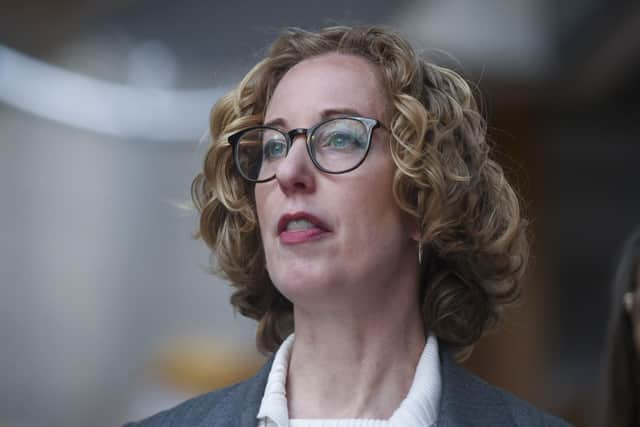

The election earlier this month returned the largest ever majority of pro independence MSPs to Holyrood. Voters elected a clear majority of representatives committed to Scotland becoming an independent country, including a record number of Scottish Green MSPs.
Whatever side of the constitutional debate people stand on, that democratic outcome matters and it deserves respect.
Too often Westminster parties demand that Scotland “move on” whenever independence gains electoral support. Yet democracy does not work like that. Elections are not meaningful only when establishment parties approve of the result.
If people in Scotland repeatedly vote for parties committed to independence, then there must be a serious and constructive process to respond to that mandate.
The Scottish Green Party have always believed independence should not simply be about changing flags or institutions. It must be about transforming Scotland into a fairer, greener and more equal country.
Independence would give Scotland the powers to fully shape our economy, invest in public services, tackle inequality and accelerate climate action without waiting for Westminster governments we did not elect.
For Greens, independence is about building a modern European nation rooted in social justice and international cooperation. It is about protecting our NHS from creeping privatisation, investing in renewable energy and ensuring Scotland’s vast natural wealth benefits the many, not just the few. It is about creating a migration system based on compassion and dignity, rather than the hostile environment politics that continue to dominate Westminster.
What is increasingly clear is that constitutional change is no longer a uniquely Scottish conversation. In Wales, support for independence has grown significantly in recent years, parties advocating greater constitutional autonomy continue to gain ground and there is a Plaid Cymru First Minister in the Senedd for the first time. In Ireland, conversations about reunification are returning to the mainstream and the discussions more serious.
Across these islands, people are questioning whether the political structures created generations ago are still serving them well or only benefiting the elite who established them.
That is why the UK Government cannot continue relying on outright refusal and constitutional deadlock. A mature democracy should not fear debate. It should facilitate it.
The democratic wishes of Scotland, Wales and Ireland cannot simply be vetoed indefinitely by whichever government happens to hold power at Westminster.
What is needed now is a clear constitutional process agreed across the nations of the UK.
That means setting out how democratic mandates are recognised, how referendums can be triggered and how constitutional negotiations would take place. The continued absence of any agreed pathway only deepens frustration and undermines trust in the political system itself.
Scotland’s future should always be decided by the people who live here. That principle is neither radical nor unreasonable. It is democracy. And if democracy is to mean anything at all, it must apply even when Westminster does not like the answer.