
Scotland’s buses are to serve communities, not shareholders - Lorna Slater
Anyone who has waited at a bus stop wondering whether their bus will arrive, or watched another route disappear from their local timetable, knows that Scotland’s bus system is not working as well as it should.
Buses are essential to everyday life. They get people to work, help children reach school, connect older people with their communities and allow families to visit our town centres without the expense of driving.

But for too long, passengers have faced rising fares, shrinking services and journeys that simply do not meet their needs.
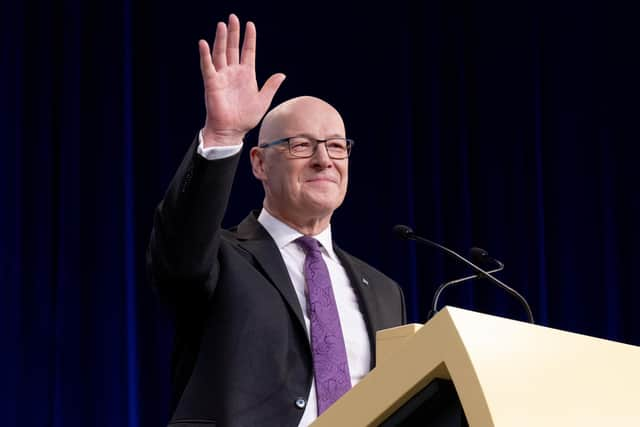
That is why John Swinney’s announcement at the SNP conference that Scotland’s bus network will come back under public control by 2031 is so welcome. His commitment to extend the £2 fare cap to more parts of Scotland is also a step in the right direction. These are policies the Scottish Greens have been championing for years.
It is encouraging to see the Government finally recognise that our buses should serve the public interest rather than leaving decisions about vital transport links to the priorities of private operators.
We have seen what can happen when services are run differently. Edinburgh’s publicly owned Lothian Buses is a powerful example of how an operator can provide reliable services while returning money to the public purse. Its success shows that public transport does not have to be treated simply as a business opportunity.
Public control would give us the ability to plan a network around the needs of passengers and communities. It should mean better coordination between services, greater accountability and the ability to protect routes that are essential to local people, even when they are not the most profitable.
That matters in Edinburgh, where people need affordable connections between neighbourhoods, employment centres and surrounding communities. It matters just as much in rural Scotland, where losing a bus route can leave people isolated, cut off from work and education or dependent on a car they cannot afford.
Making buses affordable is equally important. The Scottish Greens secured the £2 bus fare cap through budget negotiations, initially for the Highlands and Islands and we welcomed its subsequent extension to Strathclyde. The latest announcement brings the North East into the picture.
But affordability should not depend on where you live. We need a nationwide fare cap as soon as possible, alongside simpler, integrated ticketing that allows people to travel across different services without facing a confusing patchwork of fares.
We should also be more ambitious about the future. The Scottish Greens want to build on the success of free bus travel for under-22s by extending free bus travel to everyone in Scotland. That would help household budgets, tackle transport inequality and encourage more people to leave the car at home.
None of this will work without investment in better services. Cheaper fares mean little if the bus does not arrive, the last service leaves before a shift ends or an entire community has no useful connection.
We need frequent, accessible services, including in the evenings and at weekends, designed with local people rather than imposed upon them.
The First Minister has taken an important step, but a promise for 2031 cannot be an excuse to delay action today. We need a clear timetable, proper funding and an immediate commitment to making fares fairer across the country.