
Scotland’s debt to Vettriano - Angus Robertson
Scotland has lost one of its most celebrated and commercially successful artists, Jack Vettriano. Born Jack Hoggan in Methil, Fife, in 1951, his journey to artistic fame was unconventional.
Leaving school at 16 to work as a mining apprentice, his life took a different turn when, at 21, a set of watercolours gifted by a friend ignited a passion for painting that would define his career. Entirely self-taught, he studied the great masters and developed a distinctive style that would make him a household name.
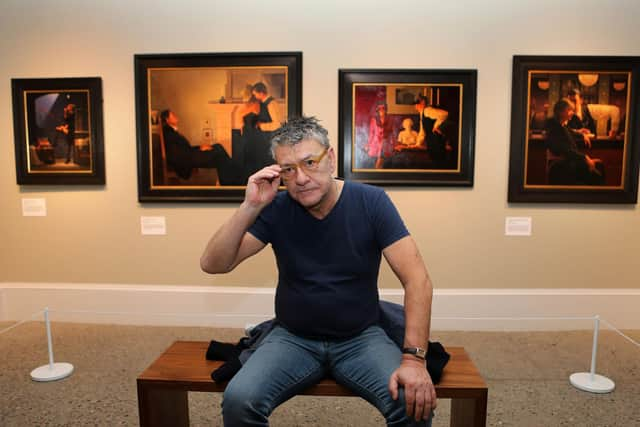

Vettriano’s big break came in 1988 when he submitted two paintings to the Royal Scottish Academy’s annual exhibition – both sold on the first day. His rise was meteoric, and his evocative, cinematic compositions found an enthusiastic audience worldwide. “The Singing Butler,” his most famous work, became a cultural touchstone, a print adorning countless homes, and later sold for a record-breaking £744,500 at Sotheby’s.
Despite his popularity, Vettriano was often dismissed by critics, with the art establishment reluctant to embrace his work. Yet he remained unapologetic, dedicated to the craft and to creating work that resonated deeply with the public. His paintings, infused with romance, nostalgia and mystery, became some of the most recognisable of our time.
Following a shoulder injury in 2015, Vettriano stepped back from painting, but his influence endures. Scotland owes him a debt of gratitude for his remarkable contribution to our cultural landscape. His legacy is assured, and his work will continue to inspire for generations to come.