
Shining a light on SNP Covid secrecy - Alex Cole-Hamilton
If the pandemic had a smell, for me it would be hand sanitiser. If I catch a whiff of it, I am transported back to lockdown.
It is a natural human response to remember the nicer things about the past and blot out the horror faced by hospital workers, the widespread societal anxiety and the loss of life.
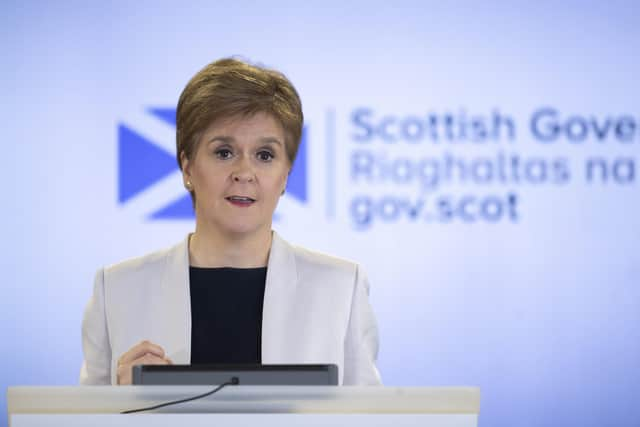

Tomorrow the UK Covid inquiry will bring that time of national emergency back into stark relief as it releases its not-so snappily titled report Module 2 ‘Core UK decision-making and political governance’.
It is a vital exercise in gathering the learning points from the last pandemic to prepare us for the next. But it will undoubtedly identify serious failures in the government’s approach as well.
When it was published last summer the first module, Resilience and Preparedness, exposed how ministers and officials prepared for entirely the wrong kind of virus and were left blindsided to how Covid would move through the population.
This new report will reflect on evidence from Boris Johnson, Nicola Sturgeon and others and explore some of the decision making chains which left health workers desperately short of PPE and the lethal decision to move untested and even Covid positive patients from hospital into our nations care homes to free up capacity.
For my part, I hope that it will delve into the thinking behind the complex web of restrictions that Nicola Sturgeon and her ministers would change, sometimes on a daily basis, as infection rates ebbed and flowed.
I want to believe that there was a scientific rationale as to why it was OK to sit in a hospitality venue with your mask off, but you had to put it on when you got to your feet, but I don’t think there ever was.
In private messages discussed at the Inquiry, the First Minister and her chief of staff even admitted that decisions over whether there should be a curfew for hospitality of 6pm or 8pm were "so random".
That hardly feels as if decisions were being guided by a solid grounding in clinical evidence.
That matters, because the Scottish Parliament had bestowed unprecedented levels of power on ministers.
Any suggestion they were making it up as they went along, risks undermining public confidence in the measures we are asked to adopt in a future crisis.
The biggest problem for the inquiry, however, is not what we know about the government’s approach but rather what we don’t and will never know because high ranking ministers and officials have deleted all trace.
Under Nicola Sturgeon and her deputy John Swinney decisions over the restrictions under which we all lived and sadly too many of us died were taken at high level ‘Gold Command’ meetings that were not minuted or in WhatsApp groups that were routinely and deliberately deleted.
For me that opacity, that deliberate covering up of life and death decisions represents perhaps the biggest scandal in the history of Scottish devolution. I am sure the inquiry will do their best to get to the bottom of how decisions were taken but I fear the erasure of those messages will forever rob bereaved families of the answers that even now they are still searching for. That is unforgivable.