
So, was parliament’s sixth session good value for money? - Susan Dalgety
So, farewell the sixth session of the Scottish Parliament. It seems only yesterday since Holyrood first opened its doors, yet here we are, 27 years later, older but I suggest no wiser.
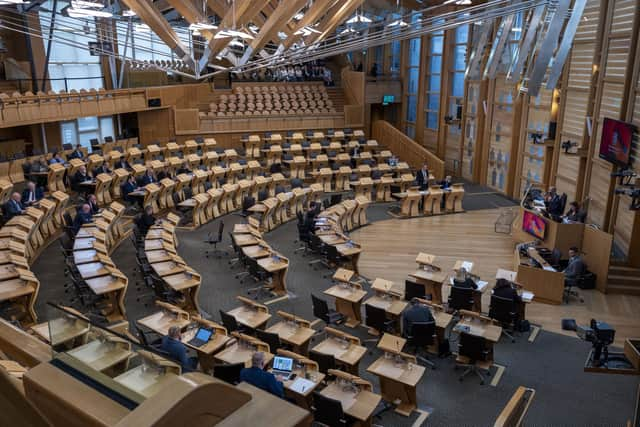
For the next few weeks, we will be spared the sight of a near-empty chamber – so many MSPs now ‘work’ from home that the building (which cost upwards of £400 million) is now starting to feel like a ghost town.

There will be no excruciating speeches from the likes of the Scottish Green MSP Maggie Chapman, and I won’t have to spend my Thursday lunchtimes watching First Minister’s Questions on my laptop while scrolling X on my phone.
Scotland will effectively govern itself until May 7 while those MSPs seeking re-election run around the country begging for our vote.
Meanwhile, veteran members who have decided to retire, including Christine Graham, Fiona Hyslop and former First Minister Nicola Sturgeon, can put their feet up and contemplate spending their £75,000 golden handshake, or as it is known in Holyrood-speak, their “resettlement grant”.
Even those MSPs who only lasted one term will pick up half a year’s salary – around £37,000 – to help them cope with real life. The cost of living isn’t going to worry them too much.
So what did we – the hard-pressed taxpayers – get for our money during the sixth session of the parliament?
Three First Ministers for a start. Nicola Sturgeon resigned in the huff in February 2023 after her controversial gender reform bill collapsed.
Her chosen successor, Humza Yousaf, only lasted 18 months before he was forced to quit after the coalition with the Scottish Greens broke down.
‘Honest’ John Swinney has been in charge ever since, and if the polls are anything to go by, he will be First Minister after the election. But to what end?
The last five years of the Scottish Parliament have not really achieved much. The big bold bills – on gender reform and assisted dying – both failed.
The introduction of safe access buffer zones for abortion clinics was a welcome move, as was the pardon for those miners convicted of certain offences during the 1984-85 strike.
But the NHS is a mess, with unacceptable waiting times for diagnosis and treatment; there is a housing crisis across the country, with many young people priced out of renting or buying their first home; and the education attainment gap is as wide as ever.
The political parties will promise us the earth over the next six weeks, offering everything from free childcare to 125,000 new homes. But the reality is there is no money in the kitty for whoever is in government. Unless there are significant changes to how politicians spend our money, there will be a £5 billion shortfall in the Scottish budget by 2030.
But the prospect of bankruptcy is not bothering our wannabe MSPs right now. They will tell us what they think we want to hear to secure our precious votes and worry later about how they are going to pay for their pledges. My advice is to vote, but take what the parties say on their glossy leaflet or cheesy TikTok with a very large pinch of salt.