
Susan Dalgety: Tartan, fudge and cashmere – joys of living on the Royal Mile
I have spent a good chunk of my adult life walking up and down the Royal Mile, whether as a councillor, a journalist on the Edinburgh Evening News or an adviser to politicians.
I know the High Street like the back of my hand and have observed its personality change over the decades.
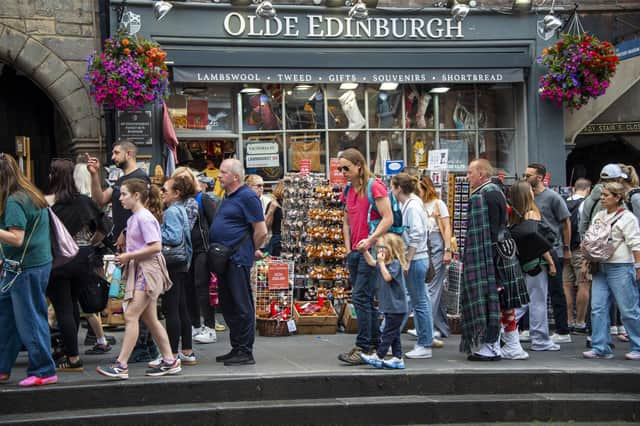

It has gone from a relatively quiet part of the city centre, except for the hordes who descended during festival time, to one of the busiest thoroughfares in the city. It doesn’t matter what time of year it is, from a chilly February to a haar-laden October, the Royal Mile is busy with people from all over the world eager to enjoy our history and, it seems, buy endless amounts of holiday souvenirs.
BBC Scotland has counted 72 gift shops along the street selling everything from postcards to fudge. And of course, all things tartan. It may sound like overkill, but wander round any major city that attracts tourists and you will find just as many.
My favourite city in Europe (apart from Edinburgh of course) is Athens, and its historic Plaka area is awash with gift shops. It is also the oldest part of the city, sitting snugly below the Parthenon and amid the shops selling worry beads, ouzo and evil eye charms are a myriad of ancient streets.
The same goes for New York, where midtown Manhattan is a bazaar of NYC tat, from model yellow taxis to plastic Statues of Liberty. Locals may roll their eyes at the snow globes featuring the city’s iconic skyline, but visitors love them.
I have a lot of sympathy for those High Street residents who bemoan the dearth of ‘normal’ shops and services in their neighbourhood. It must be really frustrating to run out of bread and milk, only to find that your nearest shop sells cashmere gloves and fake sgian dubhs, but regrettably that is the price the city pays for attracting millions of visitors every year.
Let’s hope the revenue from the tourist tax which comes into force next year is used in part to support those neighbourhoods, like the Royal Mile, which have to play host to the city’s tourists while the rest of us enjoy the economic benefits tourism brings.