
The wheels are clearly coming off the SNP’s vote shopping trolley - Sue Webber
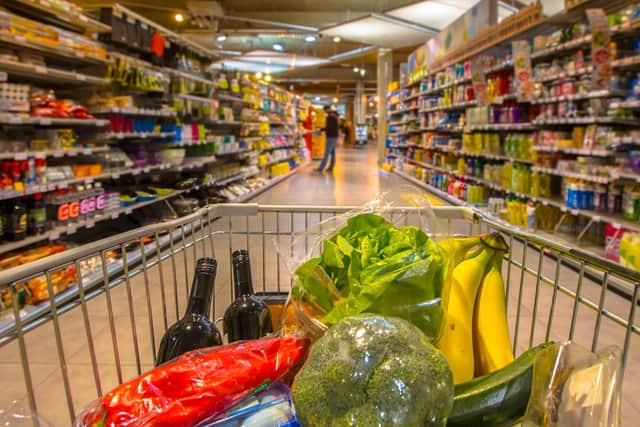
I don’t know if the SNP plan to include nuts, crackers and bananas in their plan to force supermarkets into selling cut-price food, but as the wheels are already coming off their shopping trolley it’s an apt description.
Expert after expert has rounded on the SNP manifesto promise to compel supermarkets to offer a basket of up to 50 essential items at a cost the SNP will determine. They have not explained how the prices will be determined, and it’s so obviously a non-starter that it strongly suggests their motivation is less a desire to help low income families but more a way to fan the flames of grievance.

The Institute for Fiscal Studies (IFS) reckons the SNP’s manifesto freebies and price caps, like limiting bus fares to £2, will cost around £1.4 billion a year in five years.
With no plan to fund them all and very little detail, it is not much more than glib electioneering designed to sway wavering voters the SNP presume to be gullible.
The Scottish Government already faces a £5 billion spending gap, so if, heaven forbid, the SNP is in position to deliver its bundle of bribes, it’s a racing certainty they will be unable to honour their promises.
And top of the list for failure will be this mad food price cap wheeze. But don’t just take my word for it, here’s what the IFS said:
“Ceilings could have the unintended consequence of creating shortages of these items, by causing demand to exceed supply. Indeed, suppliers or retailers could also deliberately restrict the availability of these items in Scotland. Products could also be reformulated to reduce production costs, which could adversely affect their quality.
“Higher prices often reflect spikes in the costs faced by producers, so a price ceiling may cause some of them to stop producing.”
And the Scottish Retail Consortium:
“The fiercely competitive grocery market in Scotland has helped to keep food prices among the most affordable of all the large European economies.
“Supermarkets have always run on very slim margins, but profits have fallen significantly in recent times. Many of the costs keeping shop prices high are now arising from the muddle of new regulations and taxes coming from government policies.
“Rather than recreating 1970s-style price controls and potty gimmicks, public policy should focus on cutting retailers’ costs … to keeping prices as low as possible for customers.”
And the Scottish Grocers Federation agreed small local shops were already under pressure from costs added by government regulation and global problems, and if being forced to match supermarket prices “could threaten both their viability and the benefits they provide.”
There is also the problem of the Internal Markets Act and this seems like an attempt to goad the UK Government into blocking any scheme and set up a row which paints Westminster as the enemies of the poor compared to the saintly SNP.
Or they will caricature supermarkets, which operate on profit margins of around two per cent, and employ thousands of local people, as evil, exploitative capitalists in the highly likely event that any restrictive law is challenged in court.
Far from being a reason to support the SNP, this ill-conceived and cynical stunt which could put hard-working local shopkeepers out of business, is a good reason to vote this tired administration out of office.