
Timeless depiction of brutal extremes very much of the present - John McLellan

With the Edinburgh International Festival getting underway as English high streets erupted in anti-immigration violence, this year’s “Rituals that unite us” theme could not have been more appropriate.
There is no greater ritual in the Christian calendar than Easter and Sunday’s performance of Mendelssohn’s arrangement of Johann Sebastian Bach’s St Matthew’s Passion from the BBC Scottish Symphony Orchestra at the Usher Hall was a stunning expression of beauty, pain and hope to come.
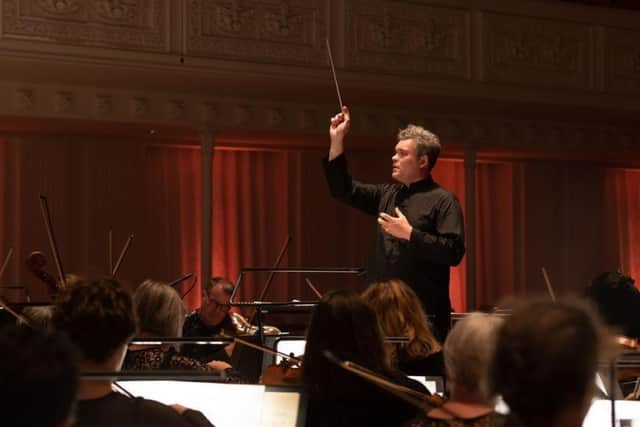

The magnificent Festival Chorus never fails to deliver on occasions like these and with the soloists all on the highest emotional form, especially soprano Elizabeth Watts, they plumbed the very depths of sorrow. Such a timeless depiction of the brutal extremes of prejudice and fear of challenge and difference, and its ultimate defeat, is very much of the present. And hope of resurrection in very short supply.
Back at the Usher Hall on Tuesday, the Bamberger Symphoniker gave an extraordinary performance of the relatively unknown First Symphony of Hans Rott, a pupil of Anton Bruckner and roommate of Gustav Mahler, who died aged just 25. A first half of Bruckner’s Symphonic Prelude and a young Mahler’s Songs of a Wayfarer set the context, with Edinburgh-born mezzo soprano Catriona Morison’s brilliantly moving interpretation of Mahler’s melancholy words. She even had flowers on her blouse to match the lyrics.
There are echoes of Mahler in Rott’s work, particularly the percussion, and the prominent brass strong evidence of Bruckner’s influence, and who knows what Rott would have achieved had he not succumbed to mental illness and then tuberculosis, soon after completing the symphony when he was only 22.
The execution was pinpoint under energetic conductor Jakub Hruska, but there was enough evidence to suggest that had Rott lived he might have continued to be in the shadow of his great contemporaries. But only just. Even with a relatively obscure main feature, the audience was surprisingly sparse, but there is a long way to go. Here’s hoping.