
Walking on sunshine on Water of Leith is something to treasure - Donald Anderson
When you are a councillor, as I was many years go, there are things you get involved in delivering, things you champion and play a significant role in delivering and then there are things you see happening that you have nothing to do with that you know are very special.
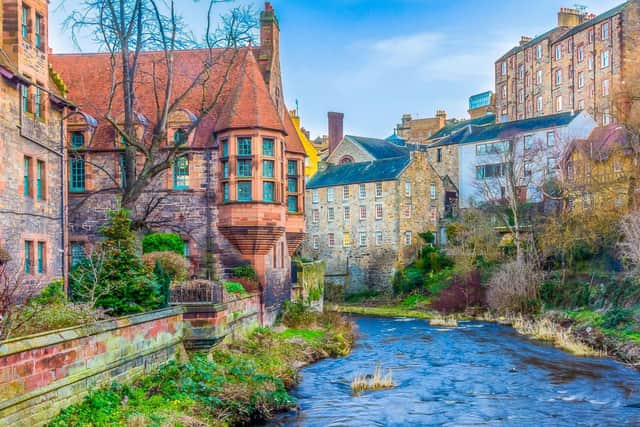
The Water of Leith walkway is one of those things that I was not involved with, but that turned out to be one of the city’s greatest achievements.

The idea of a walkway the length of the Water of Leith was first raised briefly in a wartime report on city development; the Lord Provost’s Report on City Development published in 1943. That report analysed the economic problems of wartime Edinburgh and prioritised action to be taken.
Over the decades sections of pathway were created or improved, but it wasn’t until the 90s when a more systematic approach was taken to creating cycleways and pathways in the city.
Amazing work was done by landscape architect Ian Temple. Ian pioneered the creation of what we now call a “green web” of pathways and green spaces, and it was Ian who designed the walkway we now know and love.
The walkway took a huge step forward with the creation of the Water of Leith Conservation Trust in 1988, with Hamish Nelson and Susan Warren playing key roles in delivering success. The trust itself has become one of Edinburgh’s greatest achievements.
The game changing moment for the walkway was when a volunteer at the trust Chris Hill pulled together a bid for funding from the then Millennium Fund. The initial funding of £5000 came from Bob Downie, of Lothian and Edinburgh Enterprise (LEEL), who would later go on to create one of Britain’s finest visitor attractions in Leith at the former Royal Yacht Britannia.
Bob was initially sceptical of contributing money from the tourism budget of LEEL. On a site visit to assess the bid a kingfisher flashed past to the delight of the visiting party, and Bob was sold. Never has a kingfisher had greater impact on its environment.
Chris Hill, as a volunteer, did the heavy lifting of creating a comprehensive and costed proposal to realise the dream. Chris masterminded the bid on behalf of the trust and the rest, as they say, is history. Millennium funding was secured and the dream was realised.
To this day the trust mobilises hundreds of volunteers to continually clean, maintain and improve the walkway. They’re heroes all. The walkway has become a haven for people and wildlife under its stewardship. Tom Kelly whose amazing photographs of all the wildlife that now flourishes along the Water of Leith can be seen in the excellent visitor centre and on Twitter (X).
The melding of amazing urban countryside with an army of enthusiastic helpers has created what Edinburgh City Council chief executive Paul Lawrence describes as, “one of the best urban walkways in Europe”. It’s certainly one of the city’s greatest achievements. It’s been enjoyed by millions of residents and visitors and it improves the quality of life of those who live beside it. If you’ve walked the pathway you will know what I’m talking about, and if you haven’t you should make the time to sample one of Edinburgh’s greatest treasures.
Donald Anderson is a director at Playfair Scotland and former leader of Edinburgh City Council