
Wildlife can pay a terrible price for the ‘sport’ of shooting birds - Steve Cardownie

Yesterday’s Evening News featured a story about wildlife crimes against species such as hedgehogs, badgers, seals and hen harriers and recorded that last year there were 2149 reports of suspected wildlife crimes but just 41 convictions – a conviction rate of less than two per cent.
This, according to the umbrella organization, Wildlife and Countryside Link (WCL,) only presents a partial picture as many wildlife crimes go undetected, unreported or unrecorded.
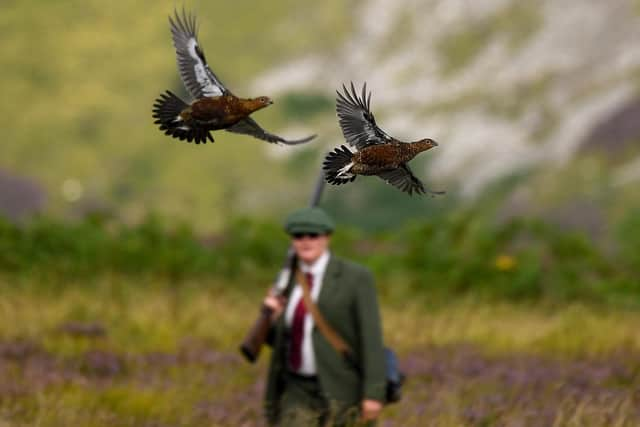

This report coincided with an email I received from The League Against Cruel Sports, of which I am a member, detailing a harrowing incident which took place down south.
It told the story of a 16-year-old girl, Georgia, who was cycling through the Suffolk countryside with her mother when they were aware of a horrible smell coming from a shooting estate. Despite feeling apprehensive they decided to take a closer look to see if they could identify the source and to their horror they discovered a huge pit filled with the bodies of dead animals, including foxes, squirrels, crows, pheasants and more.
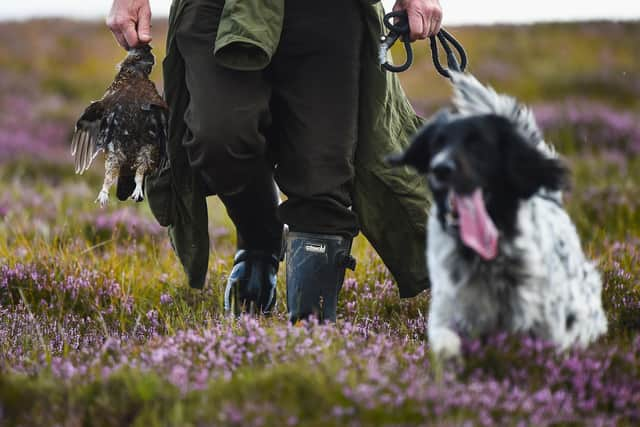
They had discovered what is known as a “stink pit”- an open grave used on some shooting estates to dispose of dead animals and attract predators, which can then be trapped or killed to protect birds intended to be shot for “sport.” This particular pit contained around 150 animal carcasses with snares set around it.
Georgia took photographs of the pit and contacted the League’s donor-funded Animal Crimewatch service, and an investigation was launched. Subsequent surveillance later captured footage of a man returning to the pit, checking the snares and throwing more dead animals into it.
The League reported that most people never witness scenes like this as the shooting industry works hard to present itself as a harmless country tradition.
It goes on to say that “millions of birds are bred simply to be shot, protected birds of prey are disappearing, with pets and wildlife being caught in traps and now the hidden cruelty of ‘stink pits.’ This isn’t a series of isolated incidents. It’s all part of the same industry.”
The email to me was sent by David Bassom, the League’s director of fundraising and marketing, as part of a drive to attract more financial donations to support its investigations into wildlife crime. It states that “Every investigation begins because someone cares enough to report what they have seen.”
The Evening News article quoted Richard Benwell, WCL chief executive, saying that “When people can persecute wildlife with so little prospect of punishment, the law is failing the animals it is supposed to protect, which sends a dangerous signal that wildlife crime can be committed with impunity.”
Investigations by the League’s Animal Crimewatch service help to amass documented evidence which can then be used in court, which is sometimes necessary to secure a conviction.
I readily admit that there is a lot of serious issues affecting humankind throughout the world at the moment, not least in Gazza and Ukraine, but that does not mean that we should just ignore crimes against wildlife.
With a bit more effort and a little time we can all contribute to ensuring that incidents of cruelty perpetrated on wildlife are investigated and that those responsible are suitably dealt with.
The League Against Cruel Sports is doing what it can-what about you?