
Wool needs a national strategy to bring it back in from the cold - Lorna Slater
When people think about Scotland’s great natural resources, they often think of our renewable energy, our stunning landscapes or our world-famous whisky.
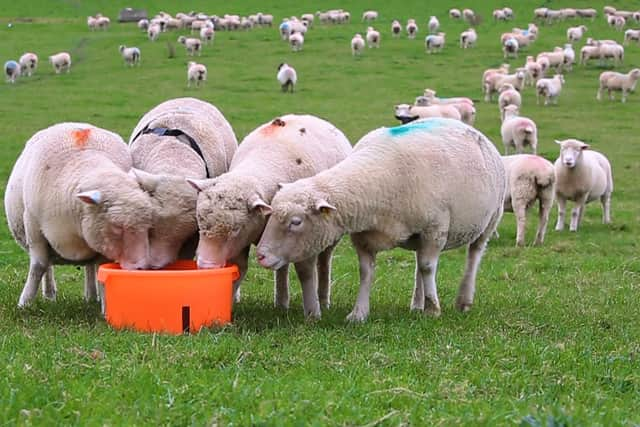
Yet one of our most abundant and historic resources is quite literally growing on hillsides across the country. Wool has shaped Scotland’s rural communities for generations.

It is a natural, renewable and biodegradable material, produced by our farmers. It is cleaned and dyed and woven into tartans and tweeds by skilled workers, and many of us knit and crochet it into clothing and blankets that can last for generations.
Yet despite its cultural and economic importance, wool has not been a Scottish Government priority, and the sector is facing mounting challenges. There are not enough apprentices to replace aging workers, kilts made in China are being sold to tourists on our high streets and our farmers are not being supported to innovate and create markets for our wool.
Over recent months I have been working with farmers, crofters, textile producers, environmental organisations, researchers and businesses from across Scotland to build support for this idea. I have listened and learned from people working at every stage of the supply chain.
Their message has been remarkably consistent. Scotland could do so much more with wool, if there was joined up working between the parts of Government that look after agriculture, culture, tourism, small business and circular economy. That is why I have been calling for Scotland to adopt a National Wool Strategy.
The response has been overwhelmingly positive. People from every corner of the country have added their names in support of a National Wool Strategy. They recognise that wool can play a bigger role in supporting rural jobs, strengthening local manufacturing and helping Scotland move towards a more circular economy.
The case for action is compelling. At a time when we are trying to reduce our reliance on synthetic materials derived from fossil fuels, wool offers a sustainable alternative.
It can be used in clothing, insulation, construction materials and a growing range of innovative products. Every kilogram of wool that finds a productive use is a step towards reducing waste and making better use of Scotland's natural resources.
A National Wool Strategy would bring together government, industry and communities to identify opportunities, tackle barriers and support investment. It could help create new markets, encourage innovation and ensure that more of the value generated from Scottish wool stays in Scotland.
We can preserve our traditions, create economic opportunities for the future, and welcome the thousands of tourists who come to Scotland to buy yarn and patterns to knit, or tweeds and tartans to wear. Wool can be a part of supporting rural communities that are facing significant pressures and we can invest in this sustainable material which has a vital role to play in tackling the climate and nature crises.
This week I have written to the First Minister urging him to include a National Wool Strategy in the upcoming Programme for Government. Scotland has ambitious goals for
sustainability, rural development and green economic growth. A wool strategy would help advance all three.
Too often we overlook the resources that are right in front of us. Scottish wool is one of them.
The farmers, producers and campaigners I have met are asking for a coherent vision and a commitment to make the most of a resource that Scotland already has in abundance. I believe it is an opportunity we cannot afford to miss.
Scotland’s wool has a proud past. With the right support, it can have an even brighter future.