
Holyrood elections 2026: Green and SNP voters help each others' parties while Reform 'as more work to do'
How ‘insurgent’ parties performed in last week’s elections
The big question ahead of last week's Holyrood elections - given the near certainty of a fifth SNP victory on the trot - was how the "insurgent" parties would perform.
The Greens have been represented in the Scottish Parliament right from the start, when the Lothians' Robin Harper became the UK's first Green parliamentarian.
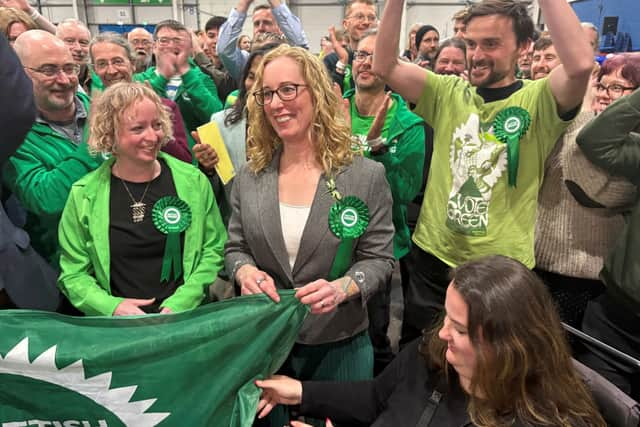

But the party is seen as on the rise and succeeded in almost doubling their MSP numbers from eight to 15 at the election.
Scottish Green former co-leader Lorna Slater made history by winning the party's first constituency seat in Edinburgh Central, defeating SNP Culture Secretary Angus Robertson in the process. And the Greens then went on to win three of the seven list seats for the Edinburgh and Lothians East region as well.
Fraser McMillan, co-investigator on the Scottish Election Study, says there was an increase in SNP/Green "ticket splitting" at this election, which benefited both parties. Despite the "Both votes SNP" messaging from John Swinney's party, it has little chance of getting list seats if they're winning most of the constituencies.
Dr McMillan says: "Because there's a high degree of compatibility between the two parties, you had people who would primarily think of themselves as SNP supporters lending the Greens a list vote, but then you also had people who would primarily think of themselves as Green voters who were voting SNP in their constituency."
He says at the last Holyrood elections in 2021, around 15 per cent of SNP constituency voters went for the Greens on the list, but this time that doubled to 30 per cent.
And it's not necessarily all about independence. Maximising Green list seats would also help minimise seats for Reform UK.
Reform took only one list seat in Edinburgh and Lothians East, in contrast to the two or three in every other region. The party finished with 17 seats in all, giving it joint second place with Labour.
But its 16 per cent share of the vote compared with poll predictions of up to 22 per cent. One Reform candidate said: "We have more work to do."