
Edinburgh schoolgirl's 'trapped wind' turned out to be rare kidney cancer
Schoolgirl’s cancer was found after mum asked doctors to do further checks
An Edinburgh schoolgirl who was told her sore stomach was likely caused by trapped wind was later diagnosed with a rare kidney cancer.
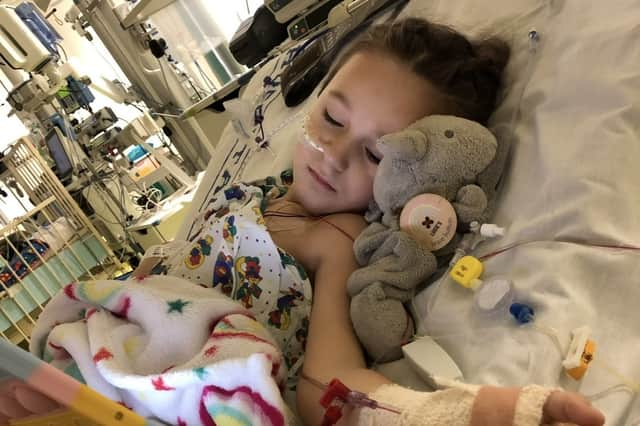
Five-year-old Lucie Sneddon was taken to A&E twice in one month with a sore stomach, odd posture and a temperature, which doctors initially blamed on a viral infection or trapped wind.
But Lucie’s mum Leonie’s gut instinct told her there was a more serious cause and she insisted on getting a ultrasound scan to check for other issues.
It was only then that Lucie was diagnosed with Wilms tumour - a rare kidney cancer which affects children - which at the time was bigger than her kidney yet still not visible.
“I was told that there was a growth there that shouldn't have been, and that Lucie needed to see a consultant straight away,” said Leonie. “My heart sank, as I just had an awful feeling what they meant.”
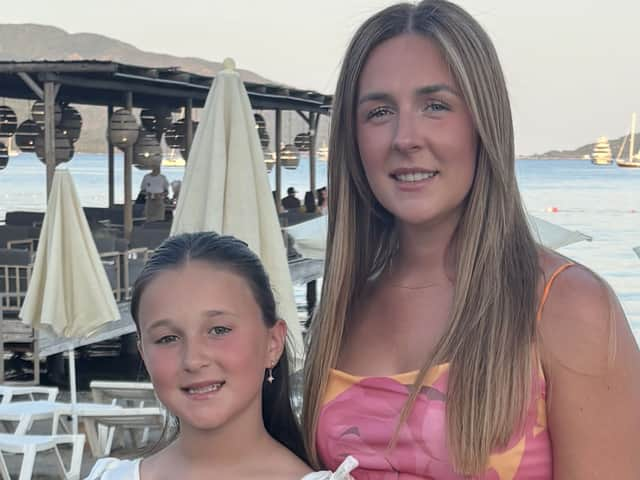

The results of the scan secured a quick start to treatment and Lucie has now been free from kidney cancer for more than four years.
“To this day, I always think how lucky it was that I acted on a feeling and didn’t leave it any longer,” said Leonie, 31. “I dread to think how things could have been if Lucie’s cancer was not caught so quickly.”
Leonie is now backing the Children & Young People’s Cancer Association (CCLG) campaign to raise awareness of childhood cancer symptoms and help health care professionals recognise cases sooner.
Professor Kathy Pritchard Jones, an expert in childhood kidney cancer at UCL Great Ormond Street Institute of Child Health, said: “Late diagnosis matters enormously – it means that tumours are more advanced, and they’ve had more time to grow and evolve.
“The most effective thing you can do to maximise the chance of ‘cure at least cost’ is to diagnose the tumour as early as possible.”
Later diagnosis risks cancers spreading and “can mean higher intensity treatments, or sadly, a lower chance of survival”, according to Dr Shaarna Shanmugavadivel, a paediatric emergency medicine doctor and CCLG Child Cancer Smart Research Fellow at the University of Nottingham.

Working with researchers at the university, CCLG have produced guidance to help professionals diagnose abdominal tumours.
Symptoms of childhood abdominal tumours include abdominal pain, swelling or blood in urine.
Ashley Ball-Gamble, chief executive of CCLG, said: “No parent should have to fight for their child’s diagnosis.
“We hope the new resources offer support to parents advocating for their children and help healthcare professionals spot cancer sooner and save lives.”