
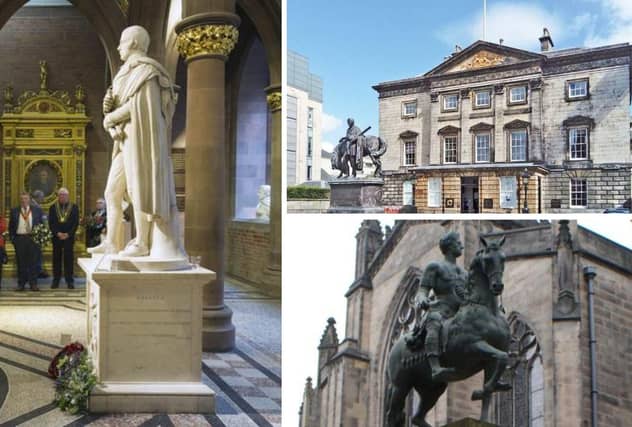

The city council has accepted the review’s recommendation that the statues, buildings and street names should be kept rather than removed or changed, but that they should be “re-presented” to explain the nature and consequences of their association with slavery or colonialism.
It is expected to mean new plaques or interpretation boards to spell out some aspects of Edinburgh’s history which has often been glossed over.
“The report is clear – putting up plaques is what we should do rather than knock things down,” said Sir Geoff, a well-known human rights campaigner who was Scotland’s first black professor and is now Chancellor of Heriot-Watt University.
Here are some of the key sites around the Capital with links to slavery or colonialism:
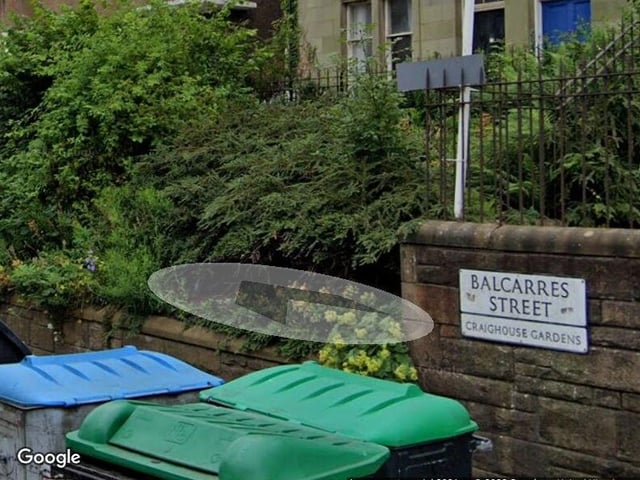
5. Balcarres Street, Morningside
This residential street is named after Alexander Lindsay, 6th Earl of Balcarres (1752-1825), Governor of Jamaica during the Second Maroon War in Jamaica (1795-96). Maroons were people of African descent who had managed to escape from slavery. After a dispute, Balcarres ordered his troops to put down the Maroons. Photo: Google Streetview
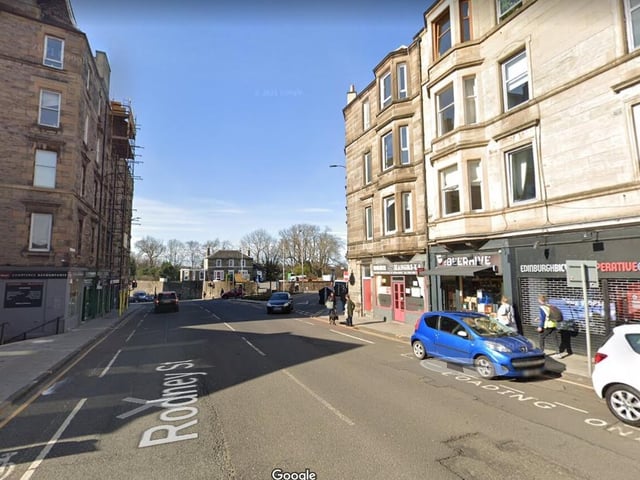
6. Rodney Street, Canonmills
This busy stretch of road is named after Admiral Sir George Rodney (1718-1792), commander of British naval forces at the Battle of the Saintes which took place on 12 April 1782 and preserved British rule and control of slavery in Jamaica. Robert Burns famously referenced the event in his 1793 poem Lines On The Commemoration of Rodney’s Victory which included the words, “Here’s to the memory of those on the twelfth that we lost...” Photo: Google Streetview
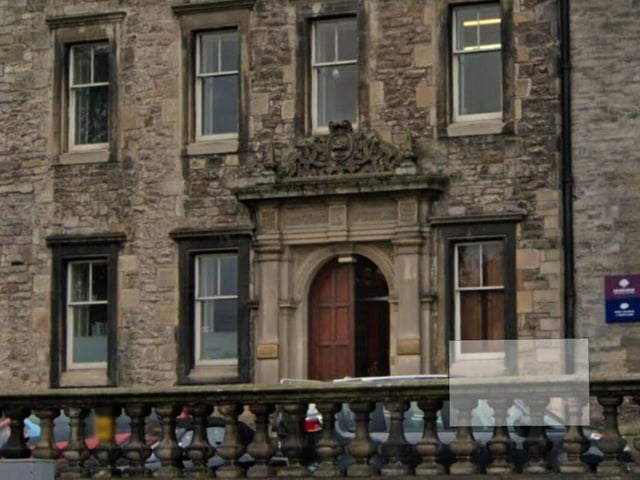
7. Free Church of Scotland headquarters, The Mound
The Free Church of Scotland, formed at the Disruption in 1843, obtained some of its funds from donations made by pro-slavery counterparts in the United States. American former slave, social reformer and abolitionist Frederick Douglass attacked the Free Church for its hypocrisy, and led a national campaign, ‘Send Back the Money’. Photo: Google Streetview
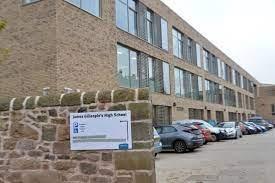
8. James Gillespie's High School
The school first opened in 1803 and was funded by Edinburgh merchant James Gillespie (1726-1797). Gillespie amassed great wealth from the tobacco trade, directly benefitting from the work of enslaved people. Photo: Scotsman Publications