
Would a visitor tax on cruise ships help or hurt ports like Queensferry?
With the school summer holidays in full swing, and MPs taking our summer break from Westminster soon, thoughts are turning to summer in the capital.
For me, it means a busy but exciting six weeks visiting businesses, helping constituents and seeing the issues people face every day across Edinburgh West.
But like all of us in the city, it also means the bustle of the Festivals descends again.
Thousands come to Edinburgh to see some of the world’s finest actors, writers and performers, and support our fantastic local businesses.

In 2022 Edinburgh benefitted to the tune of £407 million, with around five thousand jobs supported.
But too often recently it has seemed that the festival’s future has been clouded by complaints about the number of tourists, which has in part spurred calls for a tourist tax.
Edinburgh will soon introduce a 5% levy on accommodation bookings, which some estimates suggest could bring in £50 million per year.
But this won’t cover one part of Edinburgh’s busy transport system, with potential to grow even further.
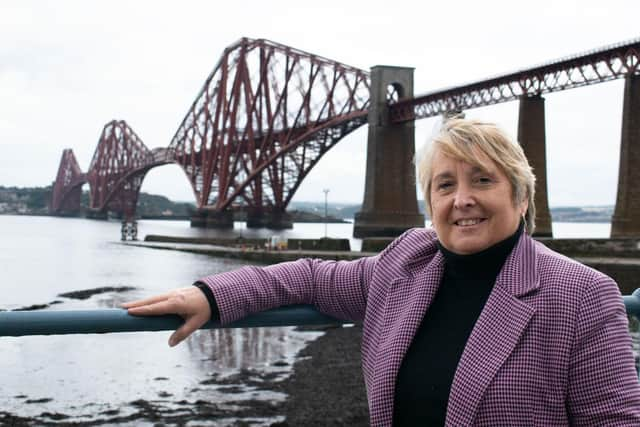
Last summer, Edinburgh welcomed a record 118 cruise ships to its ports, including 36 to Queensferry.
This may not be surprising, given that the United Kingdom’s waters are visited by a third of the global cruising fleet every year.
And, as I learnt from meeting the Cruise Lines Association recently, many who visit Scotland by cruise ship are from other parts of the UK itself.
For many, a cruise is also a fantastic opportunity to visit a destination for the first time, with most of them returning for another holiday in future.
They will stop in Queensferry en route to the city, others will visit the high street, try some local produce, and admire the fantastic scenery, before returning to their journey at sea.
This is the crux of the problem now facing the Scottish Government and councils – should cruise ships face the same tax as hotels?
Many won’t spend a night in the city, but they will provide an important boost to the small, family-run firms that are the backbone of our high streets.
Some areas around ports could see thousands of tourists every day, adding pressure to local services. For communities who rely on tourism, the tax could help keep these afloat.
But many who work in tourism are also concerned about the impact the potential tax could have.
They worry it could make Scotland less attractive or risk losing investment, reducing the number of people who come and support our local economy.
Whatever the solution that comes out of the Scottish Government’s consultation, it’s critical we keep tourism sustainable for communities of all sizes, so we can enjoy many more summers to come.