
Rare Cancers Bill introduced by Edinburgh MP Scott Arthur receives Royal Assent
Edinburgh MP Scott Arthur is celebrating after his Rare Cancers Bill - aimed at stimulating more research into life-saving treatments - made in onto the statute book.
After completing its passage through the House of Commons and the House of Lords, the legislation - launched as a Private Member’s Bill in October 2024 - received Royal Assent on Thursday, March 5.
Dr Arthur, Labour MP for Edinburgh South West, marked the achievement with a post on social media: “We've done it, The King gave my Rare Cancers Bill Royal assent today. It is now the Rare Cancers Act! I can think of no better way of marking Brain Tumour Awareness Month.”
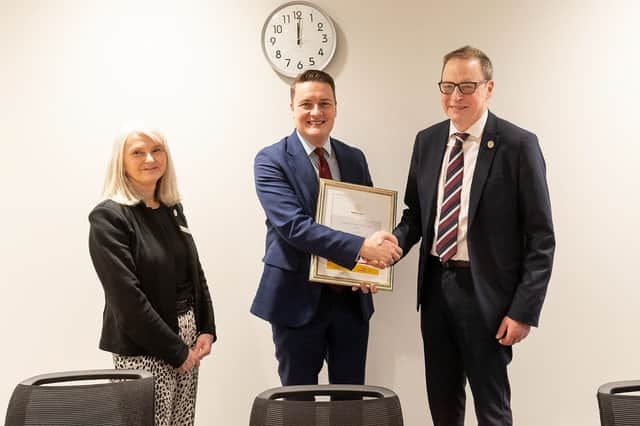

And it coincided with a visit by UK Health Secretary Wes Streeting to a leading brain tumour research centre in Edinburgh, where he met patients and scientists working to develop new treatments for glioblastoma, one of the deadliest forms of cancer.
Dr Arthur’s campaign on rare cancers was inspired by the death of his father-in-law, Ivor Hutchinson, from glioblastoma in 2018.
Although so-called rare cancers account for 47 per cent of cancer diagnoses in the UK, the fact there is a relatively small market for the drugs for each type of rare cancer means there is little incentive for pharmaceutical companies to pursue new treatments and some of the treatments currently used for these cancers have not advanced for 20 years or more.
The new legislation aims to improve treatment options by introducing a named lead for rare cancer research and making access to clinical trials easier.
Dr Arthur was able to introduce the Bill after winning one of the top places in a ballot of MPs for the right to launch a Private Member’s Bill just months after being elected to Westminster at the 2024 general election.
Following the Royal Assent, Brain Tumour Research named Dr Arthur as its Parliamentarian of the Year in recognition of his work. While brain tumours are relatively rare, they remain the biggest cancer killer of children and adults under the age of 40 in the UK.
During his visit to the Scottish Brain Tumour Research Centre of Excellence, a collaboration between the University of Edinburgh and the University of Glasgow, Wes Streeting met researchers working to develop new treatments for glioblastoma, as well as people with lived experience of brain tumours.
Mr Streeting said: “This is an issue I feel very strongly about. I’ve lost friends to glioblastoma, and it’s a devastating disease.”
And he paid tribute to Dr Arthur’s efforts. “It is incredibly difficult to change the law through a Private Member’s Bill — securing government support, finding parliamentary time and guiding legislation through both Houses in such a packed legislative programme is no small task.
“We were pleased to support this effort, but the real credit belongs to Scott and the team behind him. Their determination has brought this Bill over the line, and I believe it will make a real difference.”
Dr Karen Noble, director of research, policy and innovation at Brain Tumour Research, said: “The brain tumour community has helped make a new law. We thank Scott Arthur MP for championing rare cancers and giving hope to thousands of people affected. Through greater focus on research, improved access to clinical trials and smoother pathways to drug approval, we believe this legislation can help improve survival rates for brain tumour patients.”
Dr Arthur said: “It’s truly an honour to be presented with this Parliamentarian of the Year Award. Brain Tumour Research has been a dedicated ally throughout the process of this Bill. Their work supporting patients and pushing for progress in research is vital.”