

Transport projects – whether it's trams, pedestrianisation or low emission zones – are almost always controversial.
But take a look at these ones which were abandoned before they were implemented. You might think some, like the hovercraft perhaps, were good ideas. Others now seem bizarre, not least the mind-blowing 1949 Abercombie plan, which would have demolished swathes of the city centre to build an inner ring road.
They offer a fascinating insight into the priorities of the past – sometimes the quite recent past – and how much thinking has changed.
9. Congestion charge
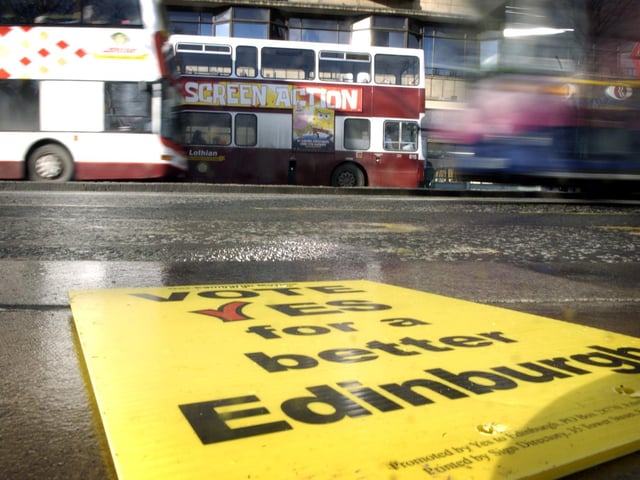
A proposal for a congestion charge was put to a referendum in Edinburgh in February 2005 - and defeated. The plan was for motorists to pay a daily charge for driving in the city, raising up to £50m a year for investment in public transport and potentially paying for an extra tramline. There were to be two cordons, one around the city centre and one just inside the city bypass, both operating Monday-Friday. The inner cordon was going to apply from 7am to 6.30pm, while the outer one would only be in force during the morning rush hour, from 7am to 10am. Motorists would have been charged for crossing either cordon but would have paid only one charge per day even if they crossed the cordons several times. However, the proposal was rejected in the referendum by three to one - 45,965 in favour and 133,67 against. Photo: Rob McDougall
10. Central Scotland Airport
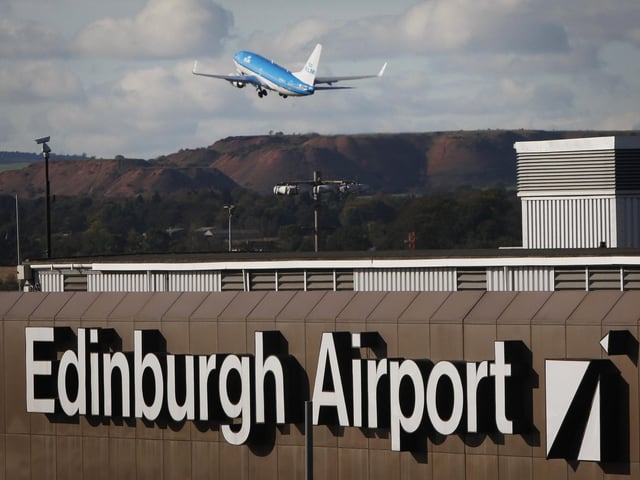
Edinburgh and Glasgow airports are only about 40 miles apart and 20 years ago there was a proposal to bulldoze them both and replace them with a single major airport for Central Scotland. Both existing airports were said to face problems in expanding to meet demand and it was argued a combined airport would offer better opportunities for hub-based operations. A similar idea had been floated as long ago as 1959. The new airport would have been built near Falkirk - it was jokingly dubbed Skinflats International - but in 2003 the UK government backed expansion of the existing airports instead. Photo: Danny Lawson
11. Tunnel under the Forth
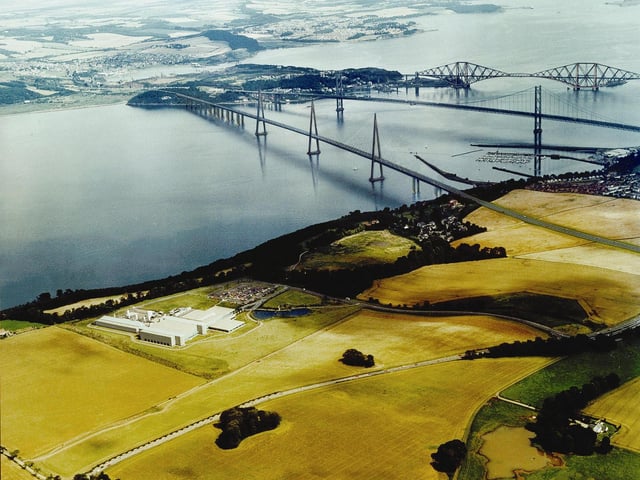
The Queensferry Crossing could have been a tunnel instead of a bridge. When it was decided a replacement crossing was needed for the Forth Road Bridge, there were calls for it to be made a tunnel rather than another bridge. It would probably have taken the form of an "immersed tube". Supporters argued such a solution would be cheaper, more environmentally friendly and could be delivered more quickly. But in December 2007, the then finance secretary John Swinney announced the Scottish Government had opted for a cable-stayed bridge.. Undated handout image issued by Transport Scotland of an artisit's impression of a new Forth replacement bridge alongside the current Forth bridge. PRESS ASSOCIATION Photo. Issue date: Thursday December 20, 2007. Plans to build a new road bridge across the Forth have been hailed as the biggest construction project for a generation by finance secretary John Swinney. Mr Swinney announced ministers had ruled out building a tunnel and were instead proposing to construct a new bridge to replace the existing Forth Road Bridge. See PA story SCOTLAND Bridge. Photo credit should read: Transport Scotland/PA Wire Photo: Transport Scotland
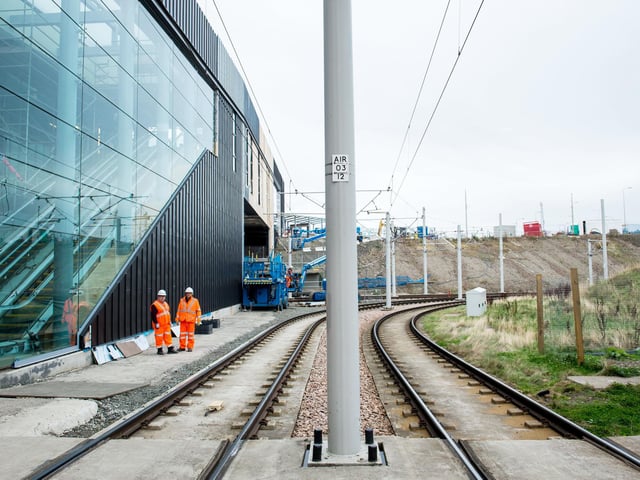
12. Dalmeny Chord
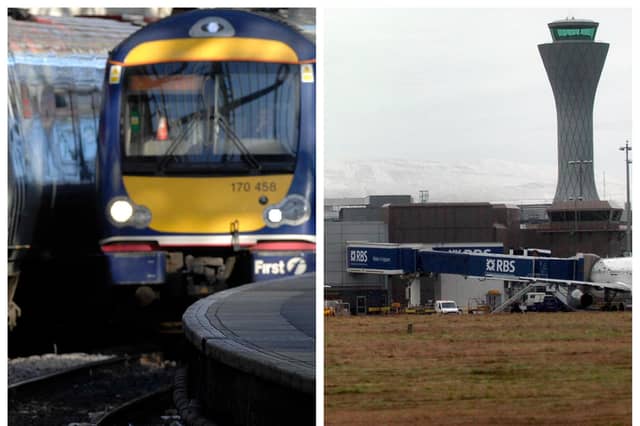
It sounds obscure, but the "Dalmeny chord" was a crucial stretch of rail which was never built. It would have linked the Edinburgh-Glasgow line to the Fife line and was a key part of the £1 billion Edinburgh-Glasgow rail improvement programme. It would have meant six trains an hour between the two cities, journey times cut to 35 minutes and trains calling at the new Edinburgh Gateway station (pictured) where passengers could switch to a tram to reach the airport. But in 2012 the budget was slashed to £650m, the Dalmeny chord was dropped, frequency remained at four trains an hour, journeys at 40 minutes and passengers from Glasgow heading for Edinburgh airport still had to travel to Haymarket and out again. Scottish Government Edinburgh Gateway Station to view it's progress as it nears completion. Photo: Ross Parker / SNS Group