
The used car mistake that could cost buyers thousands (aff)



This article contains affiliate links. We may earn a small commission on items purchased through this article, but that does not affect our editorial judgement.
Hidden finance, insurance write-offs and volatile EV prices are making independent vehicle data more important than ever
Buying a used car has never been more expensive - or potentially more risky. After years of pandemic shortages, inflated second-hand prices and growing demand for cheaper alternatives to brand-new models, Britain’s used car market remains a minefield for buyers trying to separate a good deal from a financial nightmare.
And with electric vehicles now entering the mix in bigger numbers, many drivers are finding themselves making the most expensive purchase decisions they’ve faced in years with less confidence than ever before.
That uncertainty is exactly why millions of motorists now rely on tools like the hpi check by Solera before handing over any money for a used vehicle. In a market where glossy dealership photos and polished sales pitches can still hide outstanding finance, mileage discrepancies or previous insurance write-offs, independent vehicle data is becoming just as important as the test drive itself.
The biggest problem for buyers is that modern used cars are harder to judge at face value than they once were. A quick walk around a car park used to reveal most of what people needed to know. Rust bubbles, suspicious smoke, dodgy paint repairs or a rough-running engine were all warning signs drivers could at least attempt to spot themselves. But modern cars are far more complex, while many of the biggest risks are now effectively invisible.
A vehicle can look immaculate and still carry tens of thousands of pounds of unpaid finance attached to it. It could have previously been stolen, written off by insurers or even cloned using another vehicle’s identity. In some cases, buyers only discover serious problems after ownership has already changed hands. That can quickly become catastrophic financially.

If a vehicle still has outstanding finance attached to it, ownership disputes can potentially follow. Insurance write-offs may carry hidden repair concerns that affect long-term reliability and resale value. Mileage discrepancies can dramatically distort what a car is actually worth.
For many consumers, the issue is no longer simply whether they like a car - it’s whether they can trust the information they’re being given.
That’s where independent vehicle history tools have become increasingly valuable. The hpi check has become one of the most recognisable names in the UK car-buying process precisely because it focuses on giving consumers access to data they may not otherwise see.
Checks can uncover:
• Outstanding finance • Theft records • Insurance write-off history • Mileage inconsistencies • Identity discrepancies
For buyers spending thousands of pounds - often under pressure and in competitive markets - that extra layer of clarity can make a major difference.
And the timing matters. Used car values remain unusually volatile in some parts of the market, especially as manufacturers continue transitioning towards electrification. Petrol and diesel demand remains strong in many areas despite looming policy changes, while used EV values have fluctuated sharply as battery concerns, charging anxiety and rapid new-model development continue shaping buyer confidence.
That uncertainty has created a new challenge for consumers trying to work out what represents fair value. Historically, many buyers relied on instinct, dealership confidence or comparing a few online listings. But pricing has become increasingly inconsistent, particularly for newer electric models where depreciation patterns are still evolving.
Tools offering independent vehicle valuations are becoming more important because they help buyers understand what a car may realistically be worth across private sale, trade and retail contexts. That matters for sellers too.
Many motorists trading in their vehicles now discover huge differences between dealer offers, online buying services and advertised retail prices. Independent pricing data can at least provide a benchmark that removes some of the guesswork and emotion from negotiations.
The EV market is perhaps where consumer confidence matters most right now. Electric vehicles are no longer niche products. More used EVs are entering the market every month as early adopters change cars and company lease fleets rotate stock back into dealerships. But many buyers still remain nervous about long-term battery degradation, future resale values and whether rapidly changing technology could make current models obsolete faster than expected.
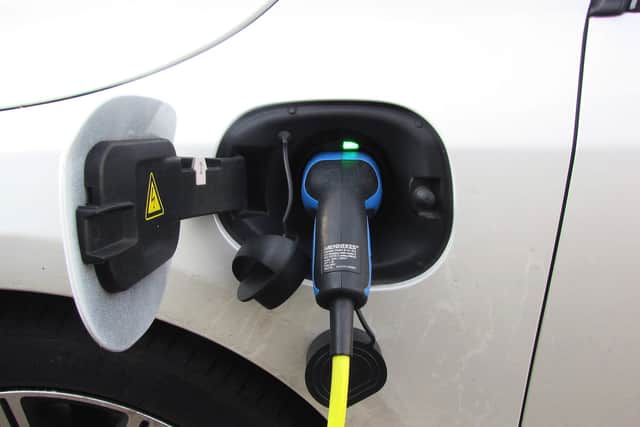
That nervousness is showing up in pricing. Some used EVs have experienced substantial depreciation over the last two years, creating what appears on the surface to be incredible value. But consumers are increasingly wary about whether cheap prices reflect genuine bargains or future ownership risks.
Data providers such as cap hpi are becoming more influential partly because they help explain the market rather than simply advertise vehicles within it. Understanding wider pricing trends, valuation shifts and ownership patterns gives buyers far more context before they commit to major purchases.
And confidence is ultimately what the used market now revolves around.
Modern car buyers are navigating an environment full of uncertainty:
• Higher borrowing costs • Expensive repair bills • Rapid EV development • Insurance increases • Fraud concerns • Volatile resale values
Against that backdrop, trusted information becomes incredibly valuable.
Importantly, tools like the hpi check are not about guaranteeing perfection or removing all possible risk from buying a vehicle. A car can still develop faults or unexpected problems later on. But independent data gives consumers a far stronger starting point than relying purely on appearances or promises.
That can reduce hesitation, avoid costly mistakes and help buyers feel more confident making decisions in a difficult market.
For many households, buying a car remains the second biggest financial commitment they will ever make after purchasing a home. Yet plenty of consumers still spend more time researching a new television or holiday destination than they do checking the background of the vehicle sitting on their driveway.
As used car prices remain high and EV adoption accelerates, that approach is starting to look increasingly outdated.
Because in 2026, confidence isn’t just about finding a car you like - it’s about knowing exactly what you’re buying before you commit.
Used car buyers are increasingly relying on independent vehicle data rather than appearances alone, as concerns around hidden finance, insurance write-offs and mileage discrepancies continue to shape purchasing decisions.

Theme parks are increasingly shifting beyond rides alone, with short breaks, themed hotels and family attractions turning them into longer getaway experiences rather than simple day visits. Alton Towers seems to be leading the way.