
Why more men are needed in nursing – and how Edinburgh Napier University is leading the way


Think nursing is just for women? One of our city’s universities is proving otherwise – and changing lives in the process.
Just one in ten of the nurses in Scotland are male, but a cohort of students at Edinburgh Napier University are helping to rewrite the story of who can be a nurse.
November marks Men into Nursing month, and the university is leading the call to create a more inclusive and equitable nursing workforce of the future.
Here, two student nurses share their experiences:
‘It is great for male patients to see people like them’
Kai Ross is in the second year of his learning disability nursing course – he had started out studying criminology but found his niche after chatting to the nursing team.
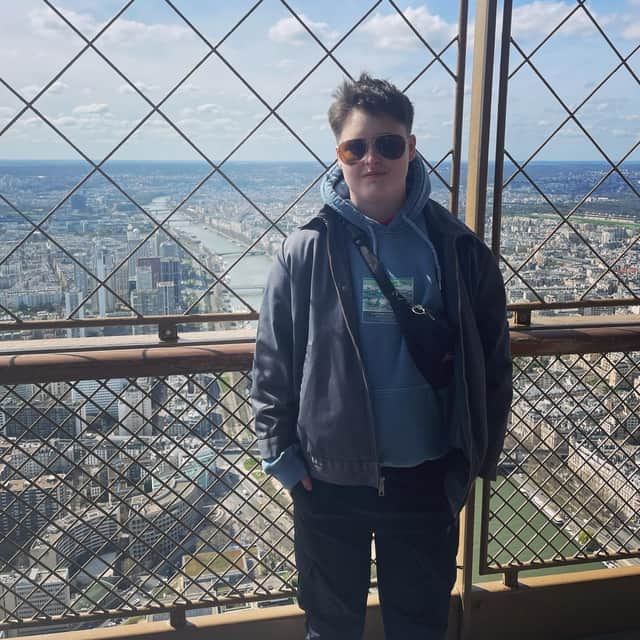
He thinks it’s incredibly important that there is space for men in the nursing community. “It is 50:50 with patients, so that rightly should be matched with the staff especially when we are dealing with patients with learning disabilities,” he explains. “It can be very difficult for them to express who they are comfortable around.
“I’ve found that being a male in nursing is very welcome and the men that I know in nursing are great at what they do. There is no bias when it comes to being on placements or in the classroom getting skills training; they are excited to see more men getting into nursing. And it is great for male patients to see people like them, who identify as male, working with them.”
Kai, 21, was drawn to the “uniqueness” of the course, particularly in the way that working across disciplines in multi-disciplinary teams and honing communication skills are taught in order to properly reflect the working world.
With a 50:50 mix of coursework and placement, he says the three-year programme is intense but everyone “wants to see you qualified” so there is plenty of support available; he particularly praises the efforts of the disability and inclusion staff at ENU. But it’s not all hard work: “It is great for socialising as well because you get really good friends out of it – everybody is in the same boat together and you really feel that.”
He adds: “We work with children and adults, all ages and all ranges of people. These are specialist courses for a reason but that doesn’t mean that the skills aren’t transferrable.”
Kai hopes to work in the community with his own caseload, for example with a positive behaviour support team, who provide innovative, specialist support for people with complex behaviours and additional support needs. “You are providing people not only with healthcare, but usually within a health and social care partnership which means you feel that you are really doing something with your team; you are helping people and it is a route for many different career choices.”
‘ENU were like a family to me’
Sergiu-Cristian Bahrim is coming to the end of his undergraduate degree in learning disability nursing, and plans to undertake a master’s to specialise in autism. Originally from Romania, he had struggled to find work in his original profession of map-making when he moved to Scotland a decade ago so started to do bank shifts at a behavioural unit for severely autistic young people.
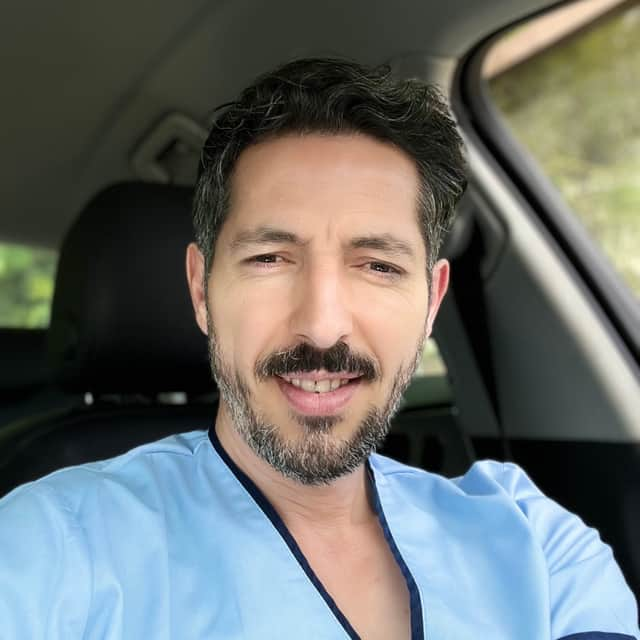
“People say I am very patient and very compassionate; I’m good with people so I couldn’t really choose anything else,” says the 46-year-old. “I saw that I could put a smile on those people’s faces which is extremely hard as they are extremely locked in. It takes time to even get them to see you, and that is what made me choose learning disability nursing.”
Last year, Sergiu suffered a family tragedy, and he says the university staff rallied round to check on him around the clock. “ENU were like a family to me, they were constantly phoning me to check how I was getting on and whether I needed help,” he adds. “And on the academic side they were a huge help. I just couldn’t focus, I would just burst into tears, but I never have up or stayed at home, I still did my work and my placements; they were a huge help.
“I’ve told them I will give back to them through my career. I like to set goals step by step and my next goal is to specialise in severe autism, then I will see what opens in front of me.”
Discover more
Edinburgh Napier University offers undergraduate degrees in all four specialisms of nursing: Adult, Child Health, Mental Health, and Learning Disabilities
Already have a degree?
You could complete the pre-registration Masters in Adult Nursing in just two years – and potentially qualify for a bursary while you train.
Celebrating 30 years of excellence, innovation and enterprise in Health and Social Care