
Can a Walk in the Woods Cut Antidepressant Use for Edinburgh Residents
“I look at people’s faces and see the tension disappear. They come to forest bathing like a piece of velvet that’s been rubbed the wrong way, like the nervous system is jangly, and leave feeling soothed.”
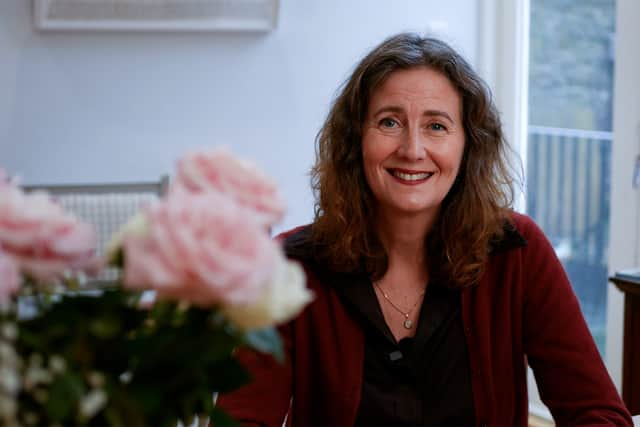

That’s Rebecca Bonnington, who runs Still Forest Bathing in Edinburgh. She noticed how much better she felt after spending time in nature and realised she wasn’t alone. Forest bathing is the ultimate low-tech antidote to modern life, something the Japanese have known since the early 1980s. They call it shinrin-yoku and say forest bathing “refers to the process of soaking up the sights, smells and sounds of a natural setting to promote physiological and psychological health.” All while fully clothed, it’s worth mentioning.
The science of the trees
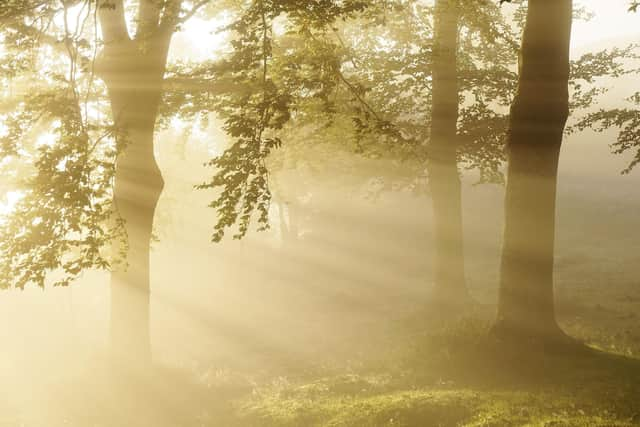
The scientific evidence for the benefits of forest bathing is well established. Rebecca felt them for herself when she noticed how much better she felt after time in nature.
With a history of working in a toxic corporate culture, she can identify with a lot of her clients’ stresses, but also their addiction to stress. She’s now an entrepreneur and makes a point of running her business holistically and with a genuine people-first approach.
Forest bathing has been shown to lower heart rate and blood pressure, and increase our ability to focus. It can accelerate recovery from surgery or illness, improve energy levels and sleep quality, boost immunity, improve blood sugar levels and reduce stress hormone production. By calming the nervous system, forest bathing can ease depression and anxiety, and is ideal for those going through life shifts like bereavement, loss, and redundancy. All without an app or pharmaceutical in sight, and completely side effect-free.
A recent study from Edinburgh and Glasgow Universities has added its weight to the evidence. Their 5-year study of 129,000 people, one of the largest analyses of its kind, found that “People living in deprived communities are less likely to use medication for depression and anxiety if they have easy access to well-maintained woodlands.” This is good news for everyone, and should help guide city planning.
Trees and plants emit volatile phytoncides, chemicals released into the air that benefit the plant by killing bacteria and fungi that might damage it. They also benefit humans who inhale them.
We get a lift because phytoncides increase our natural killer cell activity, which improves immunity. They’re also anti-inflammatory and reduce oxidative stress – the type of stress that leads to cell damage and plays a role in conditions like cancer, heart disease and Alzheimer’s Disease.
So, the trees’ natural aromatherapy can help reduce stress immediately, and our risk of disease in the longer term.
What you’ll notice
Rebecca says everything is sensory and we need to get out of our heads and into our bodies to get a mental pattern break – to stop us going at 90 mph through life without noticing what’s happening to us. “Often [a forest bathing experience] is the first time people have felt and been allowed to go with feelings. To stop rationalising and start connecting with their inner selves and hear their unconscious processes.”
So, when you’re ready to finish your bathe, notice how you feel. Where has the tension gone? How does your emotional-self feel?
It’s likely your breathing is deeper and more relaxed, the muscles in your jaw and shoulders feel softer, and in the calm of slowing down, you realise the world hasn’t ended without you.
If you don’t have access to woodland or are a wheelchair user, all these steps can be adapted for your own garden or local park. Take 30 minutes to a couple of hours and savour the experience. Rinse and repeat as needed.
Find Rebecca Bonnington at ForestBathingScotland.com, where she does one and two-hour bathes in the beautiful Hermitage, not far from Edinburgh city centre. There are paths for wheelchair users.