
New campaign urges children in Edinburgh to discover the everyday nature Wildly Close to them
NatureScot’s new Wildy Close campaign has officially launched. Aimed at children in Edinburgh aged 5 to 11 and their parents and carers, it supports outdoor activities, family time and children’s wellbeing.
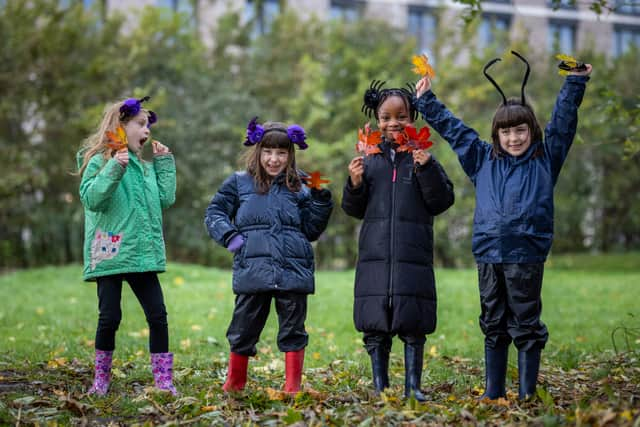

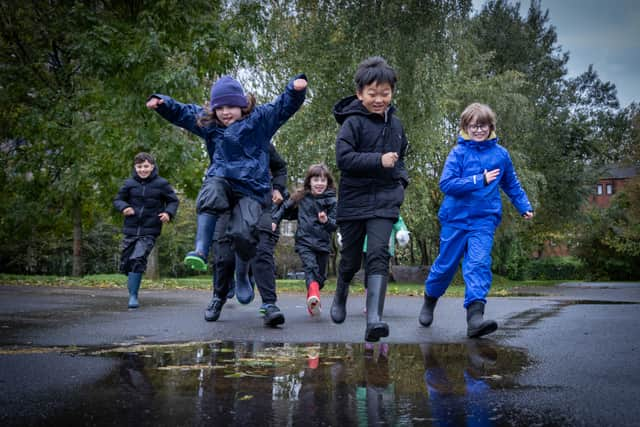
With screens competing for children’s attention, and many families without easy access to green space, the message is simple: you don’t need a garden, a car or a countryside day trip to find nature. It’s in the cracks in the pavement, under flowerpots, and in those wild, scruffy patches at the end of the street.
It aims to turn familiar places into mini wildlife adventures, helping families connect with nature and create moments that make children stop, look, wonder and care.
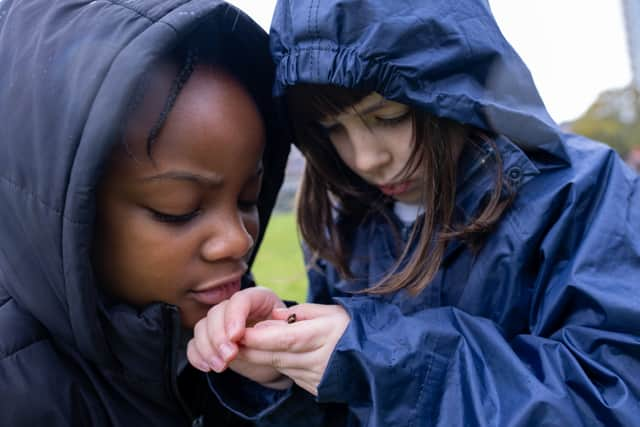
NatureScot’s Chief Executive Nick Halfhide added: "Children don't need a big garden or a trip to the countryside to connect with nature — it's just as much about the street tree outside school, the moss on a wall, or the sound of birdsong on the way home.
“Simple sensory activities, like feeling different textures, listening for natural sounds, or looking at a patch of grass through a magnifying glass, can turn an ordinary walk into a moment of real curiosity.
“It's that noticing, again and again, that helps children build a lasting connection with the world around them, wherever they live."
As part of the initiative, parents, carers and teachers will have free access to a seasonal Grubby Guide – packed full of mucky activities, curious creatures and other weirdly wonderful things to spot.
The Guide also introduces The Unlovelys – a cast of wonderfully weird wildlife characters designed by primary school pupils at St Margaret's, St. David’s and Fordbank in Johnstone, Renfrewshire, alongside children’s illustrator Tom Morgan-Jones.
They include Pip the Bat, a little chatterbox who uses his amazing hearing to find his way around in the dark, and Ida the Spider, an uneasy speedster who uses her eight legs to move quickly – but also easily takes fright and bolts at the slightest noise.
Tom said: “I hope these inky drawings excite children all across Scotland to go out and discover the critters for themselves.
“Look on your doorstep, by your bins or just around the corner - nothing beats stepping outside and exploring. You really don’t have to go far at all, just a nearby crack in concrete can be home to an amazing range of incredible wee beasties.
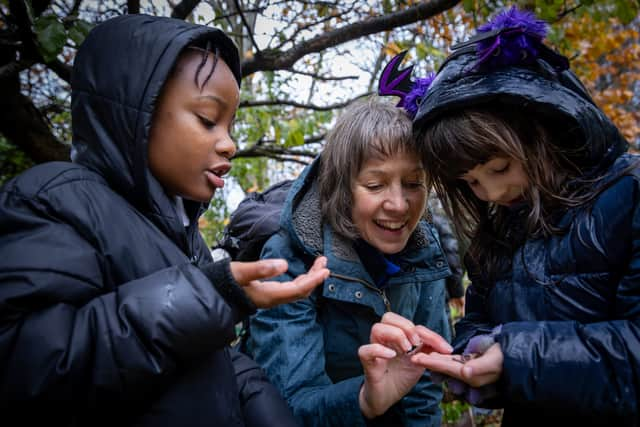
“The pupils that helped inspire the drawings were wildly creative and I loved working with them.”
Fun facts highlighted in the Guide include revealing that woodlice are cousins of crabs and lobsters rather than insects, slugs’ slime leaves secret messages for others to find and earwigs get their name because people used to believe they crawled into our ears to lay eggs – fortunately, not true!
The Wildly Close campaign has been developed alongside outdoor learning specialists and aims to improve children’s physical and mental wellbeing and encourage wider environmental benefits through a greater appreciation of nature. The campaign gives families an easy way to carry those benefits beyond the school gates and into their time at home.
The activity promoted through NatureScot’s Wildy Close campaign is free, it needs no special kit, and it's open to every family in Scotland, wherever they live.
To find out more visit: www.nature.scot/wildlyclose