
What Edinburgh’s new tourist tax means for local businesses
Edinburgh has become the first UK city to introduce a city-wide visitor levy, marking a significant change in how the capital funds the services and infrastructure that support its tourism economy.
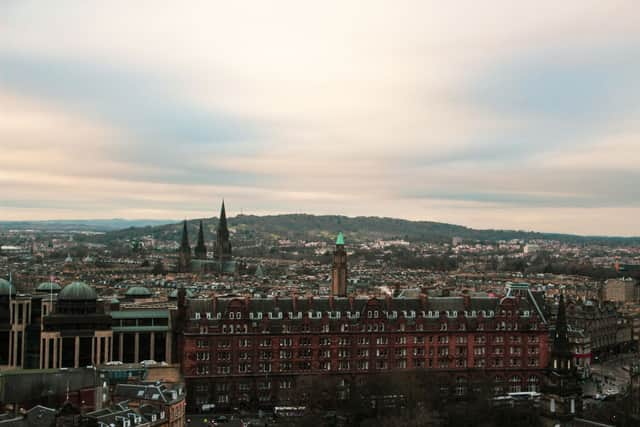

Since 24 July 2026, a 5% charge has applied to paid overnight accommodation across the City of Edinburgh Council area. The levy covers hotels, hostels, guest houses, bed and breakfasts, self-catering properties, short-term rentals and paid accommodation at campsites. It applies throughout the year but is limited to the first five consecutive nights of a stay.
Although accommodation providers are responsible for collecting the charge, its effects could be felt across Edinburgh’s wider business community.
Hotels and other accommodation businesses face the most immediate impact. Operators must calculate the levy, explain it to guests, collect the correct amount and submit regular returns through the national visitor levy system.
The charge is calculated using the accommodation portion of the booking rather than the full value of any package. This means providers offering meals, entertainment, transport or other services alongside a room may need systems capable of separating the accommodation cost from additional charges.
Businesses will also need to maintain accurate transaction records and ensure that their booking platforms, invoicing processes and accounting software are configured correctly. Providers are permitted to retain a small proportion of the levy they collect to help cover the administrative costs of complying with the scheme.
For larger hotel groups, updating booking systems and financial procedures may be relatively manageable. Independent guest houses, small hotels and short-term rental operators may find the additional administration more demanding, particularly during Edinburgh’s busiest tourism periods.
Front-of-house employees may also require training to answer questions from guests who do not understand why their final bill is higher than the advertised room price. Clear communication during the booking process will be important, especially for international visitors who may be unfamiliar with local tourist taxes.
The levy does not directly apply to restaurants, pubs, shops, attractions or entertainment venues. However, these businesses will be watching closely to see whether the additional accommodation cost changes how visitors spend their money.
A traveller facing a higher overall bill could choose a shorter stay, book cheaper accommodation or reduce spending elsewhere. Restaurants, bars, independent retailers, tour operators and cultural venues may be particularly sensitive to any reduction in visitors’ discretionary budgets.
Families and larger groups could feel the increase more than solo travellers because of the higher cost of booking multiple rooms. Some visitors may continue with their planned trip but reduce spending on meals, drinks, souvenirs or paid attractions to compensate.
There is also a possibility that price-conscious tourists will stay outside the council boundary and travel into Edinburgh during the day. This could benefit accommodation businesses in surrounding areas while reducing overnight spending within the city itself.
Nevertheless, Edinburgh remains one of the UK’s most internationally recognised destinations. Its festivals, historic attractions, cultural institutions and global reputation may mean many visitors accept the levy as a relatively small addition to the overall cost of their trip.
The potential benefits for local businesses will depend on how effectively the revenue is invested. The council expects the levy to generate tens of millions of pounds annually once it is fully established, with funding intended to support public spaces, cultural venues, visitor infrastructure and improvements to the appearance and accessibility of the city.
If these projects make Edinburgh cleaner, easier to navigate and more attractive, businesses could benefit from a stronger visitor experience. Well-maintained streets, improved public areas and better transport connections may encourage tourists to stay longer, return in the future and recommend the city to others.
Investment could also help distribute visitor spending more widely. Improvements to neighbourhoods outside the traditional tourism areas may encourage visitors to explore independent restaurants, shops and attractions beyond the Old Town, Princes Street and the Royal Mile.
Support for cultural venues and year-round events could also reduce the city’s dependence on the summer festival season. A steadier flow of visitors throughout the year would provide greater stability for hospitality employers and businesses affected by seasonal fluctuations.
The levy arrives at a time when many local operators are already managing higher wages, energy costs, supplier prices and business rates. Accommodation providers may therefore need to review their pricing, booking communications, staff training and financial reporting.
For overseas companies considering entering Edinburgh’s hospitality or tourism market, the levy will become another local requirement to assess alongside employment, taxation and regulatory obligations. Understanding the wider process of doing business in the United Kingdom can help international employers prepare for these responsibilities before establishing operations in the city.
The long-term impact will depend heavily on whether businesses and visitors can see clear evidence of where the money is being spent. Local operators are more likely to support the charge if it delivers visible improvements and generates additional economic activity rather than simply replacing existing council expenditure.
For Edinburgh’s business community, the tourist tax presents both a risk and an opportunity. It may increase administrative pressure and affect visitor spending, but carefully targeted investment could strengthen the city’s appeal, support local employment and create a more sustainable tourism economy.