
Why Edinburgh's historic cultural buildings need to be places we use, not just places we preserve
The most successful restorations rarely end at preservation. For those of us working with historic structures, the more difficult and ultimately more valuable challenge is to understand what makes a building significant, while considering how it can continue to serve the people who use it for decades to come.

This is particularly true of our historic theatres. They carry an enormous weight of memory and affection, but they are also working buildings, and the expectations placed upon them today are very different from those a century ago.
Since opening its doors in 1906, The King’s Theatre in Edinburgh has become one of the city’s most cherished public buildings and my own connection with it began long before I encountered it professionally. However, leading the engineering team involved in its recent restoration gave me the opportunity to view the landmark from an entirely new perspective.
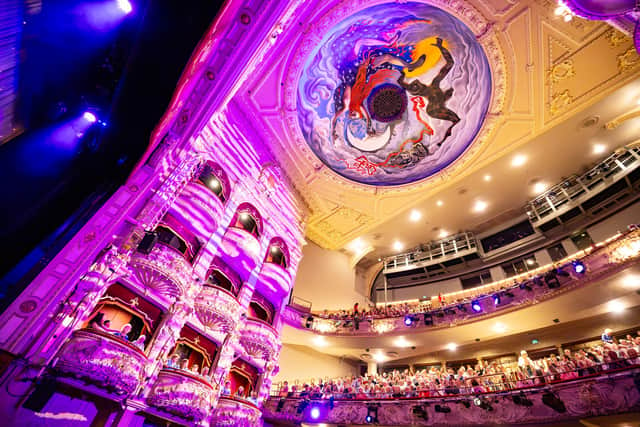
As a Grade A listed building with a long history embedded in its fabric, preservation was fundamental, but good conservation has never been about preventing change. Historic buildings have always evolved, and their continued relevance often depends upon our ability to accommodate that evolution sensitively.
That feels especially pertinent amid current wider conversations about the loss of ‘third spaces’, those places outside home and work where people can meet and participate in community life. Cultural venues have considerable potential here, especially when we can create reasons for people to visit and use them outside performance hours.
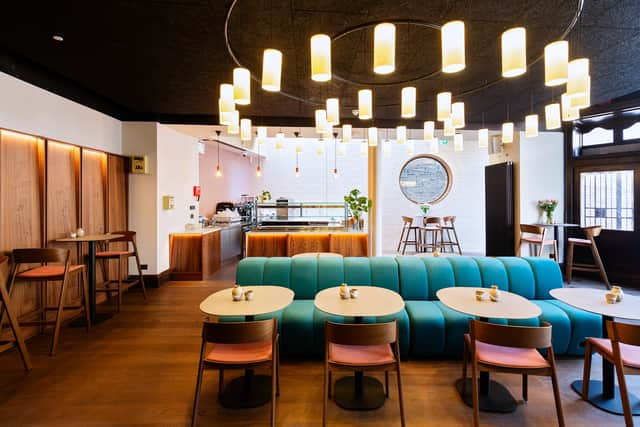
At The King’s, this thinking can be seen in the transformation of the former box office into an extended public café, the creation of a dedicated community space for schools and local groups and significant improvements to accessibility throughout the building.
The value of those interventions lie in what they make possible. In a historic building, even modest gains in usable space can require significant structural intervention, so the measure of success has to be more than additional square metres alone.
These new spaces created at The King’s allow the building to work differently. People can come in without attending a performance, schools and community groups can make use of facilities in their own right, and improved accessibility allows more people to experience the building as a whole.
None of this can be considered separately from its principal function as a theatre. The restoration also required substantial engineering work to meet the expectations of contemporary productions, including raising the fly tower by five metres to accommodate a new flying system and replacing the original stage with a new flat performance stage.
Working within a listed building inevitably involves compromise and careful judgement. There is seldom a blank sheet of paper. Existing structure, historic fabric, accessibility, modern building requirements and the ambitions of architects and clients all have to be understood together in order to make change work within the building rather than against it.
As we consider the future of Scotland’s historic cultural buildings, the question is not only what we preserve, but how sensitively we allow those buildings to evolve. If we can retain what makes them distinctive while making them more relevant to contemporary life, we can protect their past while securing their future.
Gill Ogilvie is Managing Director (Edinburgh) at Will Rudd.