
New Disney+ documentary revisits Peter Tobin case - but nearly 20 years on, why are we still so fascinated?
Disney+ has brought six of the UK’s most chilling crimes into the spotlight once again, including the Peter Tobin case
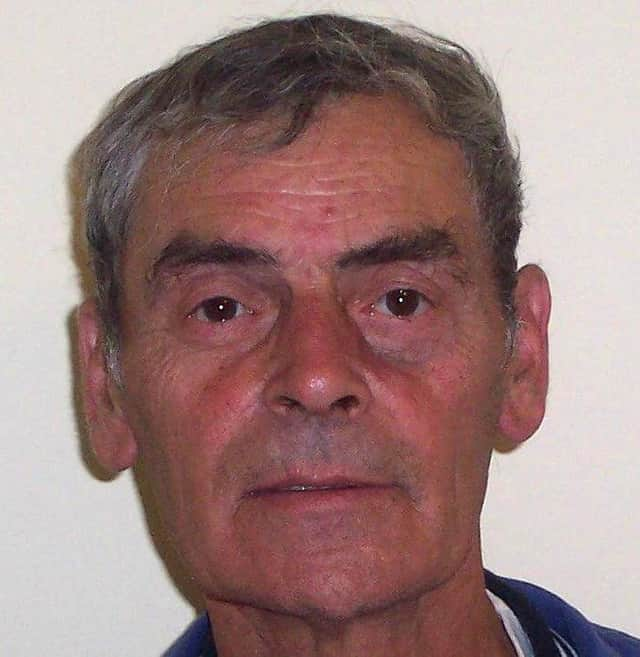
Nearly two decades after Peter Tobin’s heinous crimes shocked Scotland, the notorious serial killer’s story is once again being brought to people's TV screens across the world.
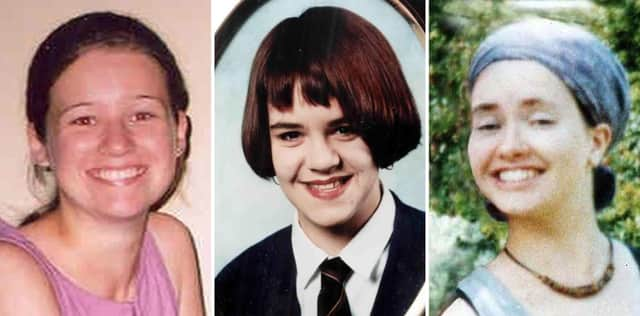
A new Disney+ docuseries titled ‘20/20: Britain's Most Notorious Crime Investigations’, revisits the case of Tobin in a 40-minute episode, who was convicted for the murders of three women - West Lothian teenager Vicky Hamilton, Angelika Kluk and Dinah McNicol.

The six-part series was released on Thursday, July 30 and has reopened the most chilling and high-profile cases in the UK as ABC News’ award winning programme 20/20 heads away from the states for the first time.
Among the stories that have been revisited is the disappearance of Bathgate teenager Vicky Hamilton, who went missing on February 10, 1991, at the age of 15.
Her remains were eventually found buried in a garden of a former home that belonged to Tobin, in Margate, in November 2007.
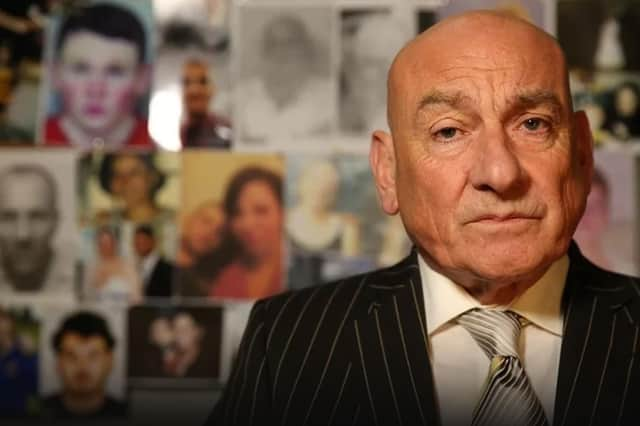
Former Detective Superintendent for Strathclyde Police, David Swindle, who led the investigation into Tobin as part of Operation Anagram, believes there is an important reason as to why it should continue to be told.
He said: “We should never glamourise the killers and we should never forget about what horrible action they have done.”
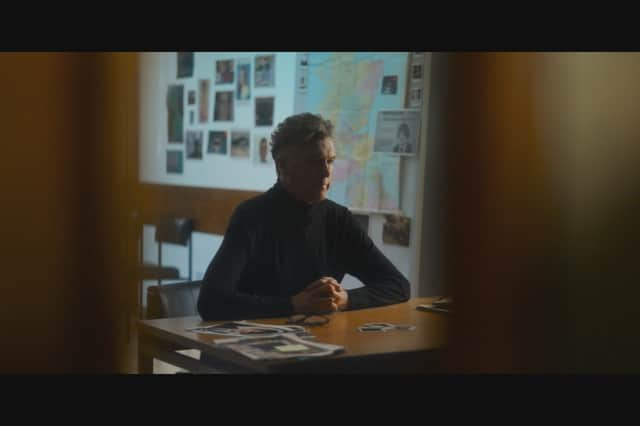
Former Strathclyde Police detective Graham MacKeller, who worked alongside Mr Swindle, also features in the documentary.
Mr Swindle revealed he had travelled to London during four days of Disney’s filming, where he features prominently in the documentary as he explains the investigation thoroughly. He said the production team had gone to great lengths to speak to the families of those who were affected by Tobin’s crimes - something he says is vital when telling stories of real-life murder.
He added: “For me, I've been involved in a lot of these TV programmes, I always make an effort to give an interview as a contributor.
“It’s victim focussed.”
This approach is particularly important when it comes to Tobin, whose crimes have continued to capture public attention almost two decades after his arrest.
He believes there is still a disturbing question surrounding the killer that remains unanswered and that is whether he may have claimed more victims than the reported three.
“Peter Tobin is a killer, he's killed other people, we know that,” he said.
“But we don't know who else is killed, and that is the big, big issue with something like him.”
Tobin died in prison in October 2022 ‘taking his secrets to the grave’. Mr Swindle said that while there has been a lot of speculation about other murders, the police need to deal in actual evidence and as it stands there is no evidence of any other cases.
“We don't know what else”, he said. “You know, you get a lot of speculation out there, but the police need to deal in evidence and there's no evidence about other cases.”
The unanswered questions surrounding Tobin have undoubtedly helped fuel the public’s fascination around his crimes but this fascination exists in a very different world to the one David Swindle actively worked in.
As you can imagine, in the early 2000’s social media did not function the way it does today. Nowadays, true crime documentaries can be accompanied by online discussions on platforms like Reddit and TikTok, podcasts, social media theories and superficial investigations being conducted in a matter of hours of it being released.
He said: “When I was running Operation Anagram, we didn't have social media.
“Nowadays, there's definitely more of an inquisitive nature. People are researching more. They're online. They're looking at stuff, they're trying to find out.”
However he added that the so-called “armchair detectives” can actually create a lot of problems for live investigations and cause harm to victims and families.
“You get unscrupulous channels, podcasts and things like that and that is where it becomes outrageous, as far as I'm concerned, it can be reckless.”
Mr Swindle also believes that there is a clear distinction between documentaries that use its content to educate and those who turn serial killers into celebrities: “A big danger with the word true crime is sometimes it can be over glamorized.
“And you can watch some of these programmes and you would say, who are the actual victims in that?”
Although he commends Disney, as this is not the case with the latest documentary.
For Mr Swindle, Operation Anagram remains a defining moment in his career and life and reminds us that the fascination should never lay with the killer - but instead should always be about remembering the victims.