
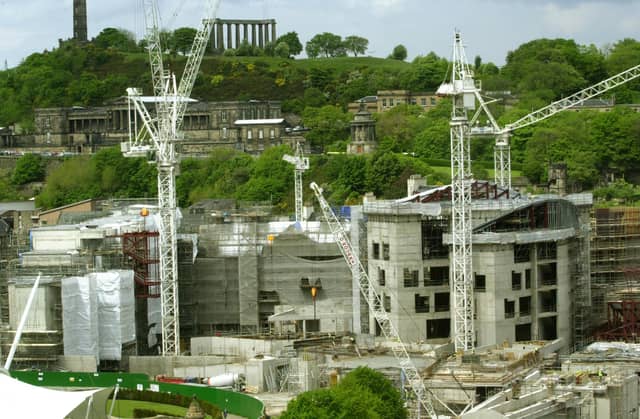

This week marks 20 years since the official opening of the Scottish Parliament building at Holyrood.
It was controversial from the very start. The home originally earmarked for the new legislature - at the old Royal High School - was vetoed; public debate over the location of a new building focused on rival proposals for Leith or Calton Hill, but then Holyrood emerged as the favoured site at the last minute; a competition to choose an architect for the project was won by Catalan Enric Miralles; but when the project began it as still not clear what space and accommodation the parliament would really need, so the requirements kept changing.
The first estimate of the cost of a new building - before either the site or a design had been agreed - was between £10m and £40m. And it was going to be ready by 2001.
The final cost ended up at £414m and the building was officially opened by the Queen on October 9, 2004, with hundreds of workers on site until the day before, putting finishing touches to the project.
Here’s a look back at how the building, now such a familiar sight, came into being.
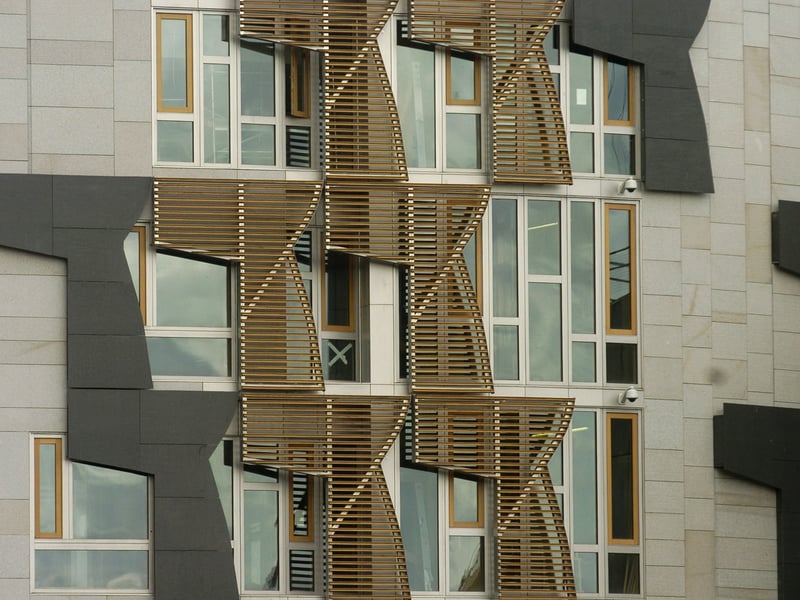
17. What do these odd shapes represent?
The unusually shaped panels used on the walls of the parliament sparked much speculation. What were they meant to be? A hairdryer? A gun? A Scalextric controller? A wash hand basin? A curtain at the window? Perhaps even a clenched fist? They're known officially as trigger panels. But the late Scottish Government chief architect John Gibbons, who worked closely with Enric Miralles, insisted there was no symbolism involved. "He designed it as an abstract shape - I know for absolute certainty they are a geographic pattern. Part of the intrigue Enric enjoyed developing was getting people thinking and guessing." | TSPL Photo: Cate Gillon
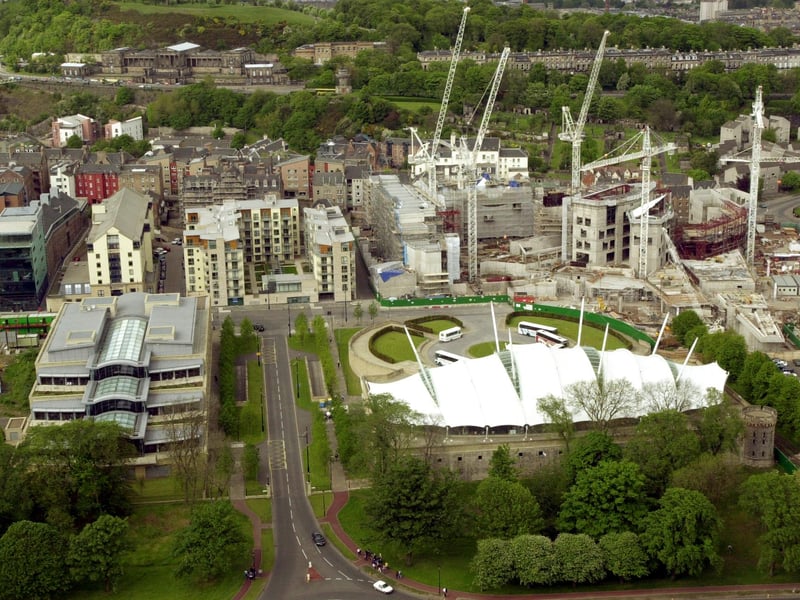
18. Costs continue to climb
As work on the parliament continued the cost kept on climbing. In June 2001, MSPs voted to lift the £195m cap; by November 2001, the cost was put at £241m; in March 2002, it rose to £266m; and by October 2002, it was £295m. | TSPL
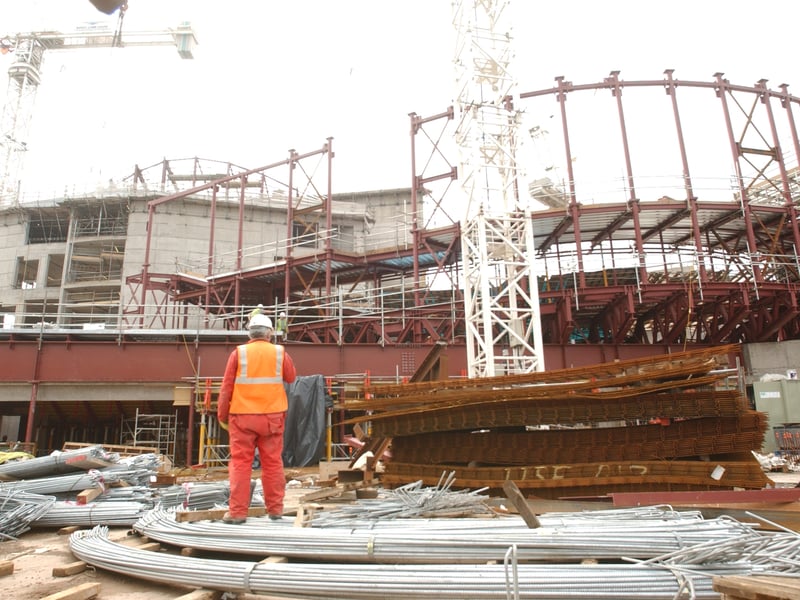
19. Security measures added to cost
Security and the need to guard against potential terrorist attacks was taken into account in planning the building, but the cost and time implications of such measures were under-estimated and it has been suggested these could have added as much as £100m to the bill. | TSPL Photo: Phil Wilkinson
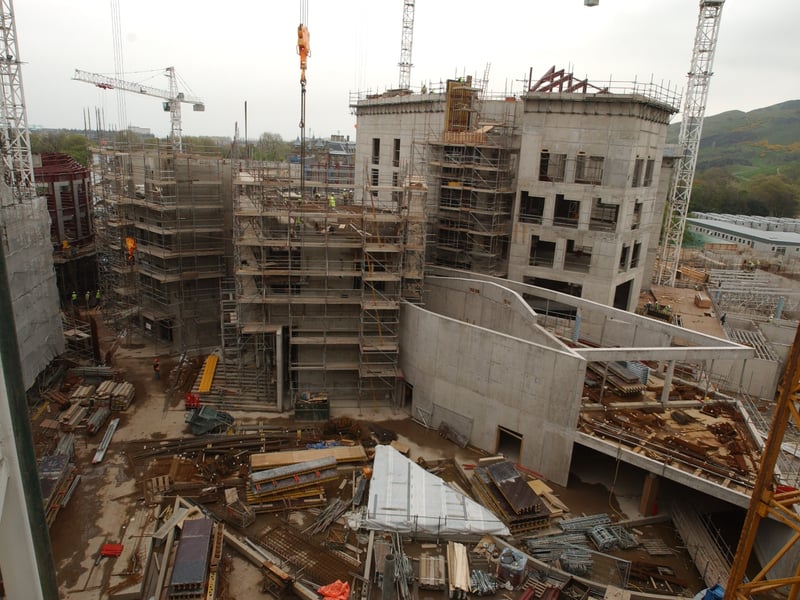
20. Costs just keep on rising
By January 2003, the estimated final cost of the project had reached £324m, but by June it was up again to £376m and in September it had risen yet again to £401m. | TSPL Photo: Phil Wilkinson