
Residents warn Edinburgh’s UNESCO status risks being 'undermined' if over-tourism concerns ignored

Residents and campaigners are urging action to protect the city's liveability.
Edinburgh residents want the Capital to remain somewhere people “live and work and not just a holiday destination”.
These are the claims in Edinburgh World Heritage’s ten-year World Heritage Site Management Plan, which included a public consultation.
But campaigners say the 182-page management report – which was written in partnership with City of Edinburgh Council and Historic Environment Scotland – contains a “host of contradictions and weaknesses”.
Findings from the report have re-ignited fears that a 544-bed hostel at Atholl Crescent in the New Town will put the city’s UNESCO World Heritage status at risk while concerns about over-tourism are ignored.
The plans drew 280 objections from local residents and heritage organisations – such as the Cockburn Association and Architectural Heritage Society of Scotland, as well as the opposition of all four councillors for City Centre ward.
Conservation architect Philip Flockhart, who is leading the campaign to oppose the Atholl Crescent hostel, said the consultation highlights local concerns that residential life is “being eroded” by short-term development and over-tourism.
Mr Flockhart added: “Despite the documented concerns of citizens, the Plan insists that tourism is a core strategic priority for the city. There is a fundamental problem here. Public money has been spent on research into what citizens want for the future of the city, then that research appears to be ignored.
“The Plan recognises that people want Edinburgh to be protected as a place to live and work. Yet an effective Action Plan that may deliver that outcome is long delayed. This is not what residents have asked for and it raises serious questions about accountability and purpose in relation to publicly-funded research.”
It is underpinned by the findings of extensive public consultation, which repeatedly showed city centre residents are concerned about the impact of over-tourism – including the loss of housing to Airbnbs, hotels and student housing.
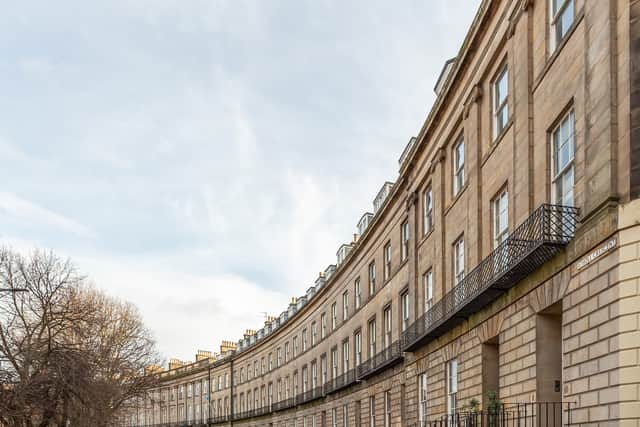

The consultation also revealed major fears about the impact of tourism on infrastructure, with residents feeling ignored or pushed out of the city centre to facilitate tourism, spurring demands for clear limits on tourist numbers.
Recent international commentary has reinforced those concerns. UNESCO has warned that overtourism can displace residents, erode local character and make everyday life increasingly difficult in historic cities.
Mr Flockhart added: “The evidence shows clearly that residents across the World Heritage Site are deeply concerned about the cumulative impact of tourism, particularly the loss of homes and the hollowing out of communities.
“Those concerns have been recognised in policy documents, but recognition is not enough. We now need to see clear, measurable action from all the organisations responsible for managing the site.”
“Tourism is vital to Edinburgh, but the World Heritage designation is rooted in the city being a place where people live and work. If that balance is lost, the qualities that make Edinburgh special are put at risk.”
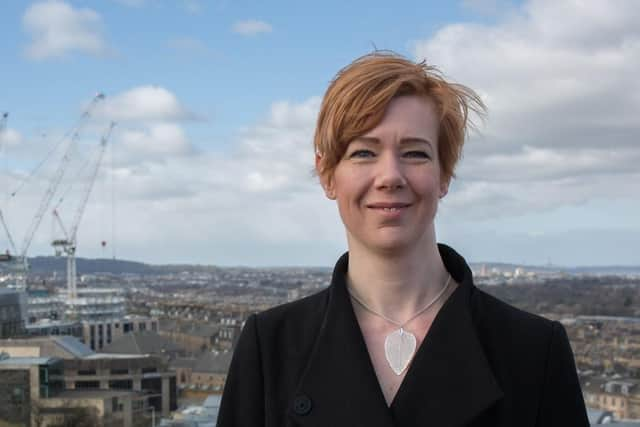
The concerns have found backing from councillors across the political spectrum. Green Councillor Claire Miller and Conservative Councillor Jo Mowat – who represent the ward – both echoed residents' concerns.
Cllr Miller said: “Edinburgh’s World Heritage status depends on it being a living city, not just a destination. Residents are telling us clearly that the balance is shifting too far, particularly in terms of housing and quality of life. We need to take that seriously.
“Developments of this scale raise important questions about what kind of city we want to be, and whether we are doing enough to ensure that local communities remain at its heart.”
Cllr Mowat said the case “highlights the wider challenge we face in balancing a successful visitor economy with protecting Edinburgh as a place where people can live and thrive.”
She added: “We have heard consistently from residents about concerns over the loss of housing and the cumulative impact of large-scale developments in the city centre. Those concerns need to be properly reflected in decision-making.
“It is essential that policies designed to safeguard the World Heritage Site are applied in a way that genuinely protects communities, not just in principle but in practice.”
Campaigners are now calling on councillors and decision-makers to ensure that the outcome of the Atholl Crescent case reflects both the evidence gathered through public consultation and the long-term objectives of preserving Edinburgh as a living, sustainable World Heritage city.
A decision from the Scottish Government’s Planning and Environmental Appeals Division (DPEA) on the Atholl Crescent plans was expected by late June – however, it remains outstanding.
DPEA, Historic Environment Scotland and Edinburgh World Heritage have been approached for comment.