
Edinburgh named on travel ‘No List’ alongside Bali amid overtourism concerns

A trusted travel provider has put Edinburgh on its overtourism list for the first time, urging visitors to explore other ‘less saturated’ cities
Edinburgh has been named as one of eight travel destinations to avoid visiting next year due to increasing concerns about overtourism and the new visitor levy.
Travel provider Fodor’s, which produces English-language travel guides, produces a ‘No List’ every year listing the destinations where factors like crowds, construction and holiday rentals are “taking a toll” on the people who live there.
“That might mean an ecosystem pushed to its limits, a housing market locals can no longer afford, or a historic neighbourhood that’s starting to look more like a souvenir shop with a few residents sprinkled in,” said the Fodor’s experts.
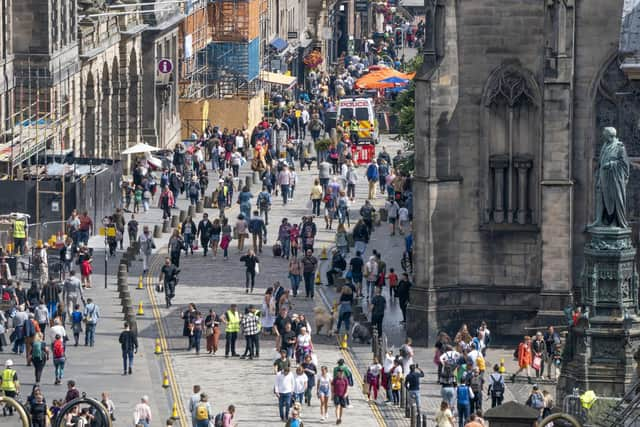

Edinburgh has made the “reconsider” list for the first time, alongside popular travel spots like the Amalfi Coast, Bali and Kyoto.
In recent years, there has been significant opposition among residents to overtourism and the rapid proliferation of short-term rentals in the Scottish capital.
Edinburgh has been a designated short-term let control area since September 2022, meaning that using an entire property that is not a principal residence qualifies as a material change of use requiring planning permission.
But recent data obtained by Scottish Green councillor Chas Booth found that 70 per cent of licenced short-term lets in the city do not have planning consent.
Edinburgh council has also introduced a controversial visitor levy, which adds a 5 per cent charge to overnight for tourists and anyone else staying in paid accommodation such as hotels, short-term lets and campsites in the city.
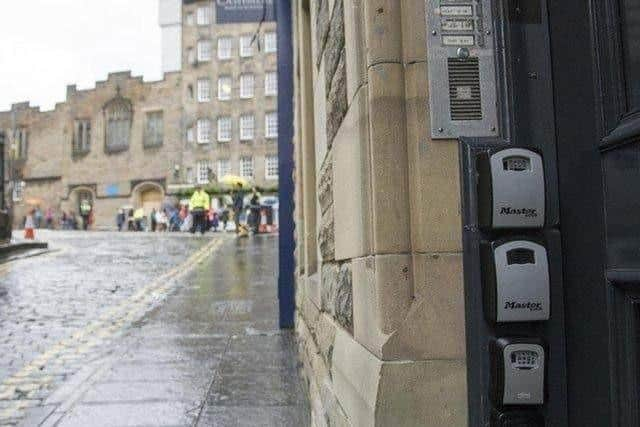
As well as the debate around short-term lets, Fodor’s said the cost of accommodation had also become a major barrier to people visiting.
Experts referenced a Post Office Travel Money study which found Edinburgh to be the third most expensive city break option in Europe, ranking just behind the notoriously expensive Scandinavian cities of Copenhagen and Oslo.
Meanwhile, a 2025 report for Edinburgh council by AR Hospitality Consulting found that three quarters of the city’s hotel rooms are classified as ‘upper midscale’ or above.
The experts said: “The overtourism debate in Edinburgh, Scotland’s capital, canters around the concentration of visitors in the Old Town, seasonal intensity from major events, short-term holiday rentals, and pressure on public infrastructure.
“While tourism does bring visible economic benefits to Edinburgh, this does not invalidate the experiences of its residents who feel that their community has changed beyond recognition, lamenting in forums about unaffordability and housing shortages.
“For those who have already seen the castle, walked the Royal Mile, and experienced the festivals, there is a case for exploring somewhere less saturated until a balance is restored.”