
Edinburgh's Heriot-Watt University lecturers balloting on strike action over plans for course cuts and job losses
Lecturers at Edinburgh’s Heriot-Watt University are voting on possible strike action in protest at plans to cut courses and programmes with the loss of more than 50 jobs.
The University and College Union (UCU) said Heriot-Watt’s principal had refused to rule out compulsory redundancies.
Union members are being asked whether they are prepared to to take strike action and also whether they are prepared to take other action, which could include working to contract, refusing to cover for absent colleagues or undertake voluntary activities, and marking and assessment boycotts.
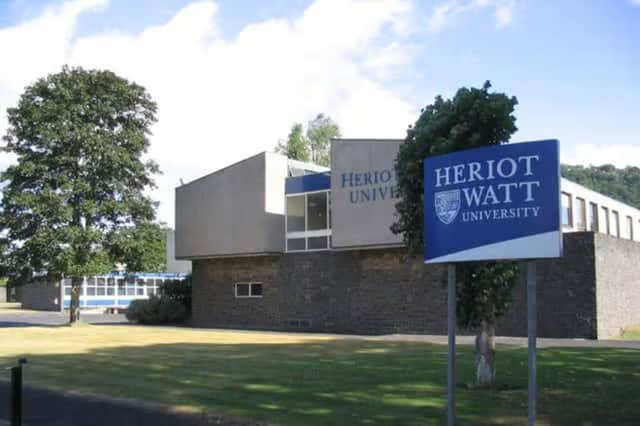

The ballot opened today, Monday January 5, and will run until February 16.
The dispute at Heriot-Watt results from the university’s “right-sizing” exercise where senior managers are looking to cut courses and programmes, involving the loss of at least 41 jobs in Scotland and 10 in Malaysia.
The UCU said the university’s senior management team was refusing to rule out the use of compulsory redundancies despite repeated requests from the union.
And it said: “The university principal, who is due to leave in Autumn 2026, having cut jobs and the university’s educational offer, is also putting in doubt the university’s 25-year commitment to the successful Scholar programme – a leading online learning platform used in schools throughout Scotland in key subjects including maths, sciences, English and modern languages.”
UCU members at three other Scottish universities - Aberdeen, Stirling and Strathclyde - are also being balloted on potential strike action in three separate disputes over proposed budget cuts and job losses. In each case, the universities have failed to rule out compulsory redundancies.
The threats of industrial action comes after recent walkouts over similar disputes at Edinburgh, Dundee and the University of the Highlands and Islands.
Edinburgh University UCU members voted to suspend strike action following a number of concessions from the university, including a commitment of no compulsory redundancies during the current academic year.
Jo Grady , UCU general secretary, said: "We're just days into the New Year and once again universities across Scotland are facing the possibility of industrial action, with members being forced to vote for strike action to defend jobs and force university principals to rule out compulsory redundancies.
"With a record number of jobs being cut across Scottish universities, the principals at Stirling and Heriot-Watt and those at Strathclyde and Aberdeen need to listen to their staff and commit to ruling out compulsory redundancies before these disputes escalate into strikes with resulting disruption to students."
A spokesperson for Heriot-Watt University said: "While the university is disappointed to note this development, particularly as the UCU has taken this action prior to the conclusion of our formal consultations, we remain committed to constructive dialogue and collaboration over the issues identified.
"We are actively engaging with the UCU and our other recognised unions through the scheduled Combined Joint Negotiation and Consultation Committee (CJNCC) and collective consultation meetings.
"In addition, our paid leaver scheme has already attracted significant interest from colleagues and will play a meaningful role in reducing any potential need for compulsory redundancies. This positive response shows that staff are engaging with the options available and taking proactive steps to shape their future.
"Our focus remains on reaching a fair and sustainable resolution that works for all parties and avoids the damaging disruption caused by industrial action."
A Scottish Government spokesperson said: "The Scottish Government recognises the vital role universities play in our economy and wider society, which is why we are investing £1.1 billion in the sector this year alone.
"Ministers are aware of the broad range of pressures facing Scotland's universities. This includes the UK Government's immigration policies, which are having an adverse impact on international student numbers.
"Additionally, universities are facing extra costs of £48 million due to the UK Government's decision to increase employers' national insurance contributions.
"While universities are autonomous institutions with responsibility for their own staffing and operational matters, we expect them to engage constructively with trade unions to seek resolution to local disputes, in line with Fair Work principles.
"Compulsory redundancies should only be considered as a last resort, after all other cost-saving measures have been fully explored."