
Edinburgh's tourist tax: Everything you need to know about the Capital's new Visitor Levy
Visitor Levy expected to raise almost £50m a year by 2028/29
Edinburgh is the first council in the UK to introduce a tourist tax.
From July 24, visitors have to pay an extra charge for their overnight stay. So how does the new Visitor Levy work and what difference will it make? Here are some of the key questions answered.

Why is there a tourist tax?
Edinburgh council campaigned for years for the power to introduce a levy on visitors because the large number of tourists who come to the Capital inevitably means extra expenditure – keeping the streets clean, emptying litter bins, making sure the city remains attractive, providing good transport links, maintaining the roads and so on.
The Visitor Levy (Scotland) Act became law in September 2024, allowing councils in Scotland to introduce a tax on paid overnight accommodation.
After extensive consultation, Edinburgh council agreed in January 2025 to use the new powers and introduce a visitor levy - the first to do so.
Has it started now?
The levy came into effect on Friday, July 24, two weeks before the start of the Edinburgh International Festival and the Festival Fringe on August 7. Since October 1, 2025, people booking accommodation in advance for that date or afterwards have had the levy added to their bill.
How much is it?
The levy will be 5 per cent of the cost of overnight accommodation - it does not apply to food or any other costs incurred during a stay.
The levy is payable for a maximum of five consecutive nights and will apply at the same level, all year round, across the entire City of Edinburgh Council boundary area.
Originally, Edinburgh had planned a flat-rate charge of £2 per person per night. However the legislation required the levy to be a percentage of the cost of overnight accommodation rather than a uniform amount. That was later amended to allow councils to opt for a flat rate, which some tourism businesses say is easier to administer. But Edinburgh decided to stick with the 5 per cent it had agreed on, seeing it as a fairer approach.
What kind of accommodation is affected by the levy?
The levy applies to all paid overnight accommodation, including those with an annual turnover below the applicable VAT threshold.
So it includes hotels, hostels, guest houses, bed and breakfast accommodation, self-catering accommodation including short-term lets, all paid accommodation on caravan sites and campsites, including temporary tent and campervan pitches, and accommodation in a vehicle or on board a vessel which is permanently or predominantly situated in one place.

Does it apply to everyone?
Although it is often referred to as a tourist tax, the levy applies to anyone staying in paid overnight accommodation which is not their usual place of residence, whether they are there on holiday, for work or for any other reason - and whether they come from abroad, other parts of the UK, from elsewhere in Scotland or even from Edinburgh.
Are there any exemptions?
Some exemptions are laid down in the legislation, so anyone who receives certain benefits - Disability Living Allowance, Disability Assistance, Attendance Allowance, Pension Age Disability Benefit or Personal Independence Payment - does not need to pay the levy. And anyone who does not have a permanent or safe home - for example homeless people or someone fleeing domestic abuse - are also exempt.
Won't it put people off coming to Edinburgh?
In 2018, an open letter from organisations including Radisson Hotels, Best Western Hotels, UK Hospitality, the Scottish Licensed Trade Association and the Scottish Bed and Breakfast Association warned any tourist tax would "inevitably lead to fewer visitors and lower spending, affecting jobs and investment". They claimed a tourist tax could cost the city's economy £45m.
But supporters of the levy point out that, although Edinburgh is the first council in the UK to introduce a visitor levy, similar charges apply in many European countries and people are now used to paying a bit extra on their bills. Edinburgh council says it is confident the levy will not deter people from coming here or damage the city's tourism industry.
How much money will it bring in?
The levy is expected to raise close to £50 million a year by 2028/29, which council leader Jane Meagher described as "the single biggest injection of new funding this side of the millennium".
Two per cent of the collected funds will be reimbursed to accommodation providers, to off-set the administrative cost incurred from collecting the levy.
The legislation says that funds raised by the visitor levy must be reinvested in local facilities and services substantially used by business and leisure visitors.
So what will the money be used for?
A sum of £5 million a year will be set aside for housing in view of Edinburgh's housing emergency. The money will be used to borrow a larger sum, around £70m, which will be invested in the new homes. Between 2026/27 and 2028/29, it is due to mean 472 new affordable homes.
The bulk of the money will be split three ways, with 55 per cent going to city operations and infrastructure, from street cleaning and improved lighting to sett replacement and pedestrianisation; 35 per cent for the local arts and culture sector; and 10 per cent to fund tourism marketing for the city.
Visitor Levy money will be used to pay for more litter bins, new public toilets, increased graffiti removal and improved street cleaning.
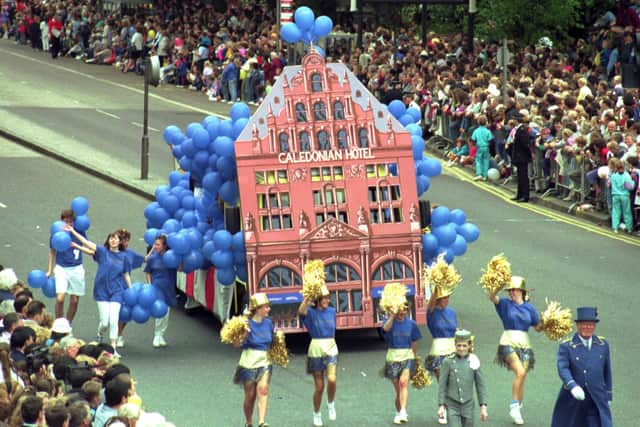
There will be contributions to the refurbishment of Leith Theatre and the conversion of the Old Royal High School into a National Centre for Music, a programme of free events at the Ross bandstand in Princes Street Gardens and potentially the revival of the Festival Cavalcade.
Money has also been earmarked for Cramond foreshore and Portobello Prom. And a new city centre policing unit has already been launched with part funding from the levy.
Are other councils following suit?
The legislation leaves it entirely up to councils to decide whether they wish to bring in a tourist tax, but they must consult widely before doing so. Several other councils have already agreed to introduce a levy and others are planning to do so.
From January 2027, visitors to Glasgow will pay a 5 per cent levy on the full length of their stay.
Aberdeen is due to introduce a 7 per cent levy from April 2027 on the full length of a stay.
Stirling is set to bring in a 3 per cent levy from June 2027, with visitors able to claim a refund for any levy beyond the first seven nights.
West Dunbartonshire council will introduce a 5 per cent levy on the full length of a stay, from July 2027.
East Lothian is currently consulting on a 5 per cent Visitor Levy.
And Argyll & Bute is about to consult on a flat rate levy of £5 per room per night.