
New exhibition looks at how advent of rail travel boosted holidays, hotels and tourism in Edinburgh
The advent of the railway in the mid-1800s opened a new world of travel for a huge section of the population and meant a major boost for holidays, hotels and tourism.
Now a new exhibition at the National Records of Scotland (NRS) in Edinburgh marks 200 years of rail travel.
"Scots on the Move: Railways and Tourism in Victorian Scotland" is free to visit in the Adam Dome at General Register House on Princes Street.
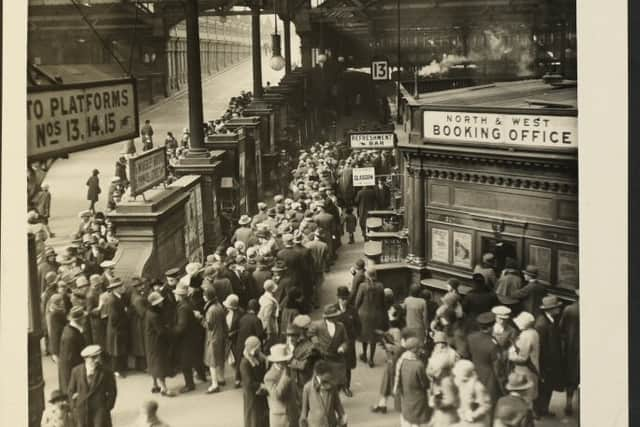

The exhibition - part of the Festival Fringe - looks at how steam trains revolutionised Scotland between 1837 and 1901.
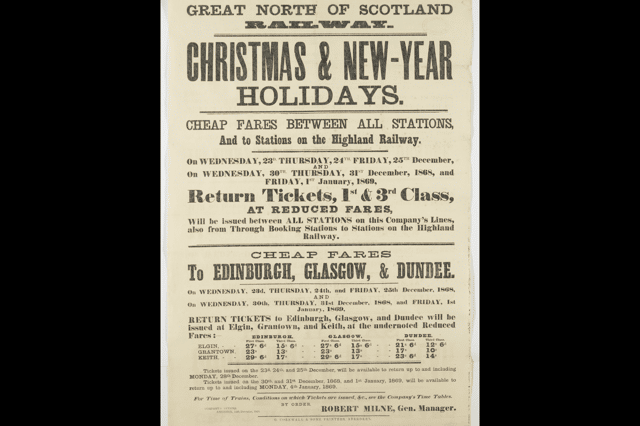
Items on display include old photos of Waverley station, as well as train tickets, timetables, posters, colourful tourist guides and private letters.
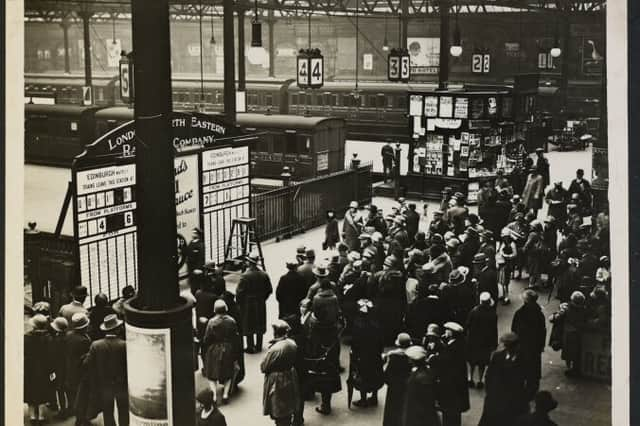
Outreach archivist Veronica Schreuder said: "This exhibition draws on National Records of Scotland’s vast Scottish railway archive – the largest in existence.
“These unique records transport visitors directly into the Victorian era, revealing how steam trains didn't just change how people travelled – they transformed Scottish society itself.
"For us in the modern world, it's probably quite difficult to imagine how limited movement around the country was before the railway. People tended to stay where they were born or where they worked - it was too time-consuming, too expensive or in some cases too dangerous to travel far.
"The railways completely opened that up. If workers had a half day they could maybe go to the seaside - so, in Edinburgh, to Portobello - and wealthier people might go to the Highlands for time on an estate.
"The railway gave them the opportunity to see other places and reconnect with friends and family they didn't see very often."
She said Edinburgh and other cities benefited economically from the arrival of the new industry of tourism.
"There would be large influxes of people coming to see the modern Athens of the North, take in the typical tourist sites that people still want to see today, eat here, sleep in hotels and buy goods to take away with them."
She said in 1849, about 1,500 people had made the journey from Duns to Edinburgh. "These were mainly merchants and farmers who couldn't escape the novelty of the railway. They had to come to Edinburgh because they suddenly had the opportunity to travel.”
Youth groups took the chance to go on organised excursions to the seaside or to nearby towns or cities.
And golf proved a big draw for train travellers too, she said. "The Braid Hills opened towards the end of the 19th century. And thousands of people were flocking that first summer to play the course."
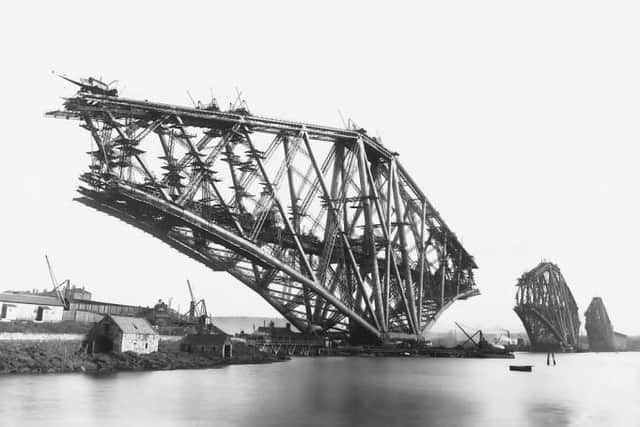
The railway also gave Edinburgh some of today’s most familiar landmarks.
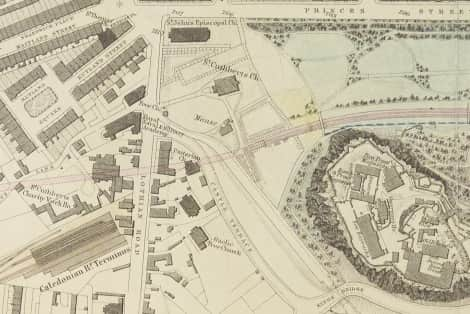
The site which is now Waverley station was at first occupied by three different stations, which were brought together to form Waverley in around 1854.
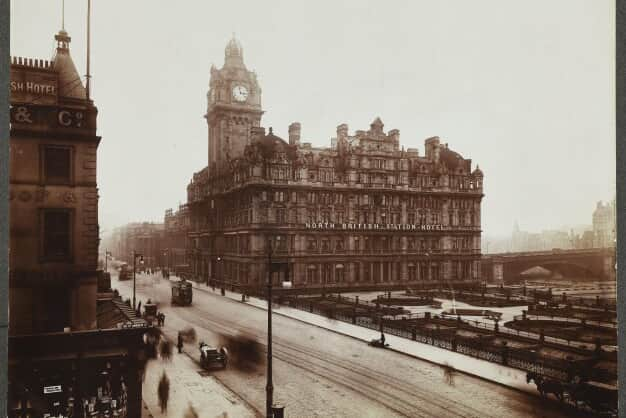
The iconic Forth Bridge opened in 1890. And Edinburgh's big station hotels - the North British (now the Balmoral) and the Caledonian - came along in 1902 and 1903.
But there was originally resistance in some quarters to the whole idea of the railway. Ms Schreuder said: "Railway mania took hold in the 1840s, but somepeople were concerned about hat they saw as the desecration of the countryside.
“They argued once you start ploughing through fields and hills there's no going back. Part of the character of Scotland was its natrual beauty and did we want to ruin that for the sake of efficient travel?
“And there was also concern about safety - trains were seen as loud, dirty, quite frightening machines.
“Edinburgh and the cities were the first to benefit from the railway. Oban didn't get the railway until 1880 because people had genuine concerns about what railways might bring. It wasn't until the majority were saying it was a positive thing that it really did start to expand fully across the country."
The exhibition runs weekdays 9:00-16:00 until 26 September in the Adam Dome, with late opening until 18:30 on 7 and 21 August. Entry is free and the exhibition is suitable for ages 12+.
Ms Schreuder said: “I hope visitors will come and visit us in the Adam Dome, a magnificent architectural gem and one of Edinburgh’s best kept secrets, just across from Waverley station.”